How to build a lower-impact wardrobe from the basics up
The greenest basics are the ones you wear to death. Buy fewer, better tees, bras, socks, and pyjamas, and the savings show up in both your closet and the planet.

The most sustainable thing in your drawer is not the newest thing. It is the tee that keeps its shape, the bra that does not cave in after a season, the socks that survive the wash cycle, and the pyjamas you reach for so often you can practically feel the cotton softening on your skin. Basics are the repeat offenders of a wardrobe, which makes them the highest-leverage place to cut waste, cut churn, and stop buying the same item over and over.
Why basics are the real battleground
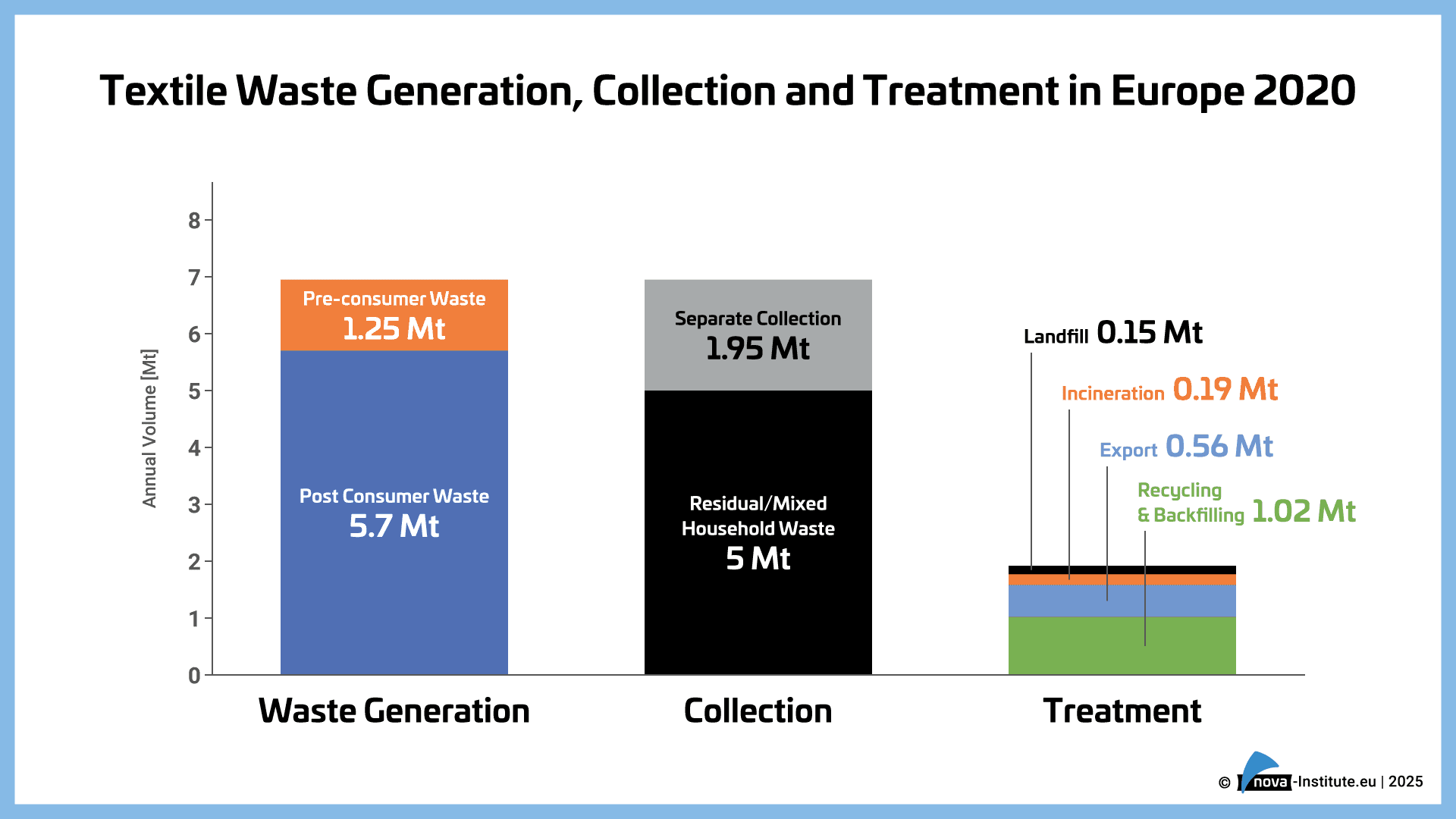
Fashion’s footprint is not small background noise. The textile and fashion sector is responsible for 2 to 8 per cent of global greenhouse-gas emissions, uses 86 million Olympic-sized swimming pools’ worth of water each year, and carries a serious chemical burden. The bigger problem is how fast we cycle through clothes: the average person now buys 60 per cent more clothing than in 2000, and the number of new garments made in 2000, about 50 billion, doubled nearly 20 years later. When clothing is barely worn, donated, recycled, or sent to landfill, the World Bank cites an estimated USD 500 billion in value lost every year.
That is why the foundation pieces matter so much. Underwear, bras, socks, stockings, pyjamas, and t-shirts are not occasional purchases. They are the items that get washed hard, worn often, and replaced when elastic gives out or fabric thins. If you want a lower-impact wardrobe, start where the turnover is highest and the quality gap is easiest to feel.
Start with the items you touch every day
The first move is not to buy more. It is to buy the right kind of basic and then keep it in rotation for longer. A good tee should hold its neckline, a good bra should keep its shape, and socks should not turn limp after a few cycles in the machine. When a basic fails fast, you pay twice, once at checkout and again when you replace it.
Think in cost-per-wear, not just sticker price. A slightly pricier pair of pyjamas that lasts through repeated washes can beat a bargain set that pills, twists, or shrinks. The same logic applies to bras and underwear, where fit, recovery, and construction matter more than a flash sale ever will.
How to shop basics like you plan to keep them
Fabric is where the decision starts. Look for materials and construction that feel substantial in hand, not flimsy or over-processed. Tight, even knit; clean seams; resilient elastic; and fabric that does not go sheer at the first stretch are all signs you are buying time, not just product.
Care matters just as much. If a garment demands delicate handling, cold washes, and air-drying, make sure that fits your life before you buy it. The easiest lower-impact garment to own is the one you can actually maintain, because good care stretches lifespan, and lifespan is where the environmental payoff lives.
- Check the neckline and cuffs for recovery, because sagging is usually where cheap basics reveal themselves first.
- Read the care label before the price tag seduces you.
- Prefer pieces that feel dense, smooth, and stable rather than thin and overwashed out of the box.
- Use cost-per-wear as your filter, not a justification to overbuy.
- Keep a shorter, tighter roster of basics and replace only what truly fails.
Use ratings to cut through the noise
The sustainable-basics space is crowded, and that is a good thing because it means you have options. Good On You says its ratings are built with industry experts, academics, and organizations including Fashion Revolution, Fairtrade, Fashion for Good, and Four Paws, and that it scores brands across people, planet, and animals, including positive or negative citizenship. That kind of framework matters because a soft-looking tee is not automatically a responsible one.
Good On You’s Basics & Intimates directory currently lists 100 brand sustainability ratings, which gives you real comparison shopping power across underwear, bras, socks, stockings, pyjamas, and t-shirts. Some of the better-rated names in that category include ColieCo, Dorsu, Harvest & Mill, Etiko, Subset, People Tree, Cottonique, The Very Good Bra, Dear Denier, and Bhumi. Ethical Consumer adds another layer with a sustainable-underwear guide that investigates 41 brands making adult bras, knickers, and pants, which is exactly the kind of breadth you want when the item you are buying gets worn on repeat.
That breadth is the point. A lower-impact wardrobe is not built on one saintly brand or one perfect purchase. It is built on choosing from a wider field, using the rating systems as a first filter, and then making the final call based on how the piece feels, fits, and wears.
What the wider industry pressure tells you
The push for better basics sits inside a much bigger reckoning. The United Nations Environment Programme says the fashion narrative has to move away from extraction, exploitation, and disposable consumption and toward regeneration, equity, and care. That is not marketing language. It is a warning that the current system is built to churn out too much, too fast, and treat longevity like an accident.
The pressure is also coming from the industry itself. Global Fashion Agenda says its 2023 GFA Monitor drew on input from more than 900 stakeholders in 90 countries and over 25 industry organizations, which tells you how much attention is now being trained on measurable progress instead of vague promises. The message is simple: brands are being watched more closely, and shoppers are no longer stuck with guesswork.
The real win is wearing things longer
UN News reported in March 2025 that doubling the lifespan of clothing could cut greenhouse-gas emissions by 44 per cent. That number should change how you think about a basic tee or a pair of socks: longevity is not a nice extra, it is the whole strategy. If a garment can stay in use twice as long, the footprint of that first purchase suddenly looks a lot smarter.
So build from the ground up. Buy less, but not carelessly. Favor the basics that feel sturdy in the hand, behave well in the wash, and earn their keep every time they land back in your drawer. The wardrobe that matters most is the one you stop replacing so often.
This article was produced by Prism’s automated news system from verified source data, official records, and press releases, then run through automated quality and moderation checks before publishing. The system is built and supervised by the people who set the standards it runs under. Read our full AI policy.
Did this article answer your question?