how to choose sustainable trousers that last longer and waste less
The best sustainable trousers are the ones that pay you back in wears, not hype. Look for dense fabric, honest construction, and a fit you will actually repeat.
Why trousers deserve the long game
A good pair of trousers can carry a wardrobe harder than almost anything else. Good On You treats them that way, as long-wear pieces, not disposable trend bait, and that is exactly the right lens when fashion is still one of the dirtiest games in the room. UNEP says textiles account for 2% to 8% of global greenhouse gas emissions, use about 215 trillion liters of water a year, and drive 9% of the microplastic pollution reaching the oceans.
That is before you even get to the chemical load. UNEP says about 15,000 chemicals are used in textile manufacturing, which is why “basic” is not the same thing as benign. The smartest trousers are not the ones with the cleanest marketing, they are the ones built to be worn hard, repaired easily, and kept in rotation long enough to beat the math of overconsumption.
Start with cost per wear, not price tag guilt
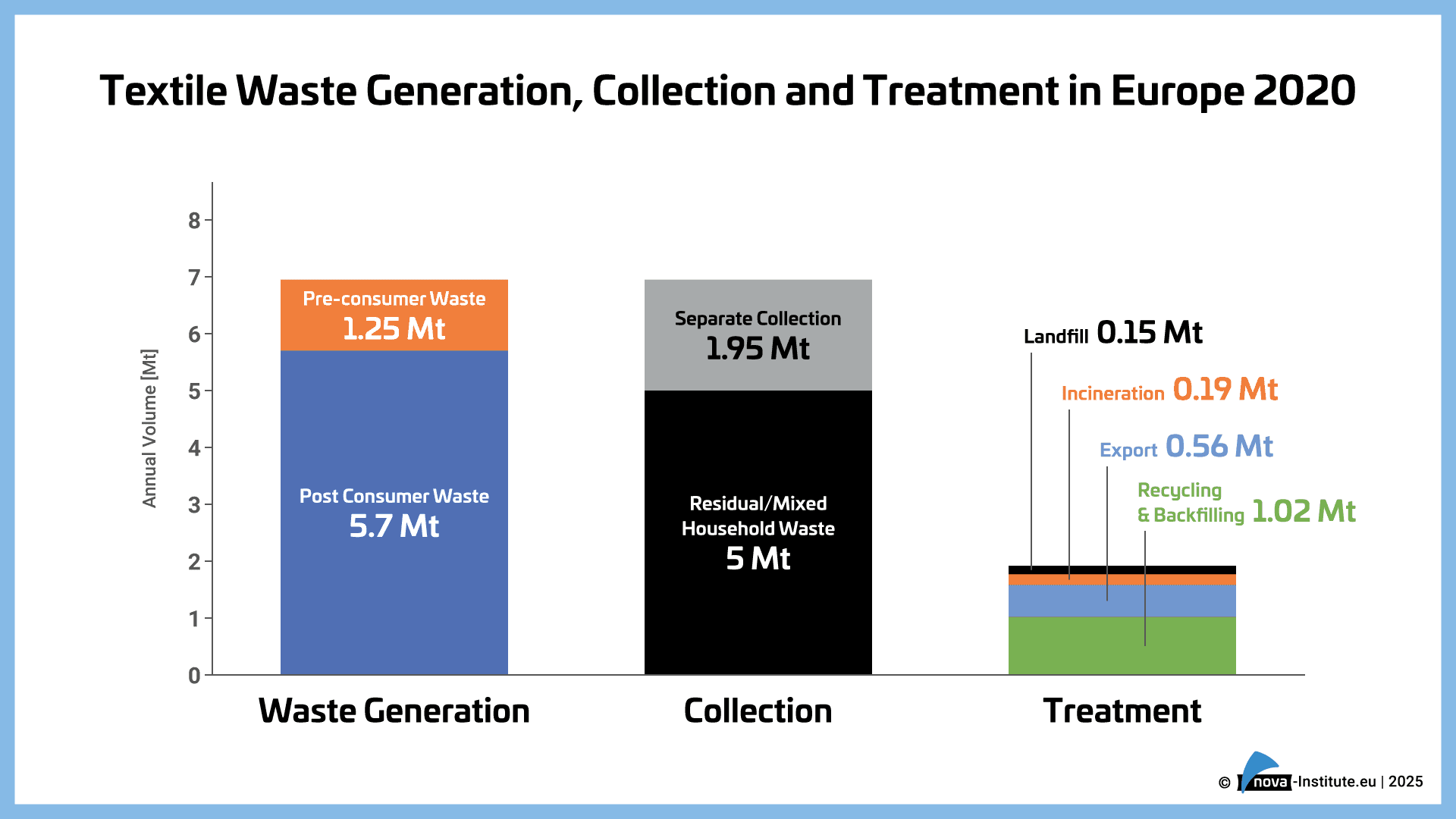
The false economy in trousers is painfully familiar: a cheap pair that pills, twists after one wash, or goes limp at the knee by summer’s end. The Ellen MacArthur Foundation says clothing production has approximately doubled in the last 15 years, while clothing use has declined by almost 40 percent, and more than half of fast fashion is disposed of in under a year. That is the trap in one line, more product, less use.
Cost per wear is the real test. A trouser that feels expensive at checkout can still be a bargain if it holds its shape, survives repeated washing, and stays relevant beyond one season. A bargain pair that collapses after a few outings is not frugal, it is landfill with a waistband.
Read the fabric like a fabric nerd
Material is where greenwashing usually starts trying to cosplay as virtue. Good On You’s guide pushes you toward durable fabrics because the fiber choice tells you how the pant will behave after real life, not just a dressing-room mirror. You want trousers that look substantial in the hand, with a weave or knit that feels resilient rather than flimsy and papery.
A useful way to think about it:
- Dense fabrics usually age better than airy ones, because they resist abrasion and keep their drape.
- Blends can be smart when they improve recovery and reduce blowout at the knees or seat, but a blend is only useful if the brand is honest about why it is there.
- Avoid the “soft touch” trap if the cloth feels suspiciously slick or thin. That easy feel can be the setup for fast wear.
- Look for fabric descriptions that are specific, not vague. The more a brand tells you about composition and construction, the less it is hiding behind sustainable-sounding mush.
The goal is not to memorize fiber catechisms. It is to choose trousers that can take a beating, because a garment that lasts longer automatically wastes less.
Construction is the part you do not see, and it matters most
This is where better trousers separate themselves from the nice-looking ones. Stitching density, seam strength, pocket placement, waistband stability, and hem finishing all decide whether trousers hold their shape after months of sitting, walking, commuting, and being stuffed into a chair back. A pair can look polished on the rack and still be a structural mess.
Pay attention to repairability too. If the seams are accessible, the hems are cleanly finished, and the waistband is built in a way a tailor can work with, the trousers have a future. If every flaw is hidden behind delicate trim, glued details, or fussy decoration, the piece is asking to be abandoned the moment something slips.

The best sustainable trousers tend to feel almost old-fashioned in the best sense: sturdy, straightforward, made to be altered. That is not boring. That is the quiet luxury of not having to replace them.
Fit is sustainability in disguise
The most sustainable trouser in the world is still a waste if you never reach for it. Good On You’s guide is smart to treat fit as part of longevity, because the silhouette you actually wear is the one that earns its keep. Timeless does not mean stiff or corporate. It means the proportions keep working after the trend cycle has moved on.
Choose a shape that suits your life, not just your feed. A clean straight leg, a relaxed tailored cut, or a gently tapered trouser can all last longer in your wardrobe than a gimmicky silhouette that only makes sense with one shoe and one mood. The point is repeatability. If the rise sits comfortably, the leg falls cleanly, and the hem works with what you already own, you will wear it more often, and that is the entire sustainability argument in one outfit.
How to judge a brand without falling for the green sheen
This is where transparency becomes the real luxury. Good On You says its directory assesses brands on people, planet, and animals, and its editors curate options from highly rated brands that are more transparent about their practices and impact. That matters because the industry still loves to make vague virtue claims while keeping the supply chain in fog.
Fashion Revolution’s 2024 What Fuels Fashion? report reviewed and ranked 250 of the world’s largest fashion brands and retailers on climate and energy disclosure, which tells you how much daylight the sector still needs. If a brand cannot clearly explain where it sources materials, how it makes its clothes, or what happens after sale, the sustainability story is probably mostly styling. The best labels do not just promise better trousers, they make the evidence visible.
A quick reality check helps:
- Clear material breakdowns beat buzzwords.
- Real repair, resale, or take-back support matters more than a recycled-looking homepage.
- Brands that are open about impact usually have less to hide on quality, too.
- If the pitch is all feeling and no data, keep walking.
What better trousers actually do for your closet
Better trousers do not shout. They settle in. They soften where they should, keep their line where they need to, and work with the pieces you already have instead of demanding a total wardrobe rewrite. That is the quiet power of buying less often and choosing better, especially in a category that touches so many parts of the sustainability crisis at once, from emissions and water to chemicals, waste, and microplastics.
The cleanest pair is not the one with the most polished slogan. It is the one you keep wearing next season, and the season after that, until the cost per wear drops low enough to embarrass the throwaway alternative. In fashion, longevity is not a compromise. It is the sharpest finish you can buy.
This article was produced by Prism’s automated news system from verified source data, official records, and press releases, then run through automated quality and moderation checks before publishing. The system is built and supervised by the people who set the standards it runs under. Read our full AI policy.
Did this article answer your question?