How to Shop for Sustainable Fashion and Cut Microplastic Pollution
The dirtiest part of a cheap outfit may be what it sheds in the wash. Here is how to shop fibers, care for clothes, and cut microplastic pollution without losing style.

The hidden cost of a beautiful closet
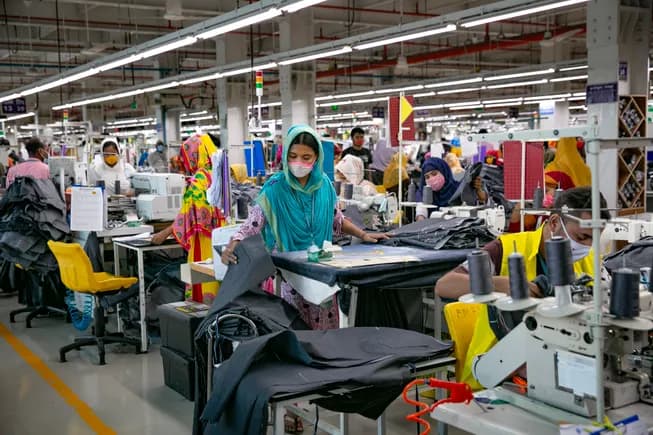
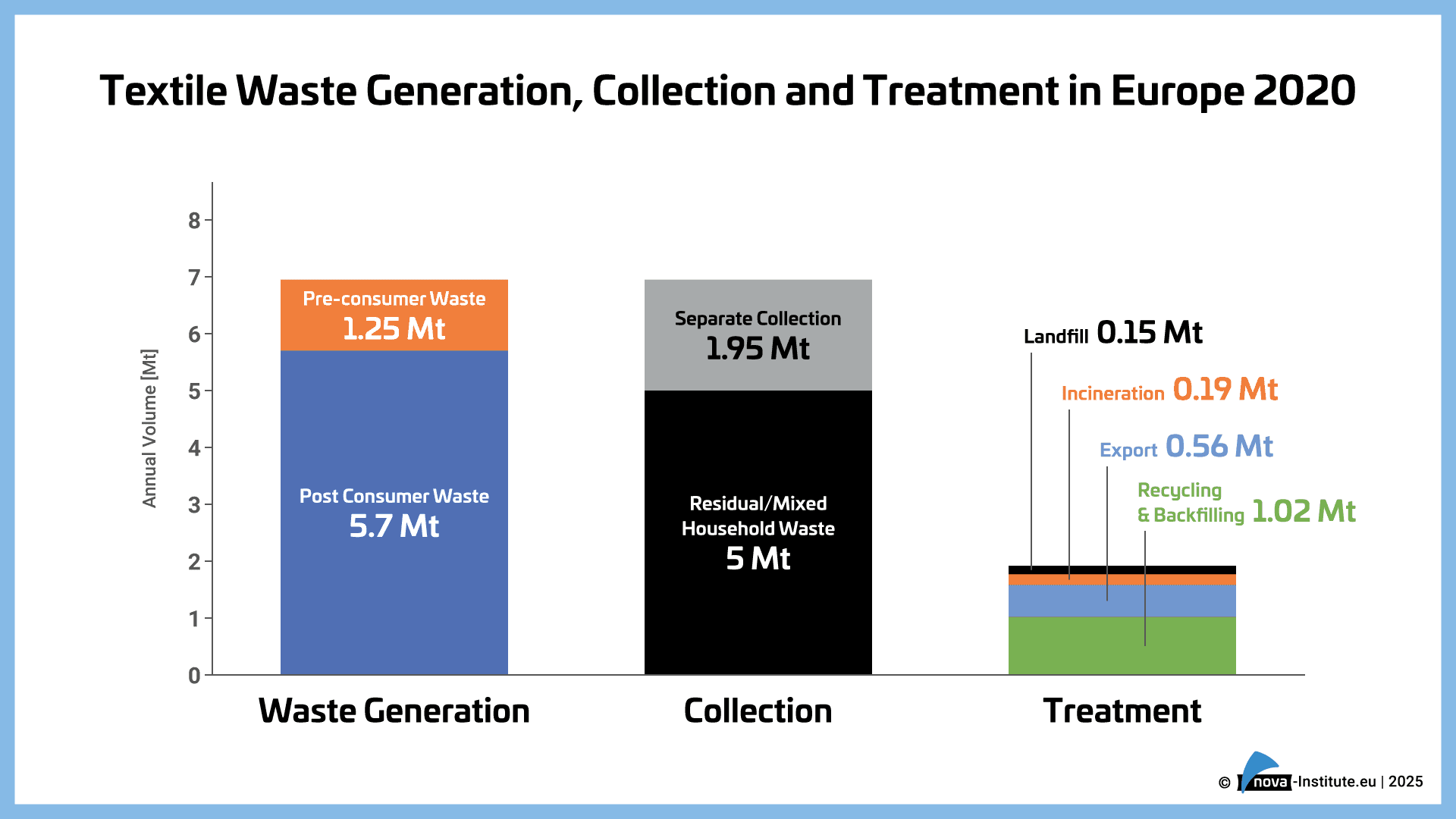
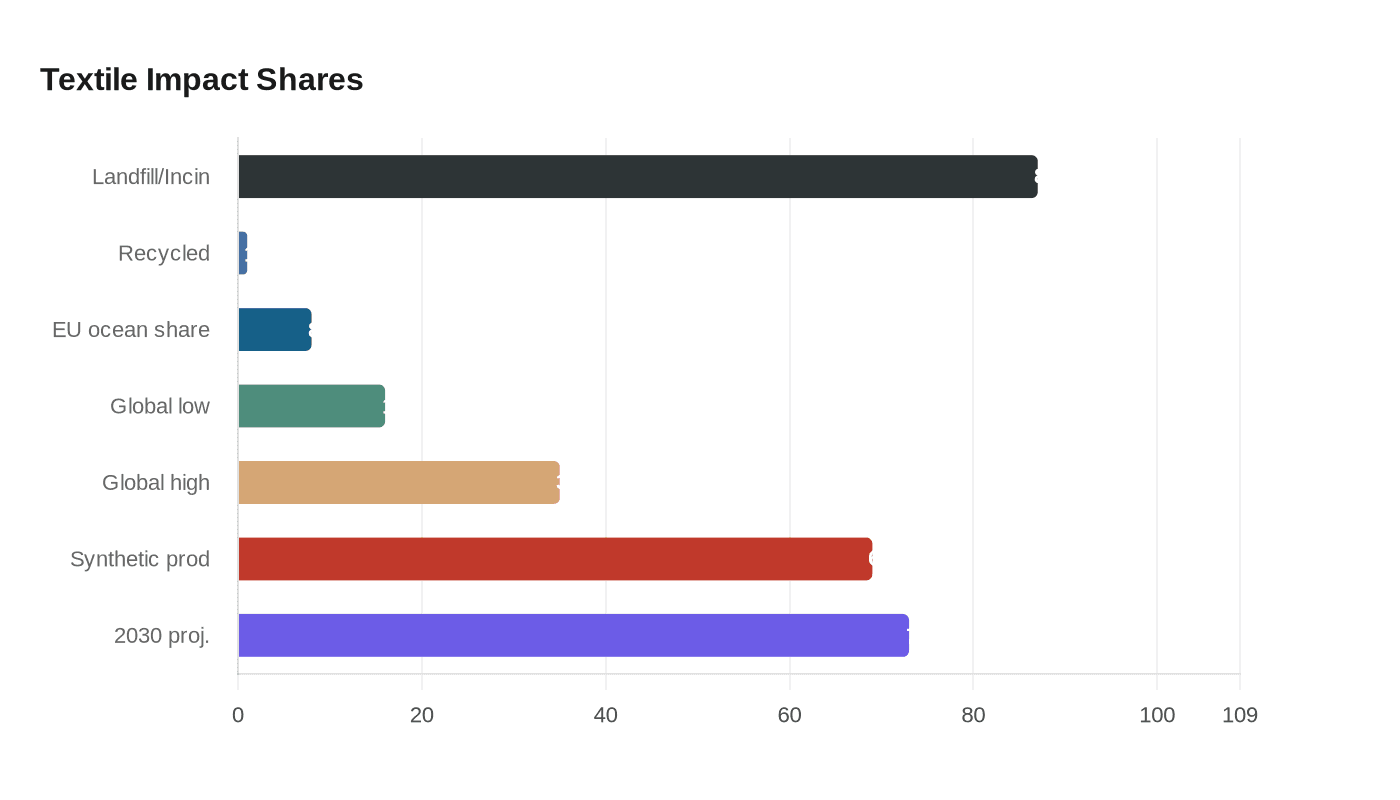
The most sobering number in sustainable fashion is not the price of a dress or the size of a runway audience. It is 100 billion: the number of garments EarthDay.org says the industry produces every year, with 87 percent ending up in landfills or incinerators and only 1 percent recycled. The average person now buys 60 percent more clothing than 15 years ago, yet keeps each piece for only half as long, which is exactly how a wardrobe becomes a waste stream.
That is the frame WWD uses when it treats sustainable fashion less as a mood and more as a set of daily decisions. The cleanest-looking garment can still carry a hidden cost if it is built from fibers that break apart in the wash. In this moment, the most fashion-forward choice is often the one that stays in rotation longer, sheds less, and asks less of the laundry machine.
Why microplastics belong in every shopping decision
Synthetic textiles are now a recognized source of microplastics, and the scale is hard to ignore. The European Environment Agency estimates that between 200,000 and 500,000 tonnes of textile microplastics enter the global marine environment each year. It also says about 8 percent of European microplastics released to oceans come from synthetic textiles, while the global share is estimated at 16 percent to 35 percent.
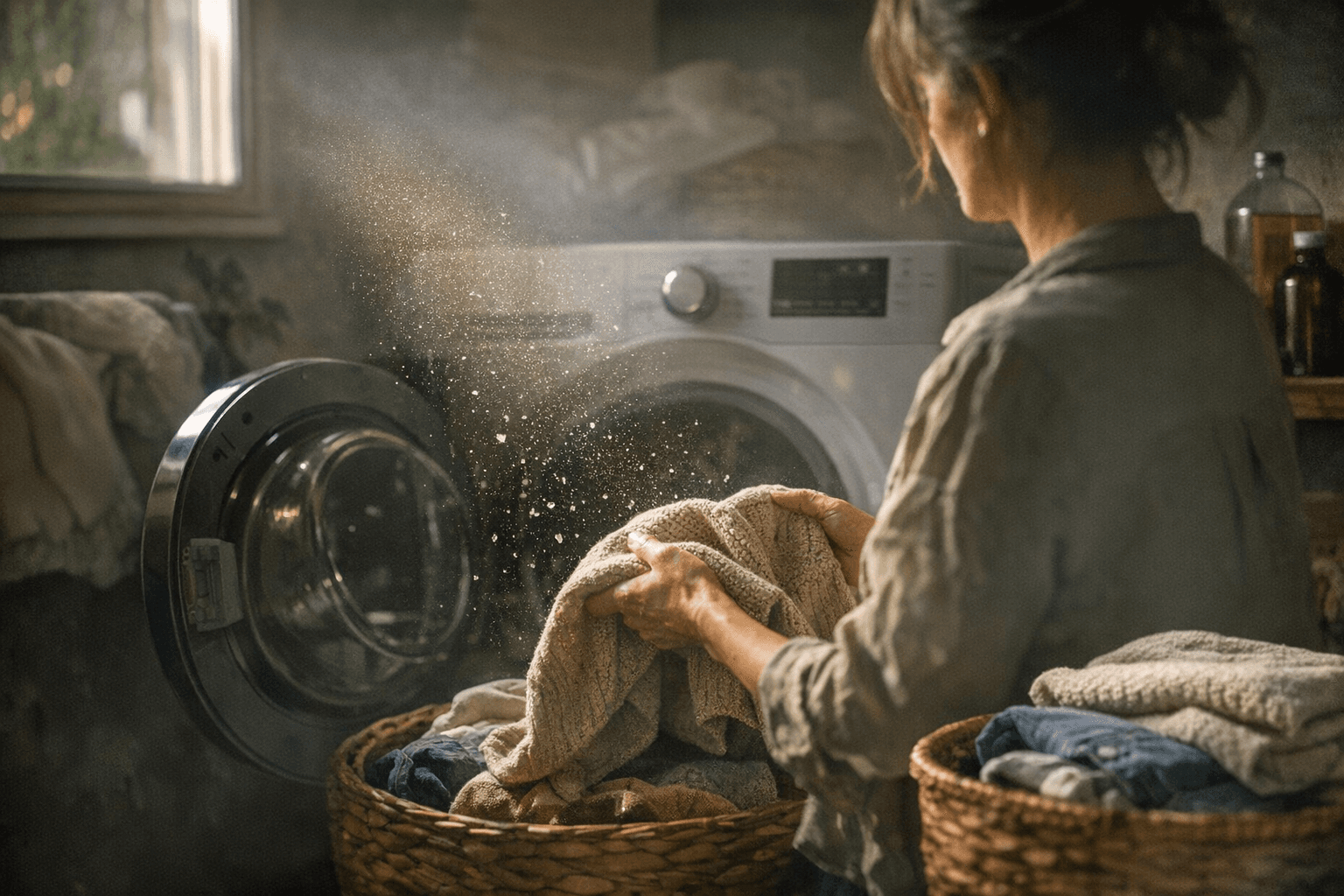
The detail that should change the way you think about fabric is this: most textile microplastics are released during the first few washes. That means the damage is not some distant, abstract possibility. It is happening the moment a new synthetic T-shirt, dress, or sweater hits the drum. Fast fashion makes that worse, because low-quality garments are worn briefly, washed repeatedly in a short span, then discarded before they have any real life left in them.
Changing Markets sharpens the picture further. Synthetic fibres account for 69 percent of textile production and are projected to reach 73 percent by 2030. The group estimates the apparel industry generated 8.3 million tonnes of plastic pollution in 2019, and says polyester alone carried a climate footprint of 125 million tonnes of CO2e in 2022. If sustainable fashion is supposed to mean less harm, then the fiber chart matters as much as the silhouette.
What to buy if you want to shed less
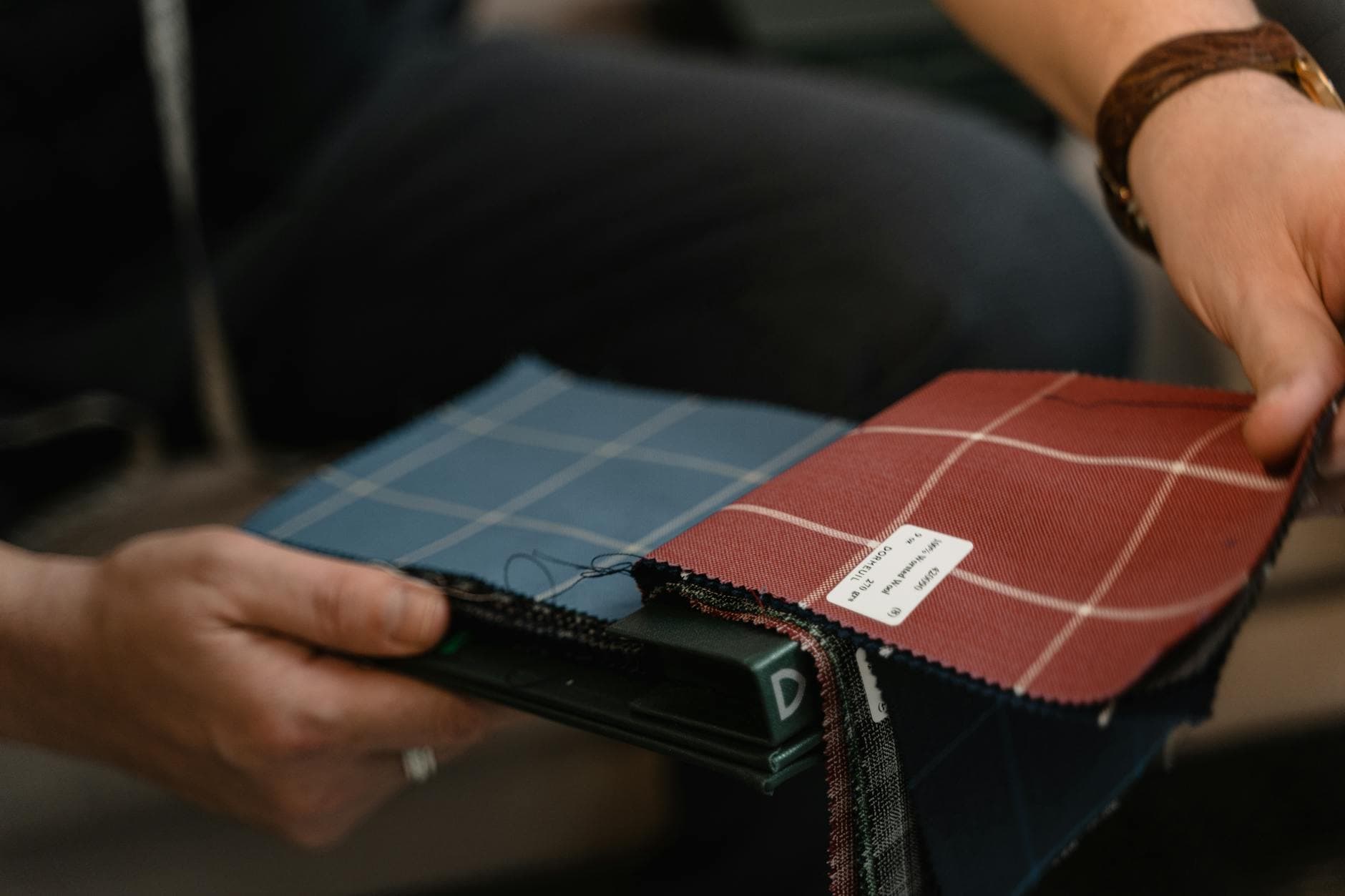
The easiest shortcut is also the least glamorous one: read the composition label. Garments made with less polyester, acrylic, nylon, and other synthetics are the clearest way to reduce the plastic load you bring home. If you are weighing two similar pieces, the one with a lower synthetic content usually makes the better long-term bet, especially if you plan to wear it often.
Natural fibers are not a magic spell, but they do move you away from the biggest source of microfiber shedding identified in the data. Cotton, linen, wool, silk, and other non-synthetic materials deserve a closer look when you are choosing between a trend-driven buy and something you will actually keep. The most sustainable garment is rarely the one that arrives with the most polished marketing language; it is the one that can survive real use without becoming disposable.
- Lower synthetic content usually means less plastic shedding potential.
- Better construction matters because fast fashion’s low quality increases release and accelerates discard.
- Fewer purchases matter because every garment you do not buy is one less item that can fragment in a wash cycle.
A useful way to shop is to think in tradeoffs:
That is where style and discipline meet. A sharply cut wool blazer, a linen shirt with structure, or a silk blouse that is worn and cared for properly does far more for a wardrobe than a pile of novelty synthetics bought for one weekend.
How garment care changes the equation
Laundry is where the invisible damage shows up, so the way you care for clothes is not a side note. Because most textile microplastics are released during the first few washes, you can reduce shedding by washing synthetics less often and only when they truly need it. Spot-cleaning, airing pieces out between wears, and waiting until a garment is actually soiled before sending it through a cycle all help keep unnecessary wash events off the calendar.
The bigger point is lifespan. EarthDay.org’s numbers show a fashion system built on overbuying and underusing, and the EEA links quick turnover to higher microplastic release. That means a wardrobe that stays in service longer is doing two jobs at once: it slows the throwaway cycle and reduces the number of wash cycles attached to each purchase. In sustainable fashion, wear count is its own kind of craftsmanship.
If you love synthetics for performance, do not pretend the label is the problem and the garment is innocent. A technical jacket or stretch piece may still earn its place if you actually use it, keep it for years, and avoid replacing it on impulse. The waste comes from churn, not just from chemistry.
The part of sustainable style that still needs more honesty
The hardest truth in this conversation is that there is no single shopping trick that cancels the problem. Synthetic fibers still dominate textile production, polyester still anchors the market, and the scale of plastic pollution remains vast even when consumers try to buy better. That is why microplastics should not be treated as a niche laundry issue or a cute Earth Month sidebar.
The real style shift is a quieter one. Buy less, choose fibers more carefully, and keep garments in use long enough to matter. That is the kind of wardrobe logic that works on the body and in the world, and it is what makes sustainable fashion feel less like a slogan and more like a standard.
This article was produced by Prism’s automated news system from verified source data, official records, and press releases, then run through automated quality and moderation checks before publishing. The system is built and supervised by the people who set the standards it runs under. Read our full AI policy.
Did this article answer your question?