Iran War Drives Up Polyester Costs Across Asia’s Fashion Supply Chains
Polyester feedstock costs jumped nearly 30 percent in Asia, and the shock is moving from Surat’s mills toward Zara and H&M.
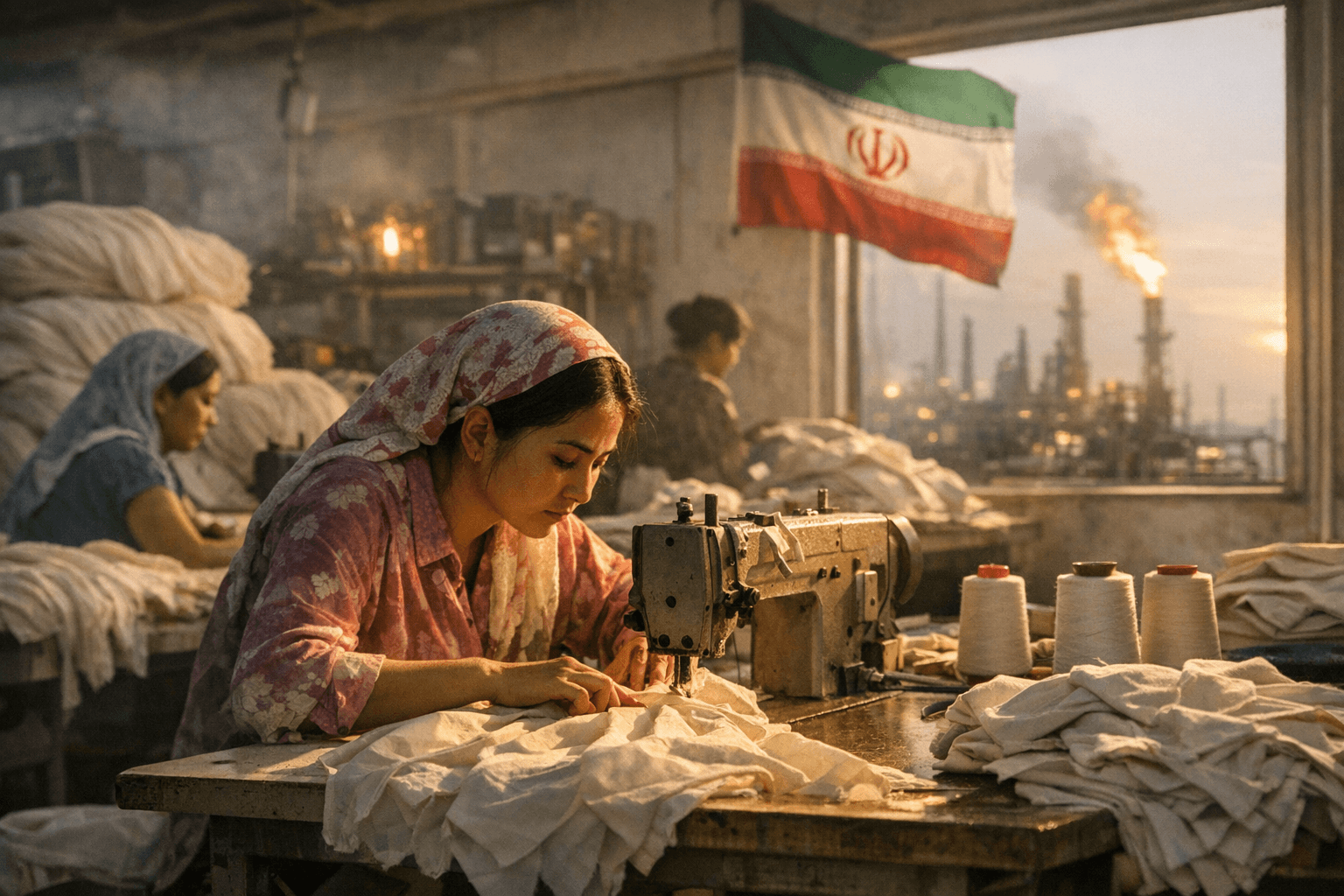
The war in Iran has landed in the most ordinary place in fashion: the polyester rack. As fossil-fuel prices jump, the petroleum-derived ingredients that make the industry’s cheapest fiber are getting more expensive, and the strain is spreading through India and Bangladesh, where polyester still underpins much of the clothing that ends up on fast-fashion floors. Polyester accounts for 59 percent of global fibre production, which is why a feedstock shock in one region can ripple from a yarn mill in Surat to a sales floor in London, New York, or Stockholm.
Filatex, one of India’s biggest polyester yarn producers, is paying nearly 30 percent more for purified terephthalic acid and monoethylene glycol, the oil-derived feedstocks it needs to make yarn. Chinese suppliers have raised prices, Middle East supply has been disrupted, and the result is a cost base that looks far less stable than the flat, low-price polyester the mass market depends on. That matters because polyester is the fabric of running shorts, slip dresses, school uniforms, and the bulk-buy basics that keep chains moving on thin margins.
The pressure does not stop at the yarn stage. Avichal Arya, chief executive of Bindal Silk Mills in Surat, said the energy crisis had “drastically” lifted the cost of chemicals and dyes. Bindal supplies dyed and printed polyester fabrics to H&M, Zara-owner Inditex, Target, Walmart and Ikea, which makes the price squeeze feel less abstract and more like a line item waiting to surface in the next buying cycle. Arya also said a shortage of cooking gas linked to the war has driven migrant workers out of Surat, adding labor disruption to an already tense production picture.
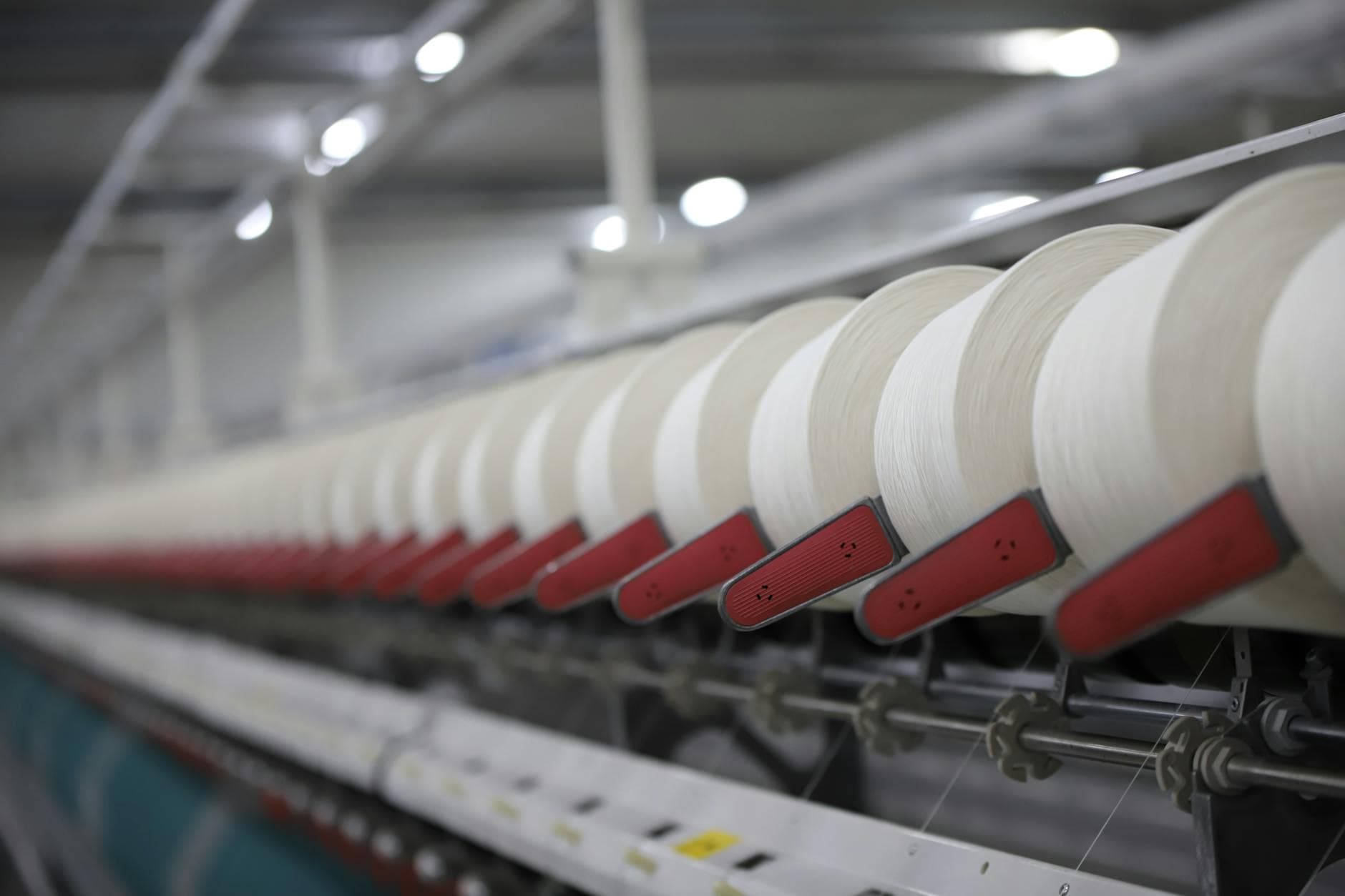
For now, some brands are buffered by forward buying, but that shield is temporary. Bangladeshi suppliers expect to raise prices in the coming weeks, and the cost shock is starting to move downstream toward the retailers that built their business on polyester-heavy sourcing. The uncomfortable truth for fashion is that a system built on virgin synthetics is exposed twice over: to the volatility of oil markets and to the environmental bill that comes with every new petrochemical cycle.
This article was produced by Prism’s automated news system from verified source data, official records, and press releases, then run through automated quality and moderation checks before publishing. The system is built and supervised by the people who set the standards it runs under. Read our full AI policy.
Did this article answer your question?


