Hyosung builds first plant-based spandex supply chain in Vietnam
Hyosung TNC has wired sugarcane to spandex in Vietnam, betting nearly $1 billion that bio-based stretch can cut carbon without changing hand or performance.
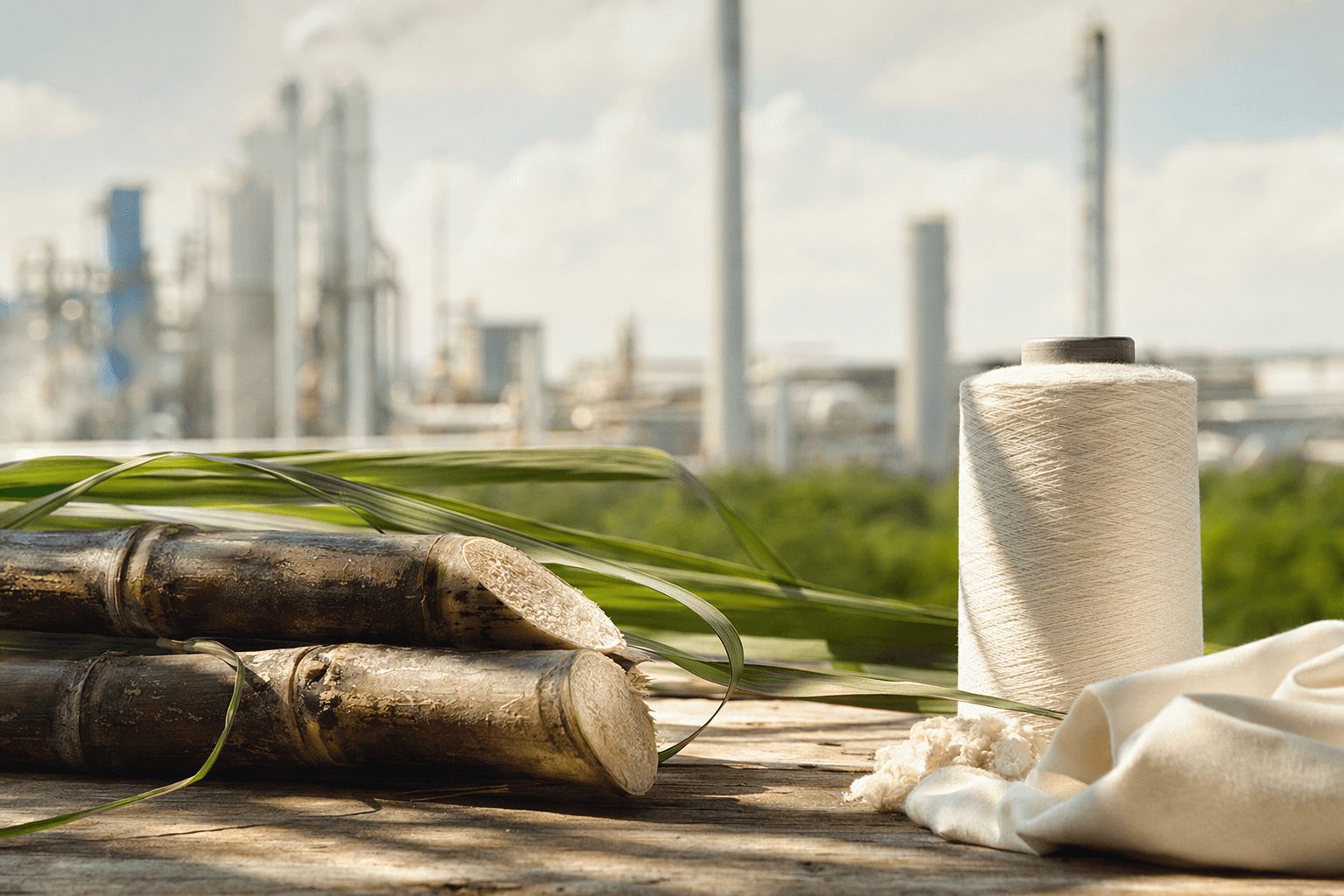
Hyosung TNC is making its boldest case yet for bio-based stretch: not a token pilot, but a full supply chain that turns sugarcane into spandex in Vietnam, from raw input to finished fiber. The company says the system is the world’s first vertically integrated production chain for bio-spandex, a move designed to answer fashion’s hardest question in stretch fabrics: can lower-carbon elastane scale without sacrificing performance, speed, or procurement reliability?
The structure is unusually specific for a material category that has long depended on fossil fuels. Hyosung plans to make Bio-BDO in Ba Ria-Vung Tau Province, then convert it into PTMG in Dong Nai, near Ho Chi Minh City, before spinning spandex at its Dong Nai Spandex factory. Hyosung says the initial Bio-BDO line is slated for 50,000 tons a year, with infrastructure that could eventually support 200,000 tons annually. That kind of industrial architecture matters because stretch is everywhere, from activewear and sportswear to denim, underwear, and swimwear, and brands have struggled to decarbonize it without compromising the fit and recovery that keep garments wearable.
Hyosung is backing the Vietnam build with nearly $1 billion and folding it into its corporate ESG commitment to reach net zero by 2050. The company has said its regen™ BIO Elastane, also referred to as Bio Spandex, is targeting commercial production in 2026, with retail debut slated for 2027. Hyosung also says the material could deliver up to a 55% lower carbon footprint than conventional elastane, while maintaining the same physical properties as fossil-fuel-based spandex. That promise is the real test. If the hand, stretch, and durability truly match standard elastane, the material could become easier for brands to specify across core categories rather than being reserved for small sustainability capsules.
The bigger question is whether the model can escape the familiar traps of bio-based materials: land use, cost, and scale. A vertically integrated chain may improve production efficiency, sharpen customer response times, and strengthen supply-chain robustness, but it does not automatically make plant-based spandex mainstream. Hyosung presented the platform at the Global Fashion Summit 2026 in Copenhagen on May 14, positioning the project as a practical industrial answer to one of fashion’s most stubborn emissions problems. For an industry built on close fit and constant motion, the real breakthrough will not be the idea of bio-spandex. It will be whether procurement teams can actually buy it at the scale, price, and consistency the category demands.
This article was produced by Prism’s automated news system from verified source data, official records, and press releases, then run through automated quality and moderation checks before publishing. The system is built and supervised by the people who set the standards it runs under. Read our full AI policy.
Did this article answer your question?


