Indonesian unions use worker data to strengthen garment wage talks
Indonesian unions are turning worker-reported wage and conditions data into bargaining leverage, exposing gaps between audits, supplier scorecards, and factory life.
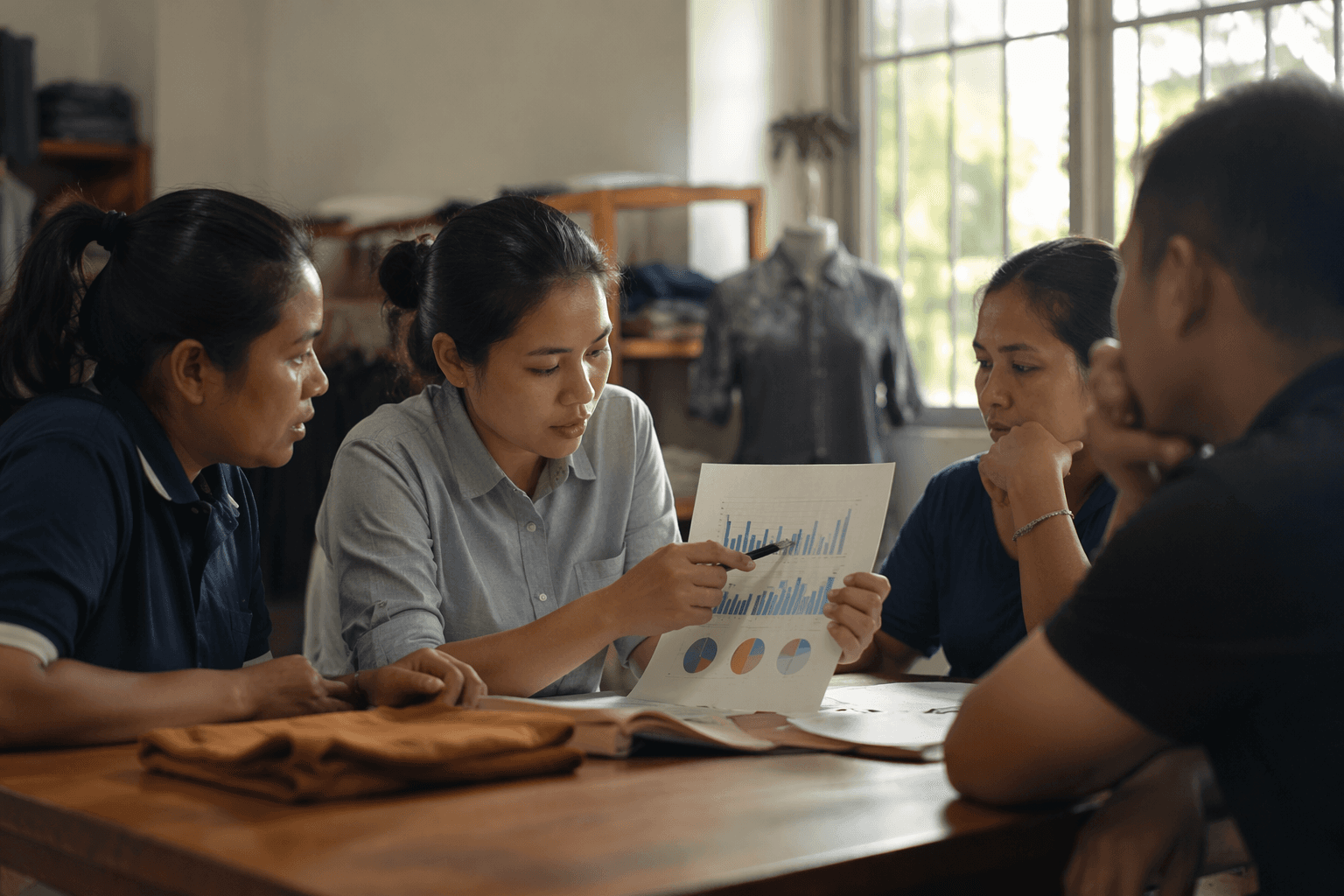
Through the Makin Terang initiative, unions in Indonesia’s textiles, garments, shoes, and leather industries are gathering worker-generated data factory by factory and using it to turn wage talks into evidence-based negotiations. In the sector right now, that is proving more useful than a fabric innovation or a glossy supplier dashboard. Lived conditions become numbers that brands, auditors, and worker representatives can actually compare.
From testimony to bargaining power
Makin Terang began in 2023 with backing from the Laudes Foundation and a consortium that includes WageIndicator Foundation, FNV Mondiaal, Gajimu Indonesia, and the Trade Union Rights Centre. National union partners in the program include Serikat Pekerja Nasional, FSP TSK-SPSI, FSB GARTEKS, and GSBI. The program was built to create a factory database, strengthen worker representation, and publish compliance data, collective bargaining processes, and worker participation in forms that unions and workers can use.
The project is moving into a self-sustaining phase in 2026. Unions are now collecting bargaining data and worker polls on their own, extending a model that was built to outlast a single grant cycle.
What worker data can compare
The model measures wages, hours, safety, factory disruptions, worker participation, and the quality of collective bargaining. Surveys and polls, online or face-to-face, are translated into worker-friendly findings and published for union use. A 2025 report using Makin Terang data identifies the main survey source as the DecentWorkCheck survey, used to assess compliance with labour law and surface workers’ priority issues.
Instead of arguing in generalities about “conditions,” unions can compare:
- reported wages against legal wage levels and bargaining demands
- working hours against labour-law compliance
- occupational safety and health conditions across factories
- temporary factory closures, reduced orders, and delayed payments that hit incomes
- worker participation in decision-making and grievance processes
- the quality of collective bargaining itself, including whether it reflects gender-responsive concerns
Why this model has teeth at factory level
Makin Terang is built for factory-level social dialogue, not broad sector rhetoric. A November 2024 workshop in Jakarta on factory-level collective bargaining brought together 20 union representatives from 7 factories and 5 branch or district union leaders. The focus was data-driven and gender-responsive bargaining in a workforce where women often experience wage and scheduling decisions differently from men, even inside the same production line.
A union can walk into negotiations with factory-specific data on hours, pay delays, or safety problems, then tie those findings to what workers say they need. That data can be used against the claims of a factory audit or a supplier self-assessment.
The COVID-era scale already proved the method
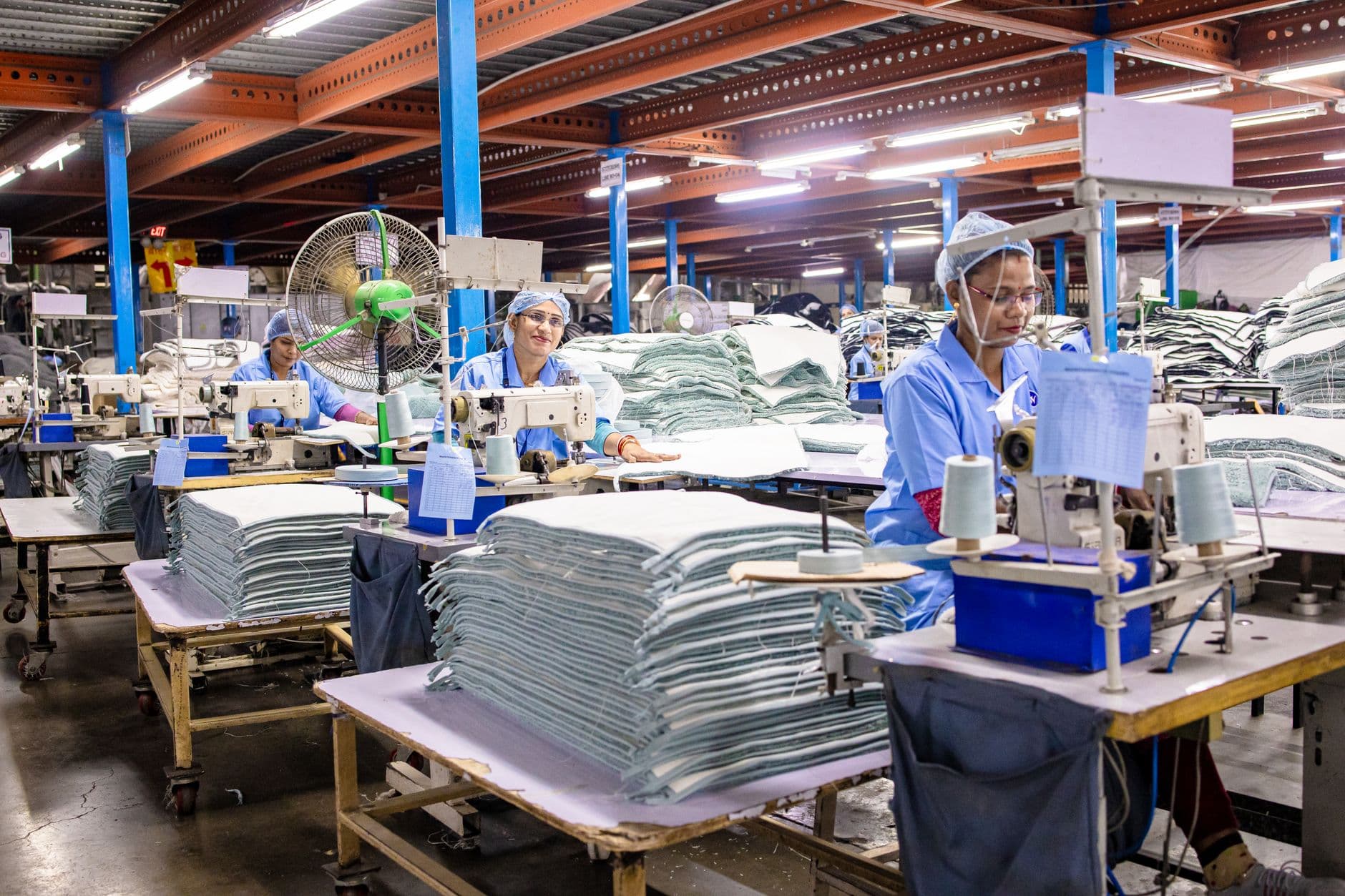
Indonesia has already seen worker-driven monitoring operate at scale. Between May 2020 and August 2021, the Data Academy gathered COVID-19 impact data from trade unionists in 194 Indonesian garment factories. That monitoring covered occupational safety and health, wages, working hours, temporary factory closures, reduced orders, purchasing practices, and delayed payments.
Delayed orders can mean lower pay, fewer hours, or unpaid waiting time. Temporary closures can mean income loss. Collecting those details across 194 factories created a record connecting buyer behavior to worker outcomes.
Where compliance gaps become visible
Brands and auditors often rely on scorecards that can make a supplier look organized and compliant on paper. Worker-reported data can expose where the paper version and the lived version diverge.
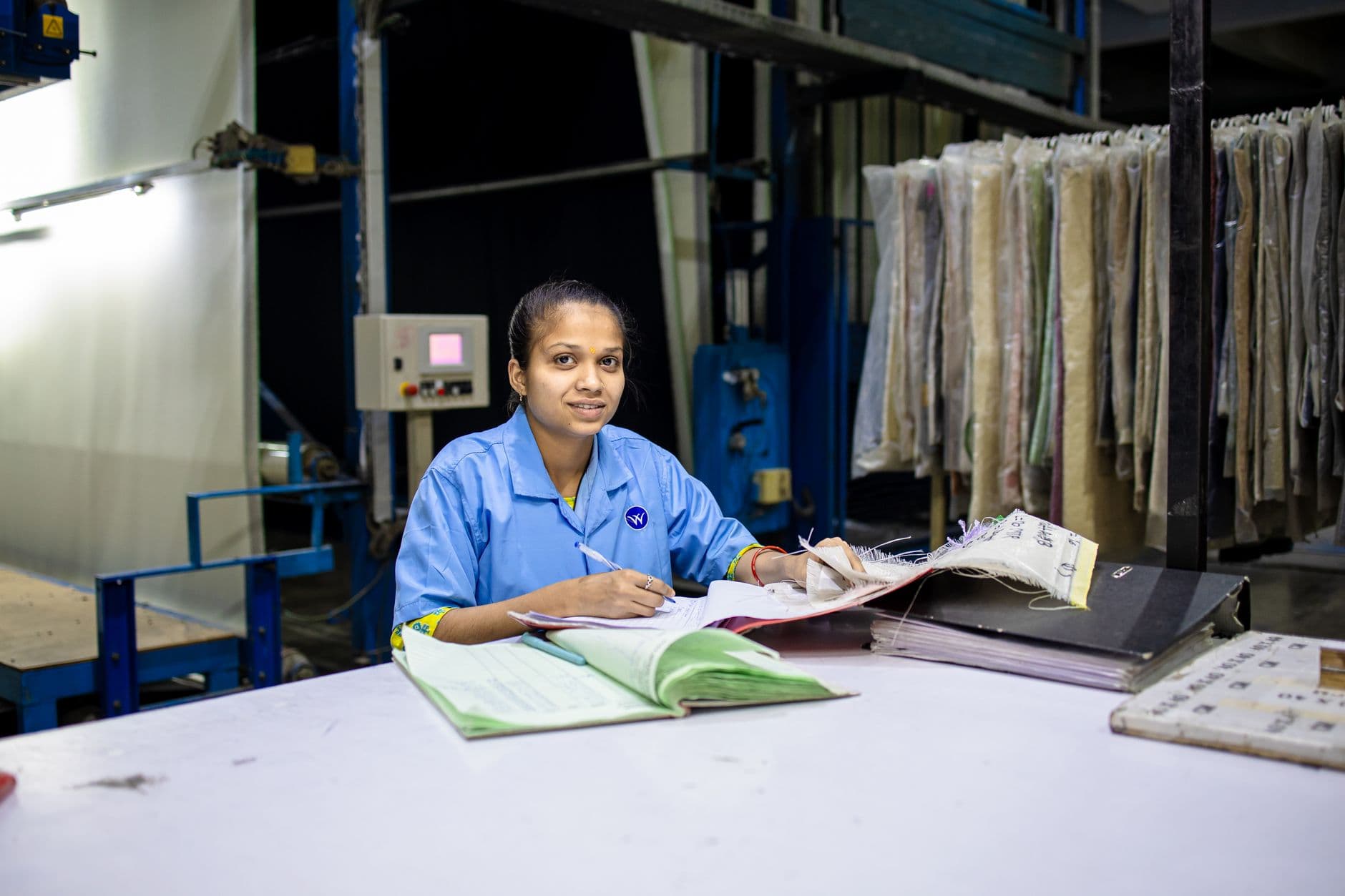
If a factory passes a checklist but workers report delayed payments, weak safety practices, or no meaningful participation in bargaining, the gap is no longer rhetorical. It is measurable. Once that gap is visible, buyers cannot easily claim compliance has been settled by a single audit or a one-off visit.
The Makin Terang program aims to improve transparency around working conditions and support collective bargaining and worker participation. That means the data can be used to compare factory promises with what workers are actually experiencing on the line, in the canteen, and at the bargaining table.
Why the national policy backdrop matters
The International Labour Organization’s Indonesia Decent Work Country Programme for 2020 to 2025 lists effective social dialogue, improved labour compliance, and fair wage-setting as national priorities. The model fits the country’s industrial-relations agenda, where the quality of social dialogue is supposed to shape how wages are set and how compliance is enforced.
Makin Terang held its final conference in Jakarta on 25 November 2025 under the title “In Defense of Labour Intensive Industry: 10 years lessons of working in Indonesia’s TGSL Sector,”
This article was produced by Prism’s automated news system from verified source data, official records, and press releases, then run through automated quality and moderation checks before publishing. The system is built and supervised by the people who set the standards it runs under. Read our full AI policy.
Did this article answer your question?