Joline Jolink turns hand-spun flax into a lesson in slow luxury
Ten thousand metres of thread yielded barely one jacket, and that arithmetic is the whole point: Jolink’s flax experiment exposes the real cost of slow, low-impact fashion.
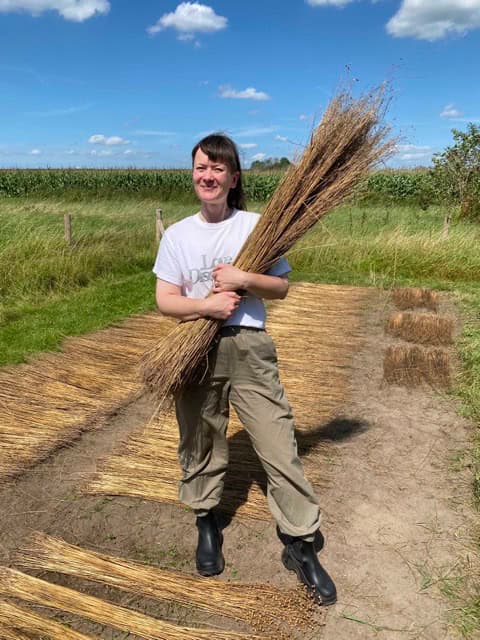
Ten thousand metres of hand-spun thread sounds generous until Joline Jolink does the math: it is only enough for about 1.5 metres of cloth, or one garment. That stark conversion rate is what makes her Welsum project feel less like pastoral romance and more like an accounting lesson in fashion’s true material costs.
The luxury is in the labor
Jolink moved from Rotterdam to Welsum in 2023 to make the entire process visible, from fibre to garment. Her Fashion Farm is set up as a design studio, sustainable textile workshop, fashion shop and permaculture site, housed in an ecologically renovated former chicken barn in Overijssel. The idea is not to hide the making behind a polished product shot, but to put soil, maker and wearer in the same frame.
In 2024, she and about 30 volunteers sowed biologically grown flax on 40 square metres of land. What followed was months of weeding, harvesting, spreading, turning and processing before a single usable thread emerged. By June 2026, the project had produced more than 10,000 metres of hand-spun thread from her own Welsum flax, yet still no fabric panels, which is precisely what makes the project so revealing about the economics of low-impact clothing.
Why 10,000 metres does not equal scale
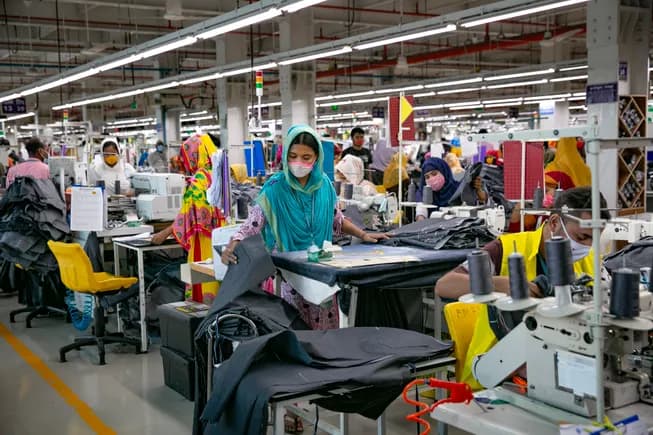
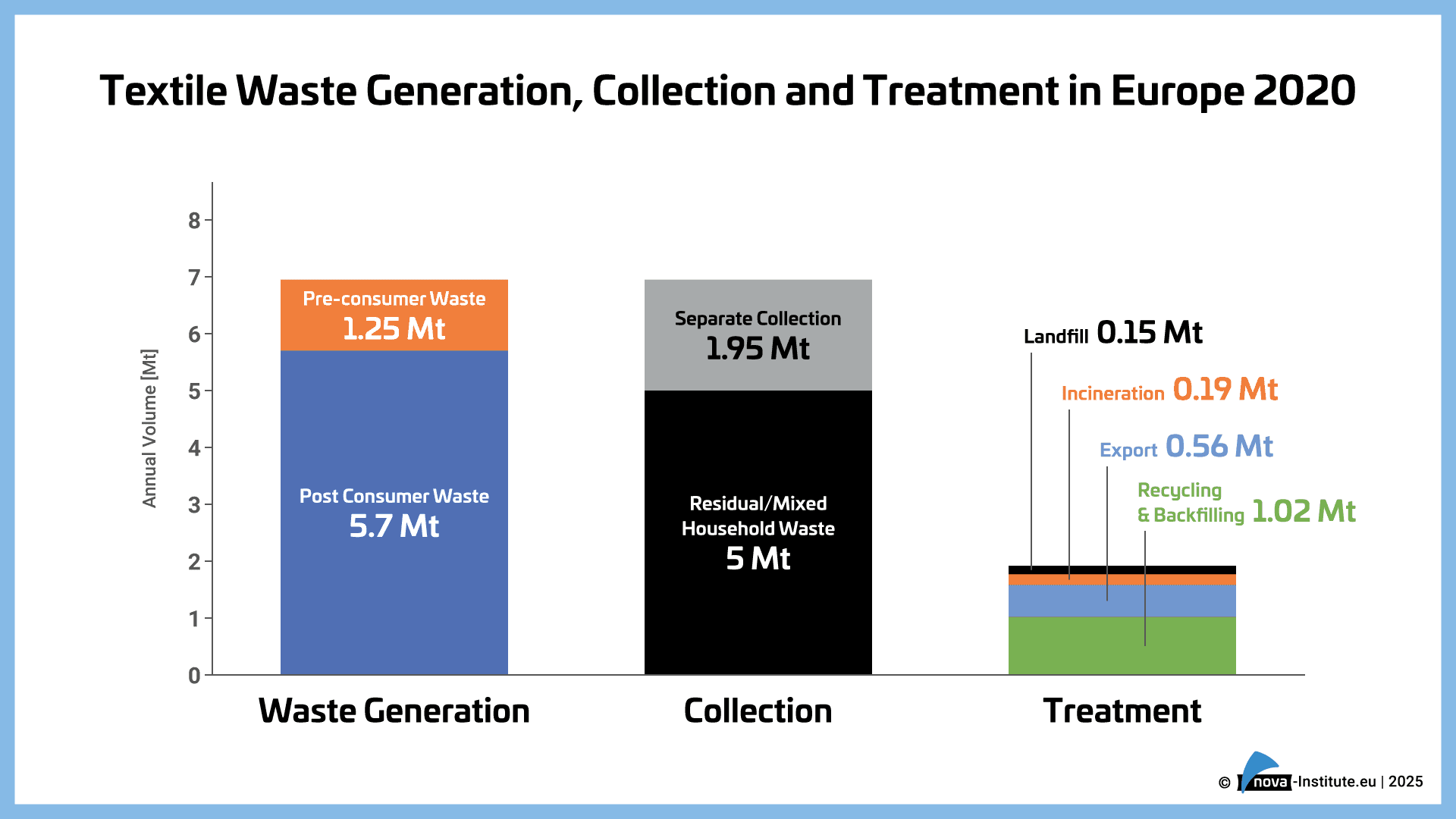
The number matters because it strips away the fantasy that sustainable fashion is simply a matter of better branding. Global clothing production is commonly estimated at roughly 80 billion garments a year, while clothes are often worn only about seven to ten times before being discarded. The European Environment Agency says EU citizens consumed an average of 19 kg of clothing, footwear and household textiles in 2022, up from 17 kg in 2019. Against that backdrop, 10,000 metres of thread for one garment is not inefficiency for its own sake. It is a critique of a market built to move far more volume than most wardrobes can justify.
That is the hard truth at the centre of ultra-slow production: it is deeply instructive, but it is not easily scalable. Hand-spun flax, local processing and specialist embroidery demand time, land, coordination and patient skill in a way industrial fashion is engineered to avoid. What Jolink’s project teaches brands is not how to imitate it at mass-market speed, but how to confront the waste baked into overproduction and the false economy of making too much, too fast.
A jacket built from restraint, not excess
The current piece is a jacket, and its most compelling detail is how little it tries to shout. The thread from Welsum is being used in subtle embroidery on the shoulders, made with Martine from Het Borduurburo, an embroidery designer with more than 25 years of experience in specialist techniques. That choice matters because the embroidery is not decorative surplus; it is a way of marking labor without drowning the garment in ornament.

The jacket also incorporates biologically grown Dutch linen from The Linen Project, and Jolink describes it as a biodegradable jacket made of 100 percent Dutch linen. The effect is deliberately restrained. Instead of the dense finishes and machine-perfect surfaces that usually signal luxury, the garment lets provenance do the work. You can read the piece as a study in texture, structure and discipline: flax translated through linen, linen sharpened by embroidery, and both held together by a refusal to overproduce.
What local fashion is really testing
Fibershed Nederland frames the project as an inquiry into what knowledge, partners and craftsmanship are needed to make a fashion product fully locally from flax grown on its own ground. That is the real experiment here. It is not just whether one jacket can be made in Welsum, but whether a regional textile chain can be assembled with enough coherence to support a fashion object from soil to shoulder seam.
The question is practical as much as cultural. Local flax production needs land, volunteers, specialist processing, embroidery expertise and a brand willing to accept that the timeline will stretch across seasons rather than product cycles. It also needs a customer who understands that durability and provenance are part of value, not an alternative to it. In that sense, the project is less about nostalgia than about rebuilding textile knowledge that industrial production has pushed to the margins.
Where hand-made flax can matter next
Hand-made flax will not replace mainstream fashion, and it should not pretend to. The materials alone make that clear: 40 square metres of land, 30 volunteers, months of work and 10,000 metres of thread still add up to one garment’s worth of cloth. But that is exactly why it can influence the industry. It gives designers and brands a concrete model of scarcity, one that forces every yard of fibre to justify its existence.
The wider lesson is not that all clothes should be made this way. It is that fashion has spent decades discounting the real cost of material, labor and time. Jolink’s Fashion Farm turns those costs back into visible value, and in doing so it offers a cleaner definition of sustainable luxury: not more product, but more respect for what it takes to make one piece well.
This article was produced by Prism’s automated news system from verified source data, official records, and press releases, then run through automated quality and moderation checks before publishing. The system is built and supervised by the people who set the standards it runs under. Read our full AI policy.
Did this article answer your question?