Kantamanto Market rebuilds after fire, battling fast fashion waste tide
After the January 1 fire, Kantamanto’s traders are rebuilding a 42-acre market that absorbs 15 million garments a week and the costs of fast fashion’s castoffs.

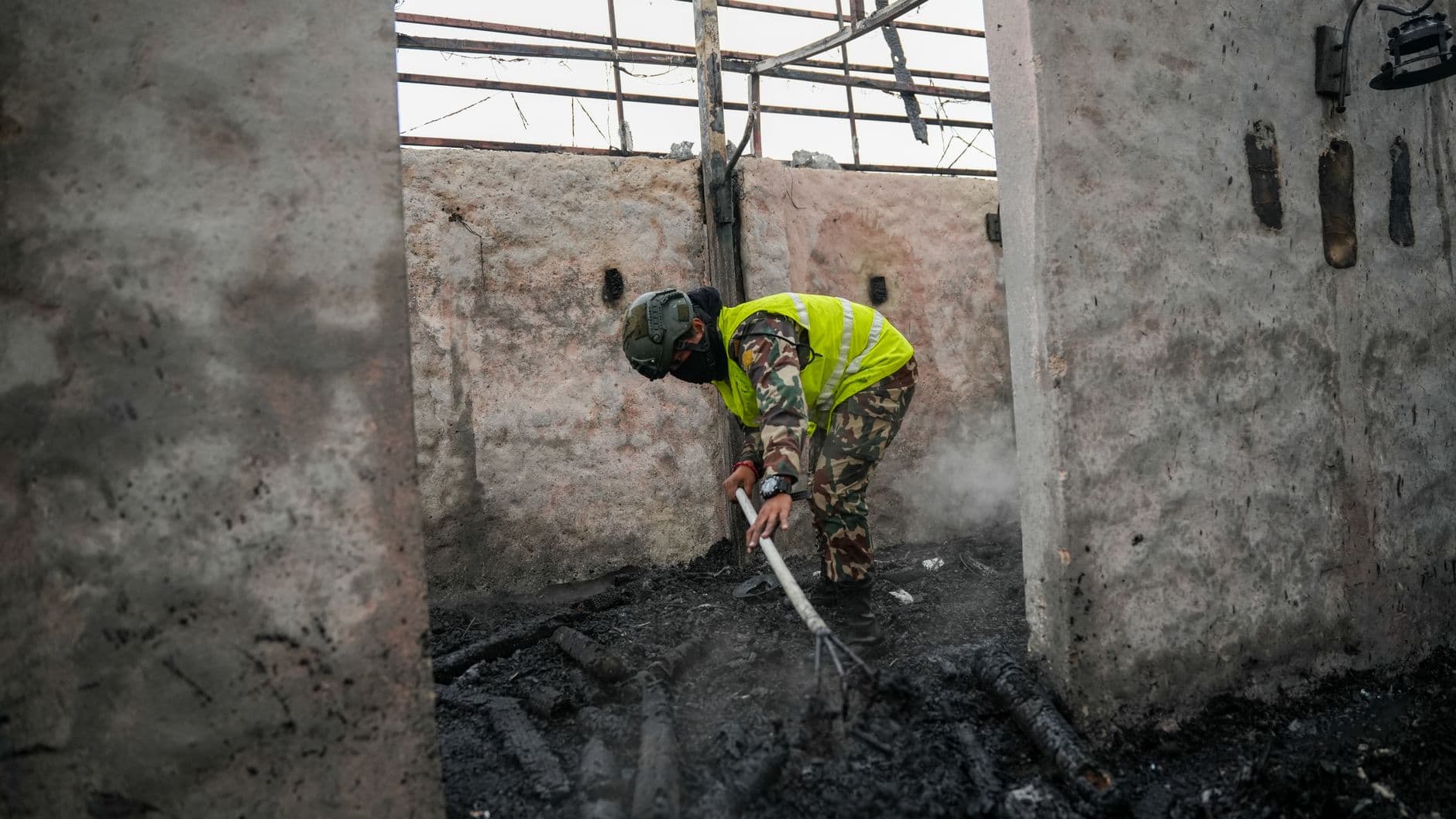
Kantamanto’s rebuild has become a brutal inventory of fashion’s excess. After the January 1, 2025 fire tore through the market, traders in Accra were left trying to restore West Africa’s biggest secondhand-clothing hub while the volume of low-grade castoffs kept arriving, bale after bale, in a system built to export disposal costs south.
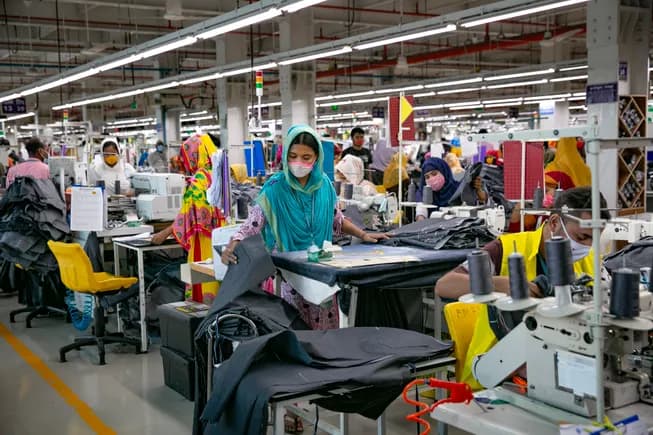
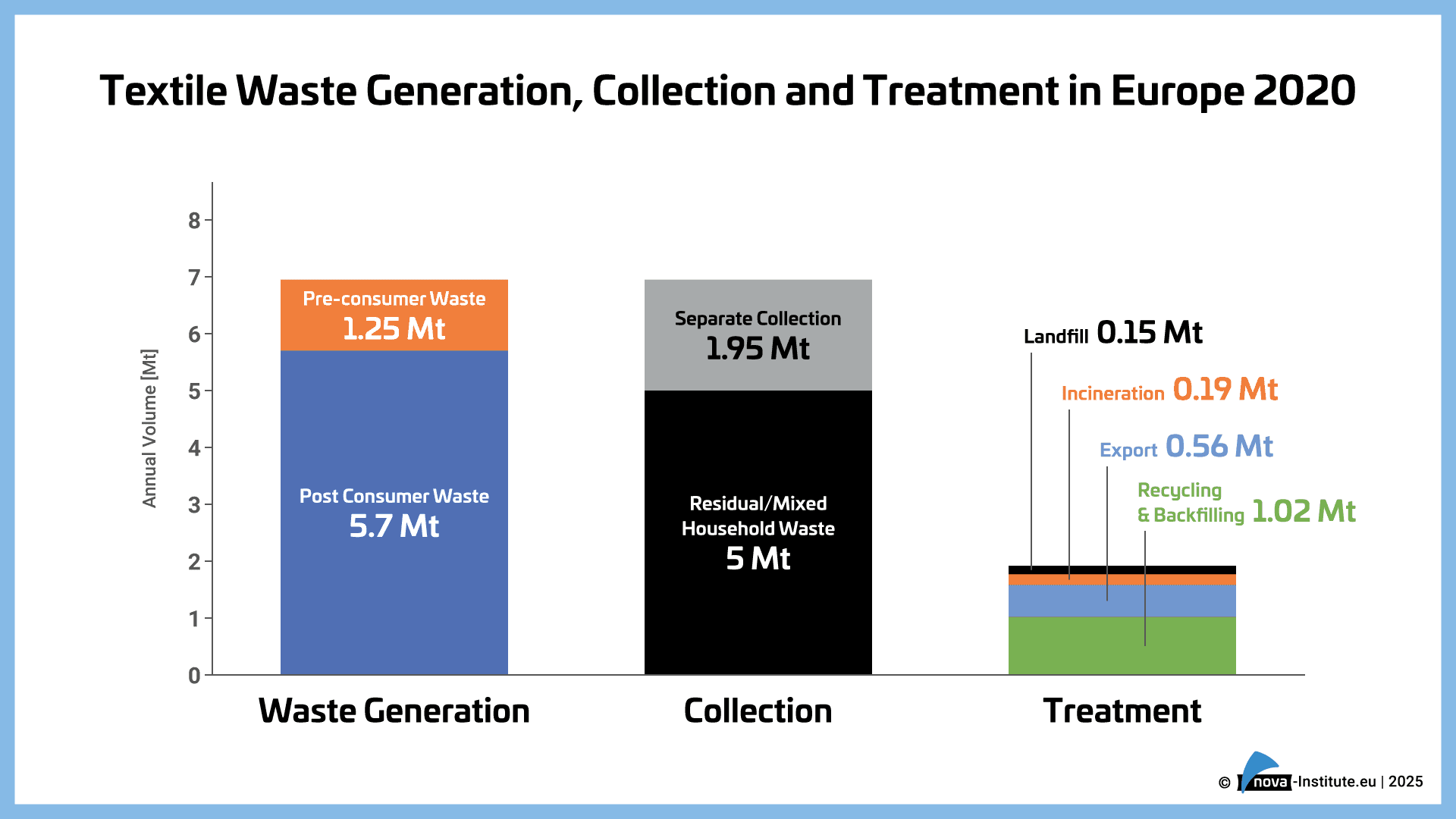
The scale is hard to dress up. Kantamanto spans about 42 acres and receives roughly 15 million garments a week, with about 40% of each bale ending up as waste. The Or Foundation says the community spends more than $300 million a year on bales, and more than half of that goes straight back to Global North exporters. TIME reported that Ghana imported $214 million worth of used clothing in 2021, while the market handles about 225,000 tons a year. In a place where a shirt can arrive already dead on arrival, the problem is not charity. It is overproduction, poor sorting, and the way brands and exporting countries push the costs of their surplus onto reuse economies that are expected to absorb the overflow.

The fire exposed how fragile that ecosystem already was. The Or Foundation committed $1 million in immediate emergency relief on January 3, 2025, and by January 15 it said 6,547 names had been digitized for direct relief distribution. That relief effort sits alongside the group’s Secondhand Solidarity Fund, while the community continues working with the Accra Metropolitan Assembly to haul textile waste to a sanctioned dumpsite. Rebuilding here is not just about replacing stalls. It is about keeping a trading system intact while the market’s margins are being shredded by garments with little resale value.

The human toll is equally sharp. The Or Foundation reported that 73% of retailers in a pre-fire health survey said air quality hurt their health, and 53% of participants in its healthcare outreach program had hypertension. In Kantamanto, waste is not an abstraction or a sustainability talking point. It is dust in the lungs, pressure in the blood, and another layer of synthetic refuse that has to be sorted, stacked, and paid for.
What has emerged from the ashes is a demand for more leverage. The launch of the Kantamanto Obroniwawu Businesses Association, or KOBA, marked the market’s first unified business association, a bid for stronger organization, better bale quality, and a single voice in a trade that has long treated the market as a pressure valve. UNEP’s Circularity and Used Textile Trade Project, centered on Kantamanto as Ghana’s epicenter of the used textiles trade, is now working to differentiate used textiles from textile waste. That distinction may decide whether the market becomes a model of circularity or remains the place where fashion’s surplus is dumped, counted, and left to burn again.
This article was produced by Prism’s automated news system from verified source data, official records, and press releases, then run through automated quality and moderation checks before publishing. The system is built and supervised by the people who set the standards it runs under. Read our full AI policy.
Did this article answer your question?