Kappahl buys majority stake in Arkivet to expand circular fashion
Kappahl took a majority stake in Arkivet, betting on six Swedish stores, a 400,000-garment flow and digital consignment to make resale a retail engine.
Kappahl Group moved to turn resale from a side project into part of its core business on June 30, 2026, when it agreed to buy a majority stake in Swedish second-hand specialist Arkivet. The companies did not disclose the size of the stake or the transaction value, but Kappahl is buying a circular platform with stores, inventory flow and a digital sales system already in motion.
Arkivet brings six Swedish stores in Stockholm, Gothenburg and Malmö, including locations at Sergel, Vasastan, Östermalm, Järntorget, Kungsgatan and Malmö, plus a consignment model that handles about 400,000 garments a year. It launched a digital platform for consignment sales in spring 2023.
The purchase fits Kappahl's strategy to build a family of strong brands that develop independently while sharing group resources. Elisabeth Peregi, Kappahl Group’s president and chief executive, said the company was strengthening its position in circular fashion and taking another step toward “a more responsible world of fashion.”
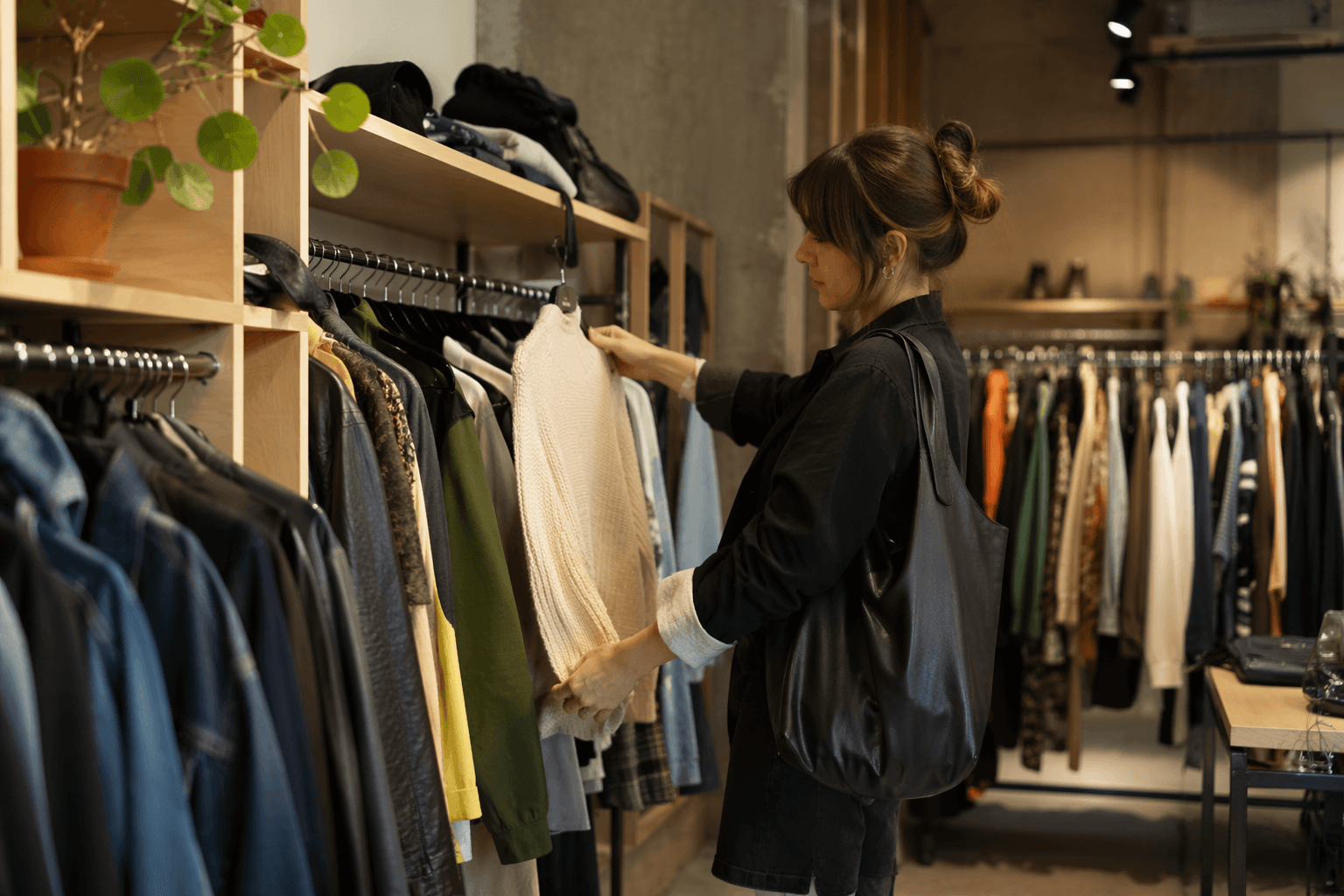
Caroline Hamrin's family roots for Arkivet go back to her grandmother Sonia’s second-hand shop in Sundbyberg in the 1980s, before the first Arkivet store opened in Stockholm’s Vasastan in 2017. The chain has grown into a modern resale format focused on women’s clothing, shoes, bags and accessories for environmentally and fashion-conscious customers. Martin Hallander, Arkivet’s chief executive, said Kappahl’s Nordic presence and brand-building experience made it the right partner, with the deal intended to make second-hand fashion more accessible while preserving Arkivet’s identity.
Kappahl's April 28, 2026 sustainability report put circular-business net revenue up 102 percent, second-hand sales more than 100 percent higher and around 100 stores offering second-hand products. Climate emissions fell 30 percent versus its 2022 baseline, and 99 percent of its products are made from lower-impact materials.
This article was produced by Prism’s automated news system from verified source data, official records, and press releases, then run through automated quality and moderation checks before publishing. The system is built and supervised by the people who set the standards it runs under. Read our full AI policy.
Did this article answer your question?