Kornit launches Atlas Matrix to scale polyester printing on demand
Kornit is betting Atlas Matrix can do for polyester what digital printing did for cotton: cut setup friction, hold color on hard-to-print fabrics, and make on-demand production viable at scale.

Kornit took Atlas MATRIX out of beta and into commercial use in Barcelona, turning a technical fix into a business pitch aimed squarely at polyester. Announced on May 19, 2026, ahead of FESPA 2026, the platform extends Kornit’s Atlas MAX PLUS workflow into cotton, polyester, blends and sublimated fabrics, with the goal of making lower-waste digital production workable on the fabrics that have long resisted it.
The company’s answer is Karbon Shield, a process built to tackle dye migration on deep-dyed and sublimated polyester, one of the nastiest problems in apparel decoration. Atlas MATRIX also supports direct printing and direct-to-film transfer, uses water-based Neopigment Eco-Rapid inks, and is designed for industrial output rather than boutique runs. Kornit says a single operator can run up to 150 impressions per hour on cotton and up to 98 on polyester, a speed claim that matters less as a marketing flourish than as a signal that the system is meant to live on production floors, not in showrooms.
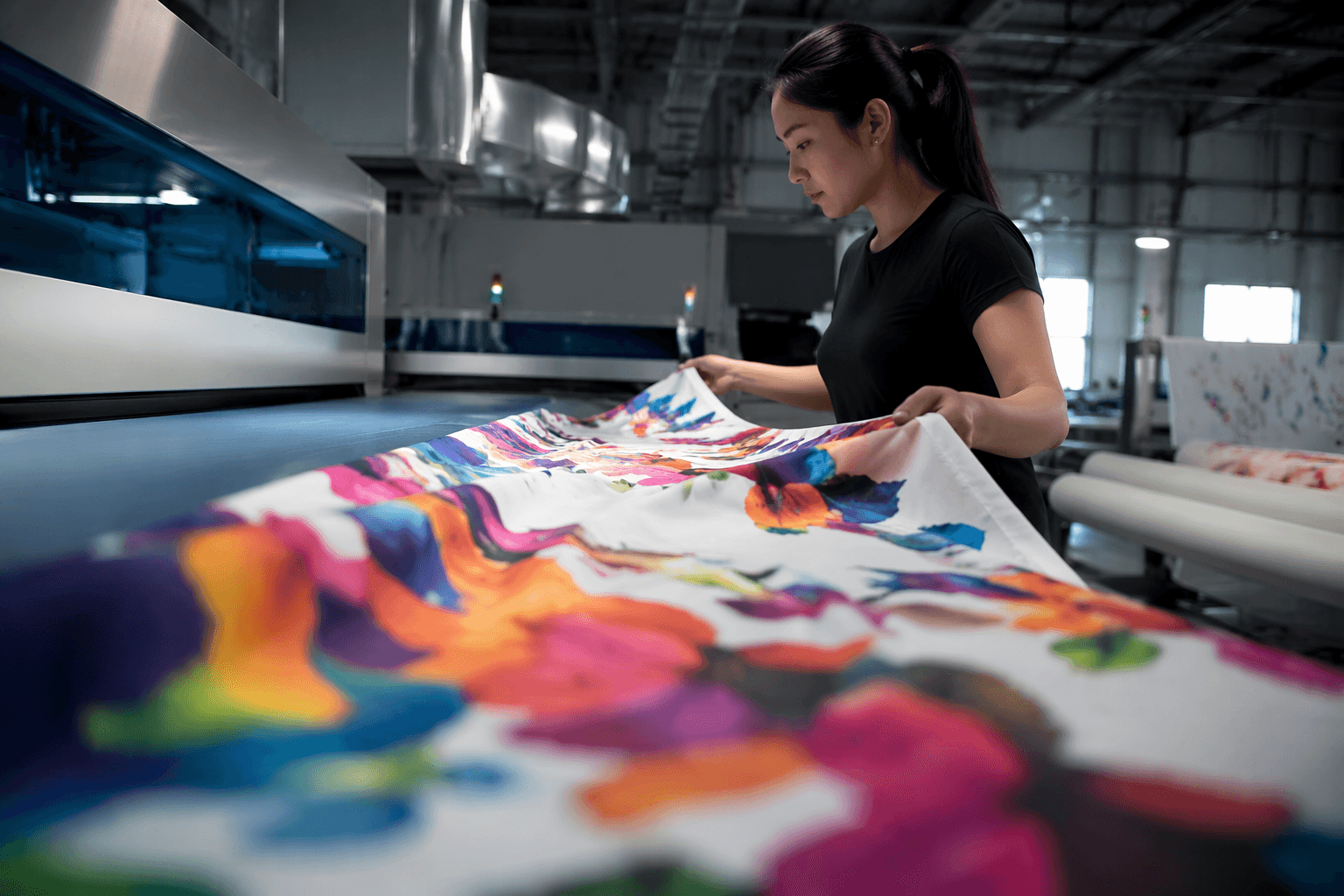
That is the real test here. Polyester and blends are where sportswear and athleisure live, but they are also where print quality can collapse if chemistry, heat and fabric construction are not tightly controlled. Kornit says Atlas MATRIX comes in neon and red-green configurations for different applications, which suggests it is chasing the color demands of performance apparel as much as the volume. For mills and brands, the practical appeal is not novelty. It is fewer setup headaches, less separation between fabric types, and a workflow that can move between cotton, polyester and blends without forcing the operation back to square one.
The scale of the opportunity is hard to ignore. Kornit’s own launch materials peg the global screenprinting market at about 14 billion impressions a year, with nearly 6 billion of those in runs below 1,000 units and about 30 percent in polyester and blended materials. That is exactly the territory where setup times, minimums and overproduction have made traditional printing expensive and wasteful. If digital can absorb more of that short-run business, the pressure to over-order stock should ease along with the pile of unsold samples.
Spread Group was among the global beta participants, and Frederik Huhn said the company is already shifting meaningful polyester production volumes to Atlas MATRIX. Kornit says early adopters reported better print quality, superior hand feel and simpler operations, while CEO Ronen Samuel points to a strong backlog of upgrade demand from the installed base and fresh demand from existing and new customers. The promise is clear: not just more synthetic-fiber output, but a cleaner way to make only what the market will actually wear.
This article was produced by Prism’s automated news system from verified source data, official records, and press releases, then run through automated quality and moderation checks before publishing. The system is built and supervised by the people who set the standards it runs under. Read our full AI policy.
Did this article answer your question?