Loop Industries backs Gujarat textile recycling plant with government support
Gujarat backed Loop’s 70,000-tonne textile recycling plant, a $165-170 million bet that hinges on feedstock quality, offtake and industrial logistics.
Loop Industries has pushed its India ambitions out of the pilot phase and into the hard mechanics of manufacturing. The company’s joint venture, Ester Loop Infinite Technologies Private Limited, signed a memorandum of understanding with the Government of Gujarat on May 19, 2026, to support development of its first large-scale commercial textile-to-textile recycling facility in the Bharuch industrial corridor.
The initial plant is designed for about 70,000 tonnes a year, with a second 100,000-tonne facility planned for the same site. Loop says the 93-acre parcel near Surat, the city it calls India’s synthetic textile capital, gives it enough room to build in stages. The company says the land purchase cost $10.5 million and trimmed roughly $5 million from the project estimate, bringing the initial India facility to about US$165 million to US$170 million, down from about US$190 million. Public reporting on the MoU also puts the proposed investment at Rs 1,600 crore, with commercial operations targeted for 2028 and about 500 jobs expected.
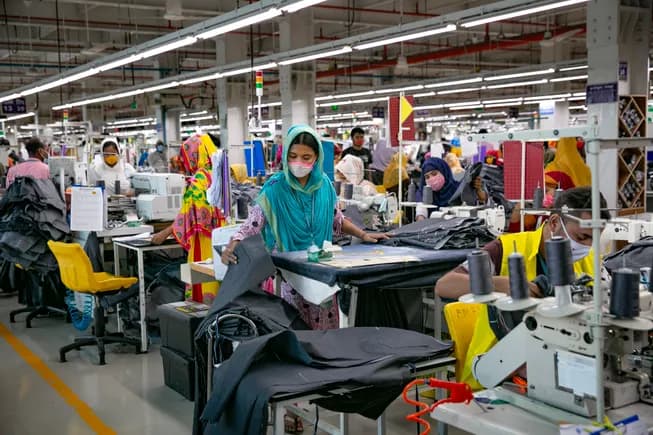
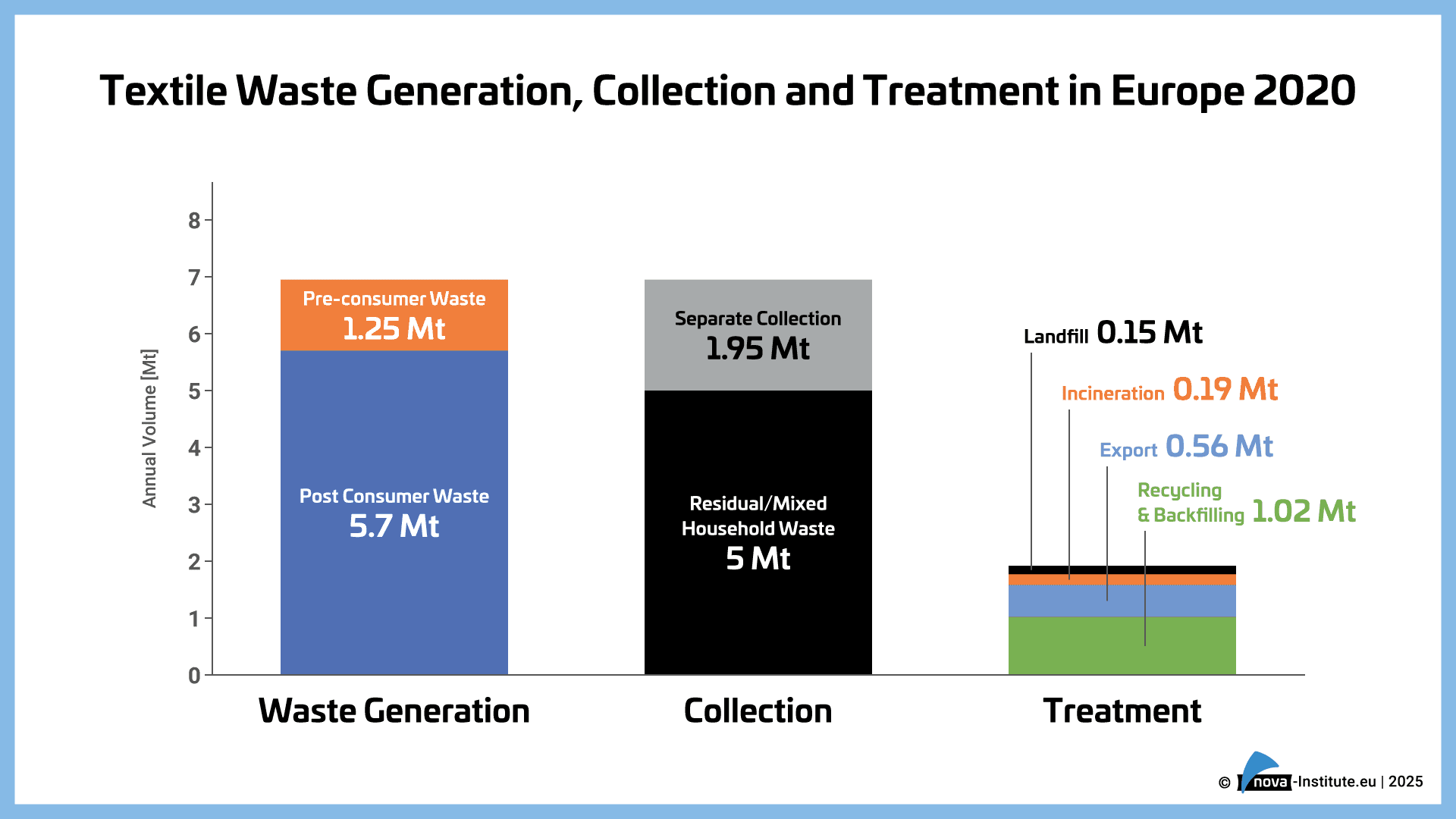
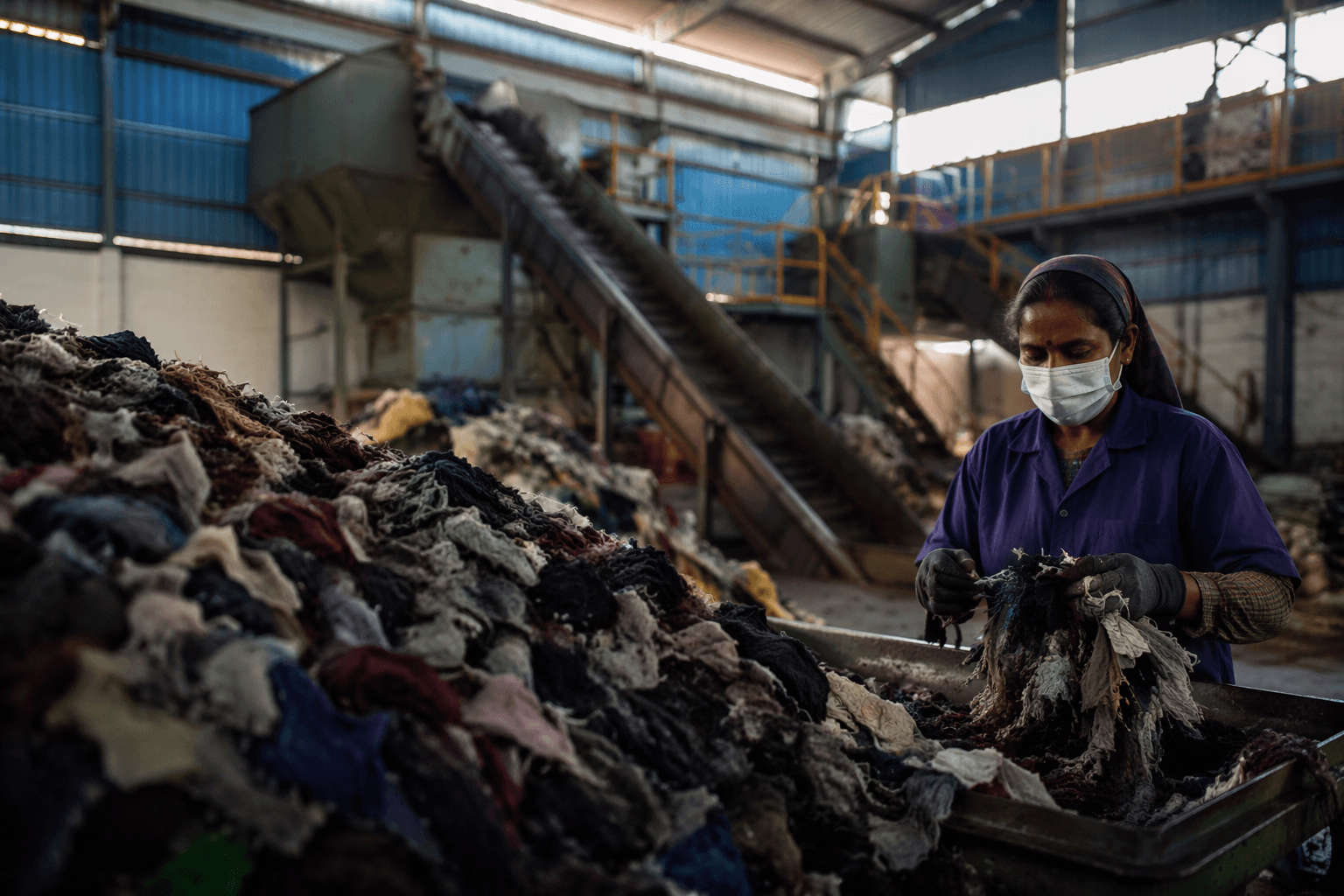
The real test is not the ribbon-cutting language around circularity. It is whether Gujarat can supply enough polyester waste of consistent quality, and whether mills, brands and fiber buyers will actually take the recycled output at scale. Loop says the site sits close to Surat, which should help with feedstock access, and the plant is meant to produce 100% recycled PET resin and polyester fiber from waste polyester feedstocks in India. That is the missing middle in textile recycling: sorting, cleaning, depolymerizing and then winning commercial buyers that want virgin-quality performance, not just a sustainability story.
Loop is trying to make that case with industrial infrastructure rather than theory. The company says the plant could run on 80% clean, renewable electricity and renewable biofuel, and that its PET resin could cut carbon emissions by up to 80% versus virgin petroleum-based PET. The India venture is a 50/50 partnership with Ester Industries Ltd., and Loop points to its Terrebonne, Quebec depolymerization facility, which it says has operated for five years, as proof that the chemistry can move beyond the laboratory.
The Bharuch site also sits inside a Petroleum, Chemicals and Petrochemicals Investment Region, where permitting, labor and infrastructure may move faster than in a greenfield textile zone. That matters because textile-to-textile recycling succeeds only when waste supply, plant uptime, energy, transport and offtake line up at once. For Loop, Gujarat is now the stage where those promises either become industrial reality or remain, like so many circular-fashion proposals, beautifully scaled in theory.
This article was produced by Prism’s automated news system from verified source data, official records, and press releases, then run through automated quality and moderation checks before publishing. The system is built and supervised by the people who set the standards it runs under. Read our full AI policy.
Did this article answer your question?