Louis Vuitton unveils Regeneration 2030 plan to restore ecosystems, cut water use
Louis Vuitton is betting on restoration, not just restraint. Its new plan targets 1 million hectares of ecosystems and a sharper push on water use.
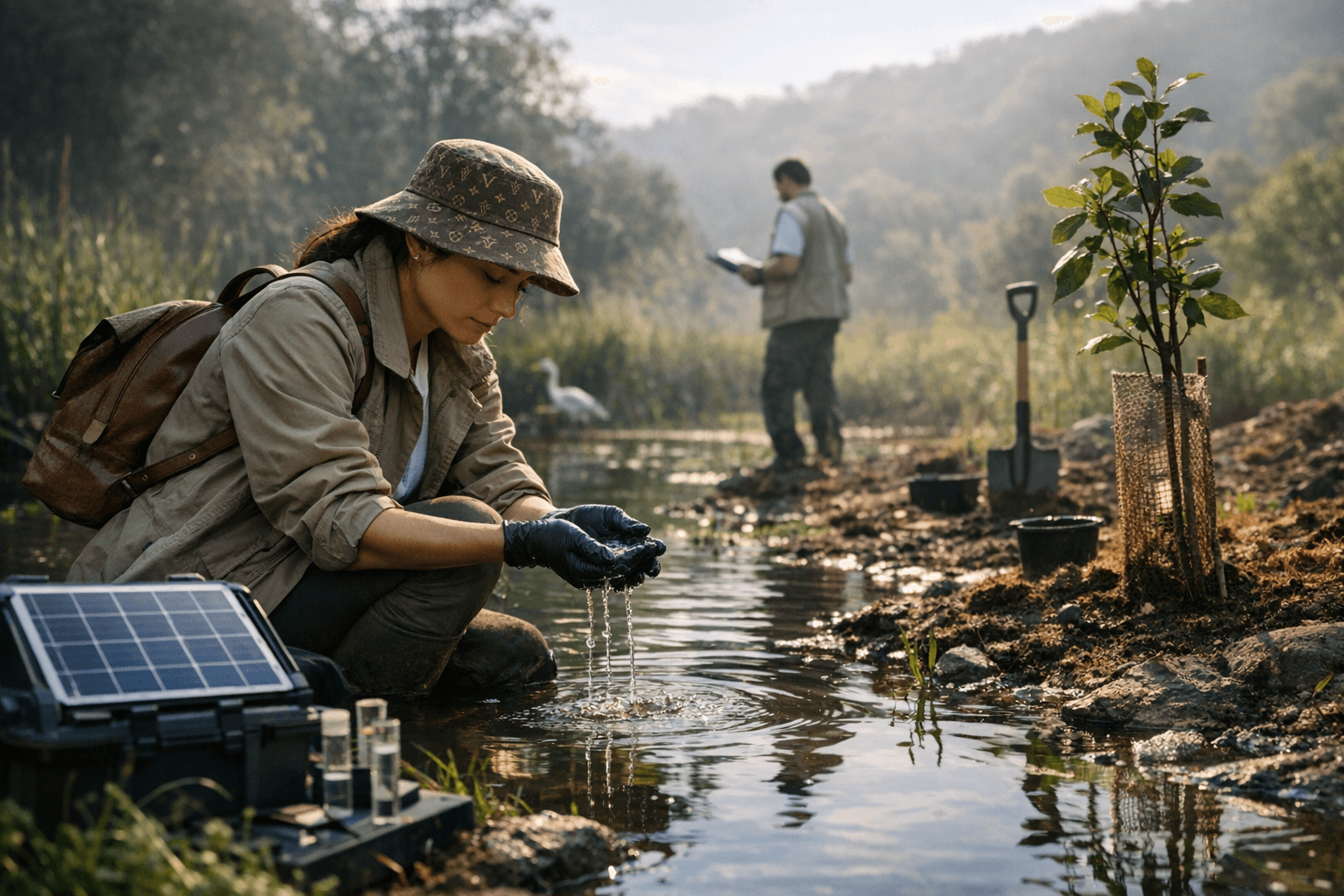
Louis Vuitton is pushing its sustainability story beyond the familiar language of less, lower and reduced. The maison’s Regeneration 2030 plan puts restoration at the center, with a goal to help restore 1 million hectares of ecosystems globally by 2030 and a renewed focus on water conservation, regenerative agriculture and circular design.
That is a more ambitious pitch than the standard luxury playbook of impact reduction. Christelle Capdupuy, Louis Vuitton’s sustainable-development director, framed the shift as a move toward a regenerative model rather than simply limiting harm. The question for the industry is whether that language marks a real operational turn or a more elegant rebranding of goals luxury groups already know how to publish.
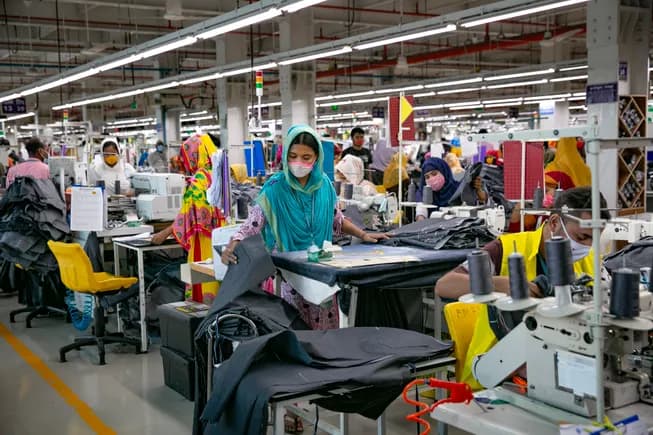
The scale matters. Louis Vuitton says more than 90 percent of its raw materials, including leather, cotton, wool and silk, come from natural resources, which leaves the brand exposed to climate, biodiversity and water stress across its supply chain. In a sector where the feel of a handbag or the drape of a coat starts with the sourcing of hides, fibers and finishes, that dependence makes ecosystem health a business issue, not a philosophical one.
Louis Vuitton’s new plan builds on LVMH Moët Hennessy Louis Vuitton’s LIFE 360 roadmap, launched in 2021 with targets for 2023, 2026 and 2030. LVMH added a water strategy in 2023 and says its environmental framework now rests on creative circularity, biodiversity, climate, traceability and transparency. The group also has a target to reduce its overall water consumption footprint by 30 percent by 2030.
There is some hard evidence behind the polish. LVMH’s 2023 circularity update said Louis Vuitton repairs about 600,000 products a year, a reminder that luxury durability can be more than a marketing line when a house builds repair into its service model. The group has also tied biodiversity to geography, not just aspiration: a five-year Louis Vuitton partnership with People For Wildlife covers 400,000 hectares on Cape York Peninsula in Queensland, Australia, and feeds into LVMH’s broader aim to preserve five million hectares of natural habitats by 2030, alongside UNESCO biosphere reserve projects.
The newest plan lands at a moment when luxury is under pressure to prove it can do more than narrow its footprint. LVMH, which reported 2024 revenue of €84.7 billion, has the scale to influence sourcing, restoration and repair far beyond a single label’s atelier. Regeneration 2030 will be judged not by the sheen of the name, but by whether its water, habitat and circularity targets show up where fashion’s supply chain is actually most vulnerable.
This article was produced by Prism’s automated news system from verified source data, official records, and press releases, then run through automated quality and moderation checks before publishing. The system is built and supervised by the people who set the standards it runs under. Read our full AI policy.
Did this article answer your question?