LVMH sets human rights charter across 75 brands, names oversight chief
LVMH has turned its human-rights language into a groupwide charter, with Julie Vallat now tasked with making 75 brands follow it.
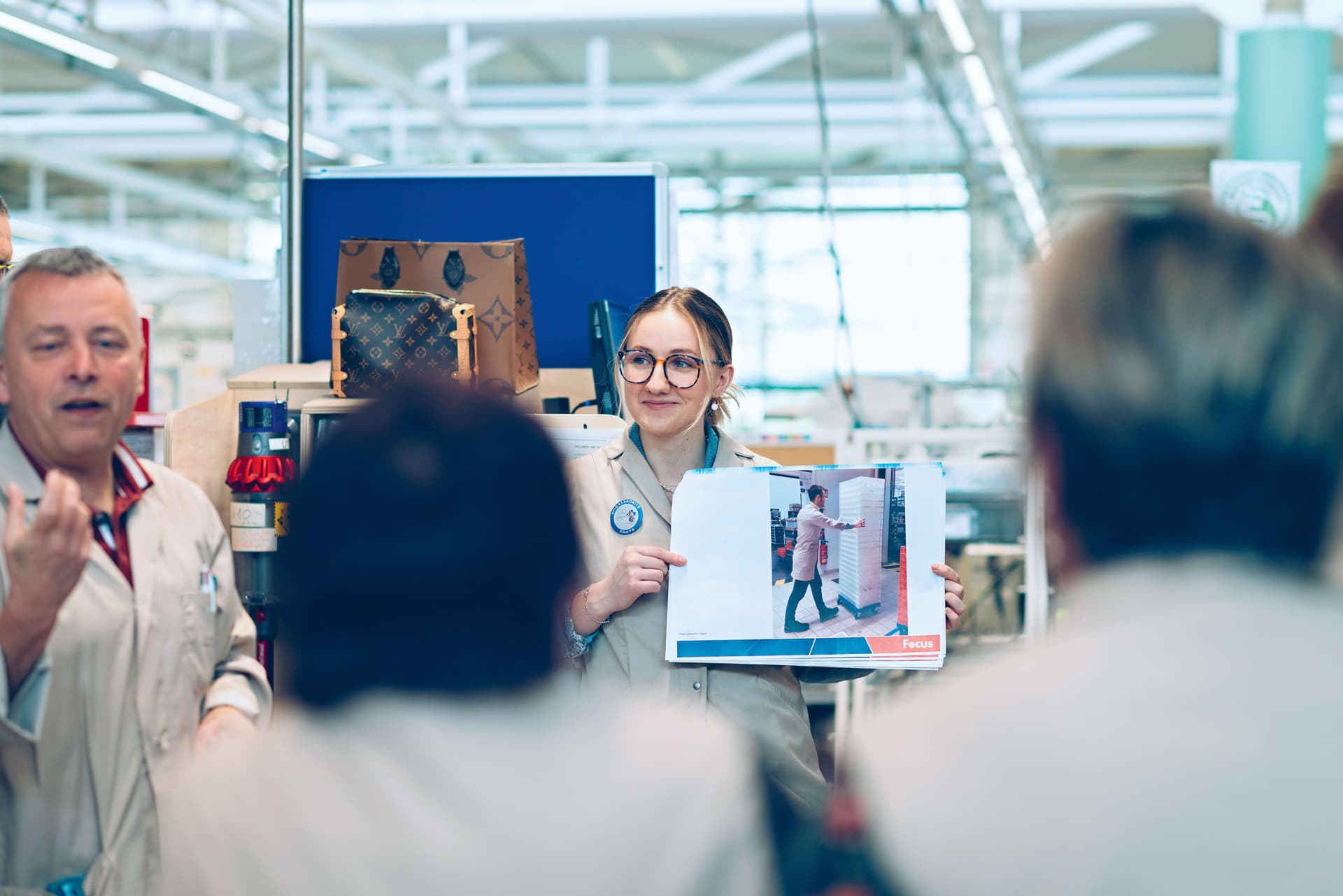
LVMH finally put its human-rights playbook into a formal charter that applies in every country where the group operates, and it paired the move with a new vice president, human rights, Julie Vallat, to push it through roughly 75 brands, from Dior and Louis Vuitton to Tiffany & Co. and Sephora.
The new charter, published in May 2026, is not just another glossy ESG promise. It covers labor conditions, discrimination, harassment, cultural appropriation, environmental protections and conduct in conflict-affected areas. LVMH says it is grounded in international conventions, including the International Bill of Human Rights, and it says respect for human rights is both an ethical imperative and a prerequisite for the long-term sustainability of its business. It also reinforces protections for personal data as cyberattacks rise, which matters in a group whose customer files, clienteling systems and loyalty data sit at the center of the luxury experience.

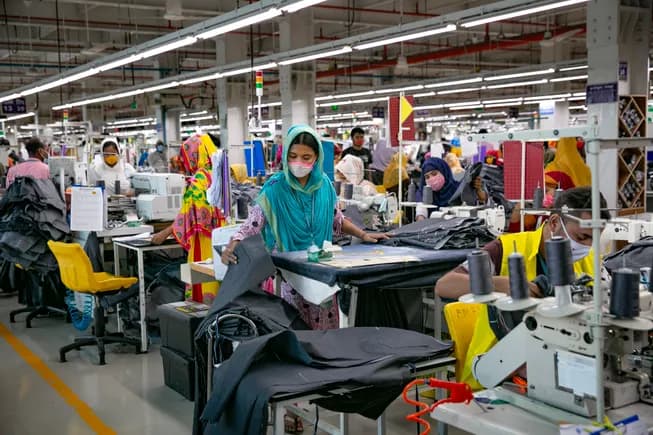
The real question is whether this becomes operating discipline or just cleaner corporate language. Luxury has spent the last two years getting bruised by supply-chain scandals, and that is where this charter gets tested first: in workshops, tanneries, subcontracted suppliers and the gray zones where labor abuses can be hidden behind pristine storefronts. LVMH already says suppliers and business partners must follow its Supplier and Business Partner Code of Conduct, available in 25 languages, so the pressure now is not whether the rules exist, but whether the new human-rights framing forces harder oversight, faster escalation and real consequences when a vendor fails.
Vallat arrives with a résumé built for exactly that job. She joined LVMH at the end of April 2026 after serving as vice president, human rights at L’Oréal since 2019, and before that she was head of human rights at Total. She reports to Olivier Théophile, group senior vice president, social engagement, and will be backed by a Human Rights Council made up of experts from the public, private and nonprofit sectors. That external layer is smart, and frankly overdue; if LVMH wants to look less like it is writing its own report card, independent advice is the minimum move.
This also fits into a broader tightening of the group’s governance posture. LVMH said its 2024 responsibility reporting included a revised Code of Conduct and a new Anti-Corruption Charter, and its latest 2025 social and environmental responsibility report says sustainability is now fully embedded in strategy. The numbers are meant to do some heavy lifting: nearly 19,000 internal moves, 82% of employees trained, 50% of key positions held by women, more than 4.3 million hectares of natural habitats preserved or regenerated, and carbon-reduction targets validated by the Science Based Targets initiative. In other words, LVMH is no longer just talking ESG. It is trying to turn it into a hierarchy, a reporting line and, eventually, a rulebook with consequences.
This article was produced by Prism’s automated news system from verified source data, official records, and press releases, then run through automated quality and moderation checks before publishing. The system is built and supervised by the people who set the standards it runs under. Read our full AI policy.
Did this article answer your question?