Martan wins Global Fashion Agenda’s Recycle the Runway competition
Martan turned discarded hotel linen into a prize-winning circular proposal in Copenhagen, but the real test is whether that waste stream can scale.

Martan’s idea is elegant because it begins with what the fashion industry usually throws away. The Amsterdam label makes high-end ready-to-wear from discarded hotel linen, and that material choice gives circular design a sharper edge than abstract sustainability talk ever could. The question is not whether the concept is clever. It is whether a brand built on reused hospitality textiles can keep that same polish once it has to grow beyond a competition stage.
That question landed with force on May 7 at Global Fashion Summit: Copenhagen Edition 2026, held at the Copenhagen Concert Hall after a three-day run from May 5 to May 7. Global Fashion Agenda and Visa named Martan the Grand Prize Winner of Recycle the Runway, the program’s top distinction, after selecting 15 winners in total. Five of those winners became Prize Winners, and Martan received an extra EUR 10,000 on top of the EUR 10,000 Prize Winner award, bringing total support to EUR 20,000. The package also included coaching, mentorship, co-creation support with solution providers, promotional opportunities and industry recognition.

The scale of the summit gave the win a wider industrial backdrop. Global Fashion Agenda said the 2026 edition brought together more than 1,000 stakeholders from brands, retailers, NGOs, policymakers, manufacturers, innovators and adjacent industries. The jury reflected that cross-sector ambition, with Gemma Styles, Laura Ingham of Vogue, Kirsty Keoghan of eBay, Shailja Dubé of the British Fashion Council and Philip Konopik of Visa Europe among those making the selections.
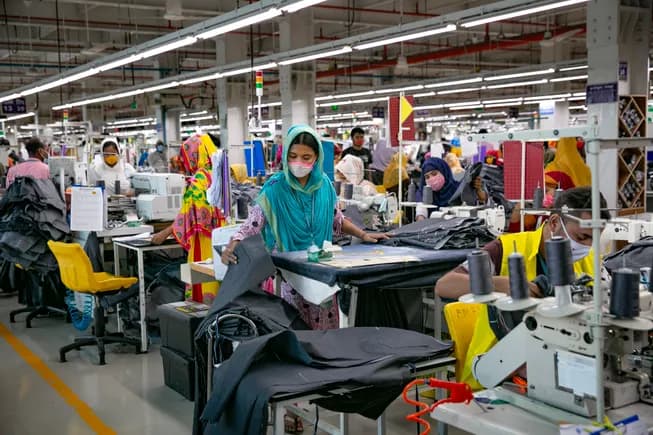
Martan’s model stands out because it tackles circularity at the level of material input, not just end-of-life messaging. Reused hotel linen offers a clear waste stream and a visible story, but it also comes with production constraints that are easy to overlook from the runway: supply can be uneven, fabric quality can vary, and the brand has to keep garments looking intentional rather than improvised. That is where many prize-winning circular ideas stall, strong in concept but fragile in operations.
The tougher test for Martan is whether it can turn a compelling reuse story into a repeatable business model. To scale, the label will need reliable access to suitable hotel linen, a production system that can handle variable material, and a commercial structure that does not depend on one-off attention from a summit jury. If Martan can preserve its design quality while solving those practical constraints, the brand could become more than a showcase project. It could become a working template for how circular fashion actually survives outside the applause.
This article was produced by Prism’s automated news system from verified source data, official records, and press releases, then run through automated quality and moderation checks before publishing. The system is built and supervised by the people who set the standards it runs under. Read our full AI policy.
Did this article answer your question?