Milan Fashion Week to discourage fur in 2026 runway shows
Milan is turning fur into a liability, not a runway star. The real test is whether buyers and sponsors treat “discouraged” as the same thing as gone.
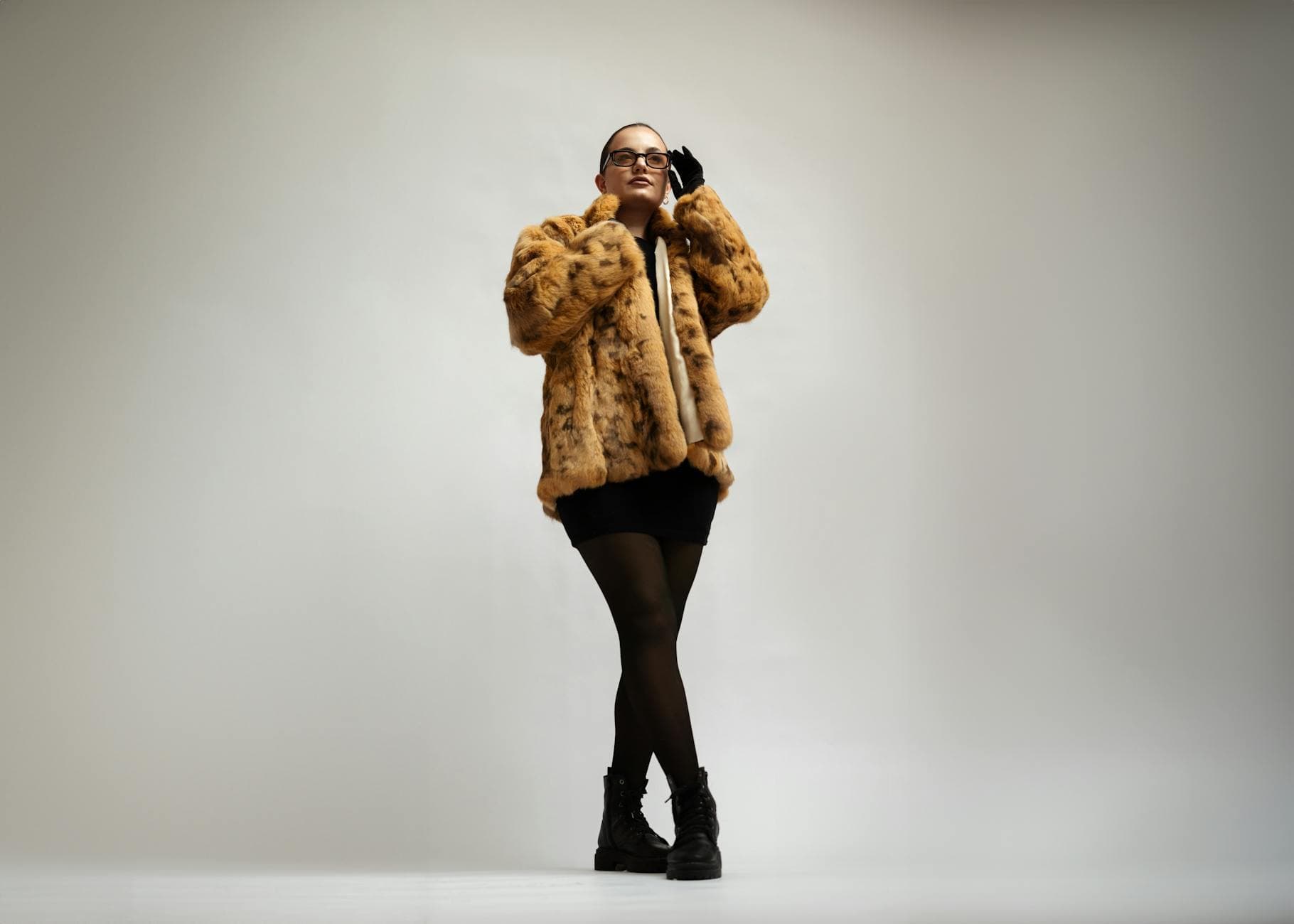
Milan Fashion Week is making fur harder to defend, but not yet impossible to show. Camera Nazionale della Moda Italiana will introduce voluntary guidelines for the September 2026 runways that invite brands not to present garments, accessories or other items made with animal fur, while stopping short of a ban and preserving each label’s creative and business autonomy.
That distinction is the whole story. CNMI is framing the move as an extension of its Sustainability Manifesto and Ethical Code, and as part of a longer push for responsibility that Carlo Capasa says the association has carried for more than a decade. The body also credited LAV, Collective Fashion Justice and Humane World for Animals for years of collaboration. Yet the policy leaves a familiar loophole wide open: fur is still allowed in collections outside Milano Fashion Week, which means the pressure is reputational and commercial rather than absolute.
The timing is impossible to ignore. Italy banned fur farming for good on January 1, 2022, after a temporary COVID-linked suspension, and Eurogroup for Animals said the country’s farms had killed more than 60,000 minks a year before the ban. On the European level, the Fur Free Europe citizens’ initiative gathered more than 1.5 million valid signatures by June 2023, and the European Commission issued its response on December 7, 2023. Then, in March 2026, Politico reported that the Commission was leaning toward stricter species-specific welfare standards for mink, foxes, raccoon dogs and chinchillas instead of an EU-wide ban, a signal that campaigners saw as a setback.
Milan’s move also lands after sustained activist pressure. FashionUnited reported 14 planned anti-fur protests during Milan Fashion Week in February and March 2026, with additional daily actions outside CNMI events. Activists targeted a sustainability panel at Bocconi University and Fendi’s runway show, while CAFT said the campaign had already cost CNMI partnerships with Wella and DHL. That is the enforcement gap in plain sight: once sponsors, editors and buyers begin treating “discouraged” as commercially embarrassing, the policy starts to work like a ban even when it is not one.
Milan is not acting alone. The Council of Fashion Designers of America said New York Fashion Week would stop promoting animal fur and would not permit animal fur in collections on the official schedule beginning with September 2026, while the British Fashion Council’s ban on fur and wild-animal skins at London Fashion Week took effect in early 2025. For brands still using fur, the question is no longer whether the argument sounds old-fashioned. It is whether the largest fashion capitals are making fur too costly, too visible and too out of step to keep on the calendar.
This article was produced by Prism’s automated news system from verified source data, official records, and press releases, then run through automated quality and moderation checks before publishing. The system is built and supervised by the people who set the standards it runs under. Read our full AI policy.
Did this article answer your question?