Mumbai launch targets 20,000 kilos of used clothes for upcycling
Mumbai’s new upcycling drive wants 20,000 kilos of castoff clothing, tying wardrobe waste to women’s livelihoods and a circular fashion push.
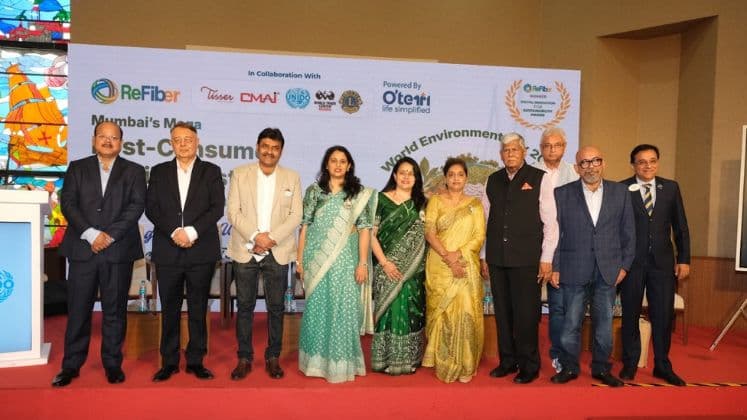
The most compelling sight in Mumbai’s latest sustainability push is not a runway sample or a glossy campaign image, but the ordinary clothes already waiting for a second life. The Mega Used Clothes Upcyclon set out to gather about 20,000 kilograms of used clothing and household textiles, then move that material into reuse, upcycling and recycling rather than the bin.
A coalition led by the Clothing Manufacturers Association of India, with UNIDO, ReFiber, OterRi, Tisser, World Trade Center Mumbai and Lions International, launched the nationwide consumer awareness and collection drive on World Environment Day, 5 June 2026. CMAI’s June 1 circular invited members to the Peacock Room at the MVIRDC World Trade Centre in Mumbai at 10 a.m., followed by lunch, a tidy schedule for an initiative that wants to be anything but ceremonial.
CMAI framed the project as a landmark circular textile economy initiative, and the scale matters because the waste problem already dwarfs most local fixes. UNEP says the world produces 92 million tonnes of textile waste every year, textile production doubled from 2000 to 2015, and garment use fell by 36 per cent. Even in 2023, only 8 per cent of textile fibres came from recycled sources, a number that makes any serious collection drive look less like branding and more like triage.
India’s own textile economy makes the Mumbai launch especially pointed. A Ministry of Textiles report published in February 2026 says textile waste is central to the sector’s future competitiveness. GIZ places India as the world’s second-largest textile and apparel producer and the largest cotton textile producer, while estimating that 900,000 tonnes of textile cutting waste are generated annually in manufacturing and that 73% of textile waste ends up in landfills.
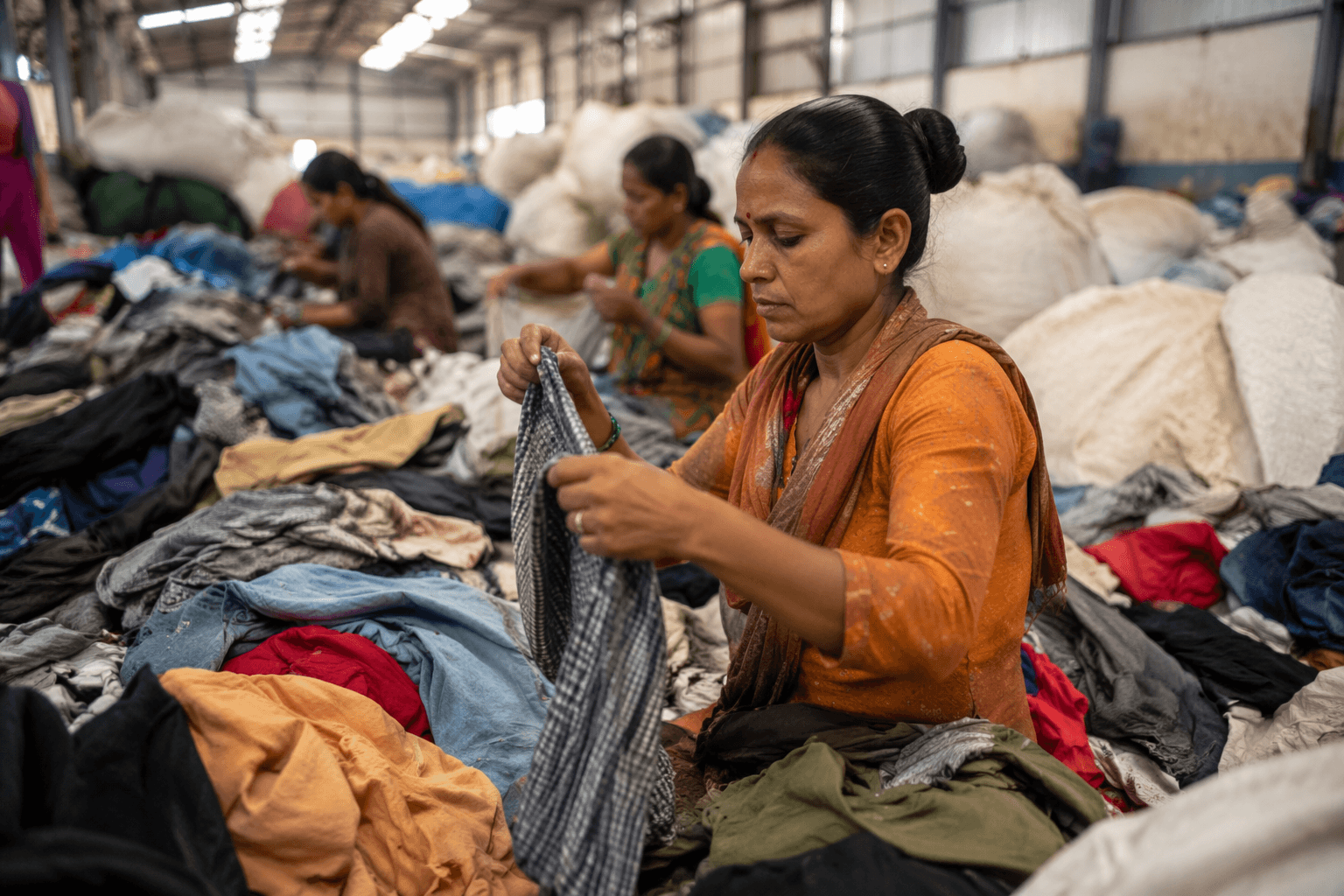
The human side of the initiative is equally important. CMAI said Tisser works with 20,000 women, and that about 20,000 kilograms of used clothes would be donated for upcycling. That is where circular fashion stops being a slogan and starts resembling work: sorting, mending, remaking, and finding markets for pieces that once looked finished.
Mumbai also has a useful precedent. The Union Ministry of Textiles and Navi Mumbai Municipal Corporation introduced a consumer textile recycling pilot in 2024, a sign that India’s circular-fashion conversation is moving from theory into civic infrastructure. For the Mega Used Clothes Upcyclon to become more than a World Environment Day flourish, it will need the steady mechanics of collection, sorting and resale to match the ambition of its launch.
This article was produced by Prism’s automated news system from verified source data, official records, and press releases, then run through automated quality and moderation checks before publishing. The system is built and supervised by the people who set the standards it runs under. Read our full AI policy.
Did this article answer your question?


