New policy agenda targets circularity gap in bio-based materials
Bio-based fabrics are still being regulated like simple fossil swaps, even as only 0.3% of the textile sector’s 3.25 billion tonnes comes from recycled sources.

The big failure in bio-based fashion policy is not chemistry, it is design. Rules still reward a material for being plant-based, timber-based or otherwise non-fossil, while saying far too little about whether it can be reused, recycled or kept out of waste in the first place.
That is the core argument in the Ellen MacArthur Foundation’s Circular by Nature agenda, which says most bio-based materials are still produced and consumed in linear systems. The foundation looked across 13 national circular economy strategies and 18 bio-based materials policy frameworks worldwide, and the pattern is hard to miss: bio-based textiles, cotton, timber, natural fibres, rubber, leather and biochemicals are being pulled into climate talk without a serious circularity rulebook to match.

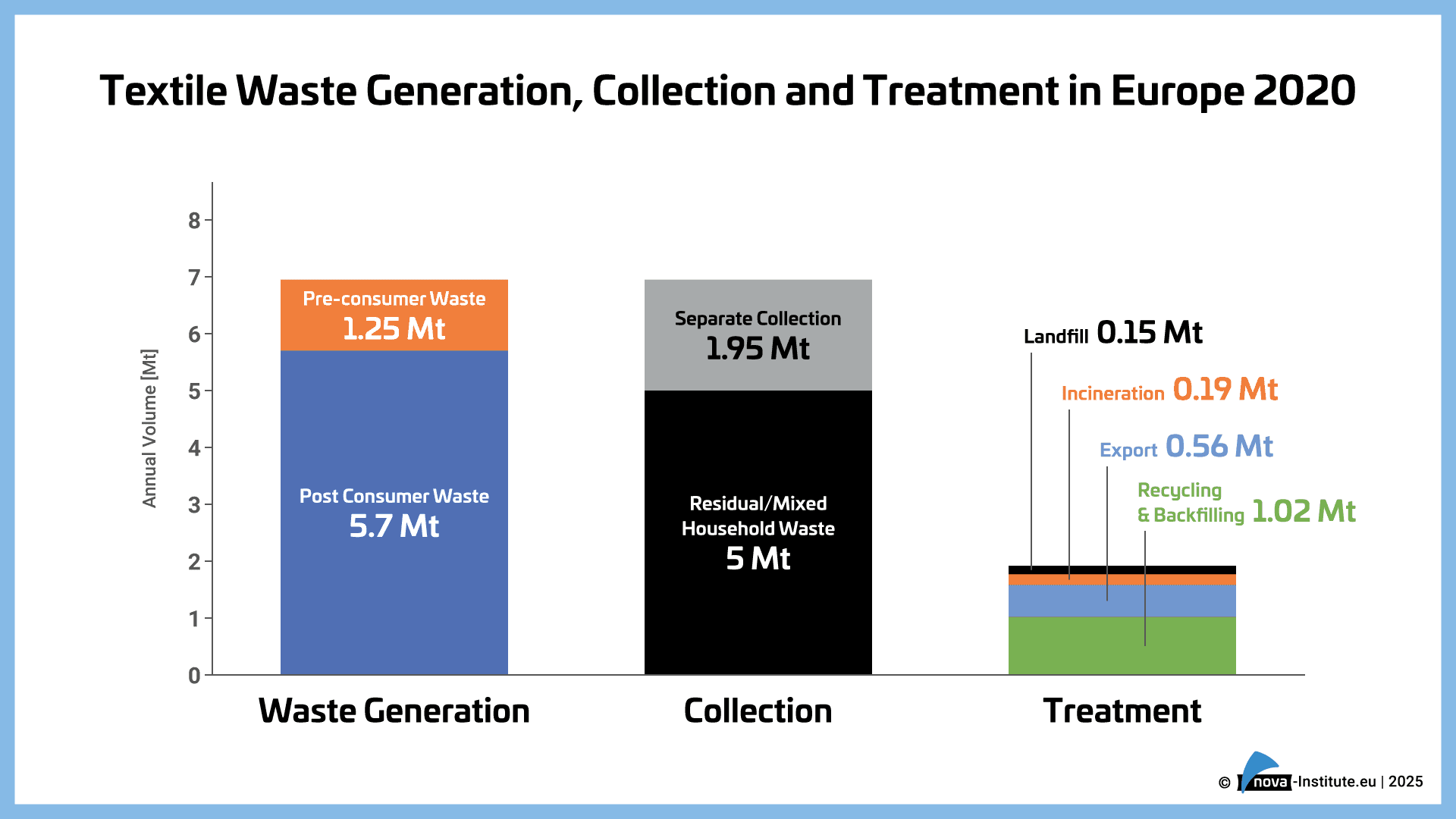
Europe’s own policy map explains why the gap keeps widening. The EU Bioeconomy Knowledge Centre says there is no policy dedicated only to bio-based textiles, only a patchwork touching raw material cultivation, production and marketing. That matters because textiles already sit high on the environmental hit list. The European Commission says EU consumption of textiles has, on average, the fourth highest environmental and climate impact after food, housing and mobility. Yet the sector is still governed as if origin alone is the story.
The numbers make the mismatch look even sharper. The Circularity Gap Report 2025 found that just 6.9% of materials entering the global economy in 2021 were secondary materials, and only 11.2% of materials leaving the economy were recycled. In textiles, the picture is uglier still: the Circularity Gap Report Textiles says only 0.3% of the sector’s 3.25 billion tonnes of annual material consumption comes from recycled sources, while fossil-fuel-based synthetic fibres still account for 70% of raw materials. That is not a transition. That is a system with better branding.
The policy shift now being pushed is blunt and overdue: stop regulating bio-based materials as if they are automatically circular, and start judging them by reuse, recyclability and waste outcomes. The European Textile Platform says the EU Bioeconomy Strategy and the Ecodesign for Sustainable Products Regulation are already creating momentum for bio-based and low-carbon materials, and an EU policy review says a Circular Economy Act is expected in 2026. If policymakers get this right, the next wave of bio-based fashion will be measured less by where it came from and more by whether it can survive the closet, the resale rack and the recycling bin.
This article was produced by Prism’s automated news system from verified source data, official records, and press releases, then run through automated quality and moderation checks before publishing. The system is built and supervised by the people who set the standards it runs under. Read our full AI policy.
Did this article answer your question?