Nobody’s Child debuts regenerative cotton collection with digital passports
Regenerative cotton is now part of Nobody’s Child’s sourcing test, with digital passports attached and organic cotton already making up about half its materials.
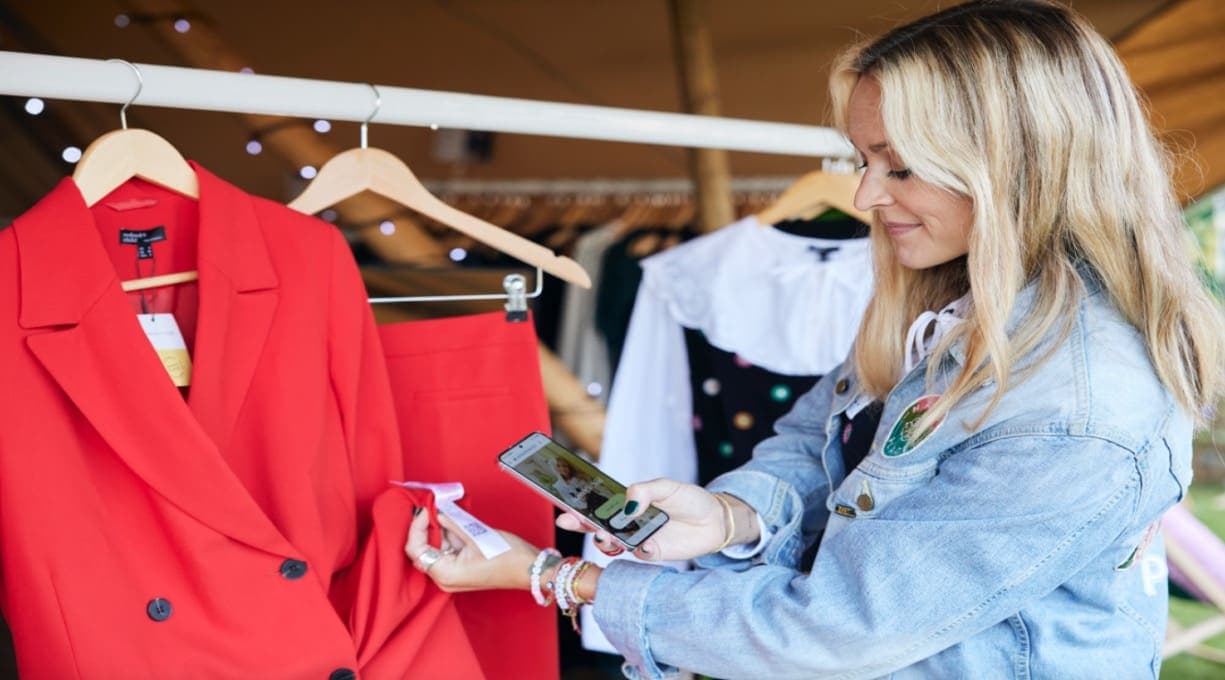
Nobody’s Child has pushed regenerative cotton beyond the language of good intentions and into the mechanics of how the brand actually buys fabric. The new collection, built around dresses and co-ords, arrives with Digital Product Passports on every piece, giving the launch a traceable backbone at the same time that it raises a bigger question: is this a real shift in procurement, or a polished proof point?
The cotton came from smallholder farms in rural India, working with regenerative agriculture specialist Materra, and the brand said its team visited those farms to better understand the people and practices behind the collection. That matters because Nobody’s Child is not starting from zero. With organic cotton already accounting for around half of its total material usage, the brand is already talking in percentages that imply scale, not novelty. The new regenerative line, then, looks less like a side project and more like a test of whether those sourcing habits can move further upstream.
What gives the story weight is the passport layer. Nobody’s Child said it began its Digital Product Passport journey in 2023, describing the passport as a digital record of a garment’s lifecycle, detailing materials, production, traceability and sustainability data. In practice, that means the collection is designed to be read, repaired, resold and recycled, not just worn and forgotten. The brand has said the wider aim is to become fully traceable and transparent, with DPPs set to roll out across its core collection from AW24 as European Union transparency rules edge closer.

That is where the collection becomes more interesting than a standard sustainability drop. The brand said the project is intended to build understanding of the farming systems, communities and supply chains behind its cotton sourcing, with the learnings expected to inform future product development. In other words, the value is not only in the fabric on the rail, but in whether those lessons change the next buying cycle, the next supplier relationship and the next order volume.
Nobody’s Child’s 2026 Digital Product Playbook says DPPs are heading our way in early 2027, and the brand has already framed them as part of a wider sourcing strategy rather than a one-off capsule. That is the right ambition. Regenerative cotton only counts for much if it starts changing how much the brand buys, who it buys from and how visible those decisions become.
This article was produced by Prism’s automated news system from verified source data, official records, and press releases, then run through automated quality and moderation checks before publishing. The system is built and supervised by the people who set the standards it runs under. Read our full AI policy.
Did this article answer your question?


