OLAF busts textile-waste scheme shipping mislabeled scraps to Turkey
OLAF seized 4,200 tonnes of textile waste routed from Italy to Turkey after it was mislabeled as recyclable. The case exposes how disposal costs can be dodged with paperwork.

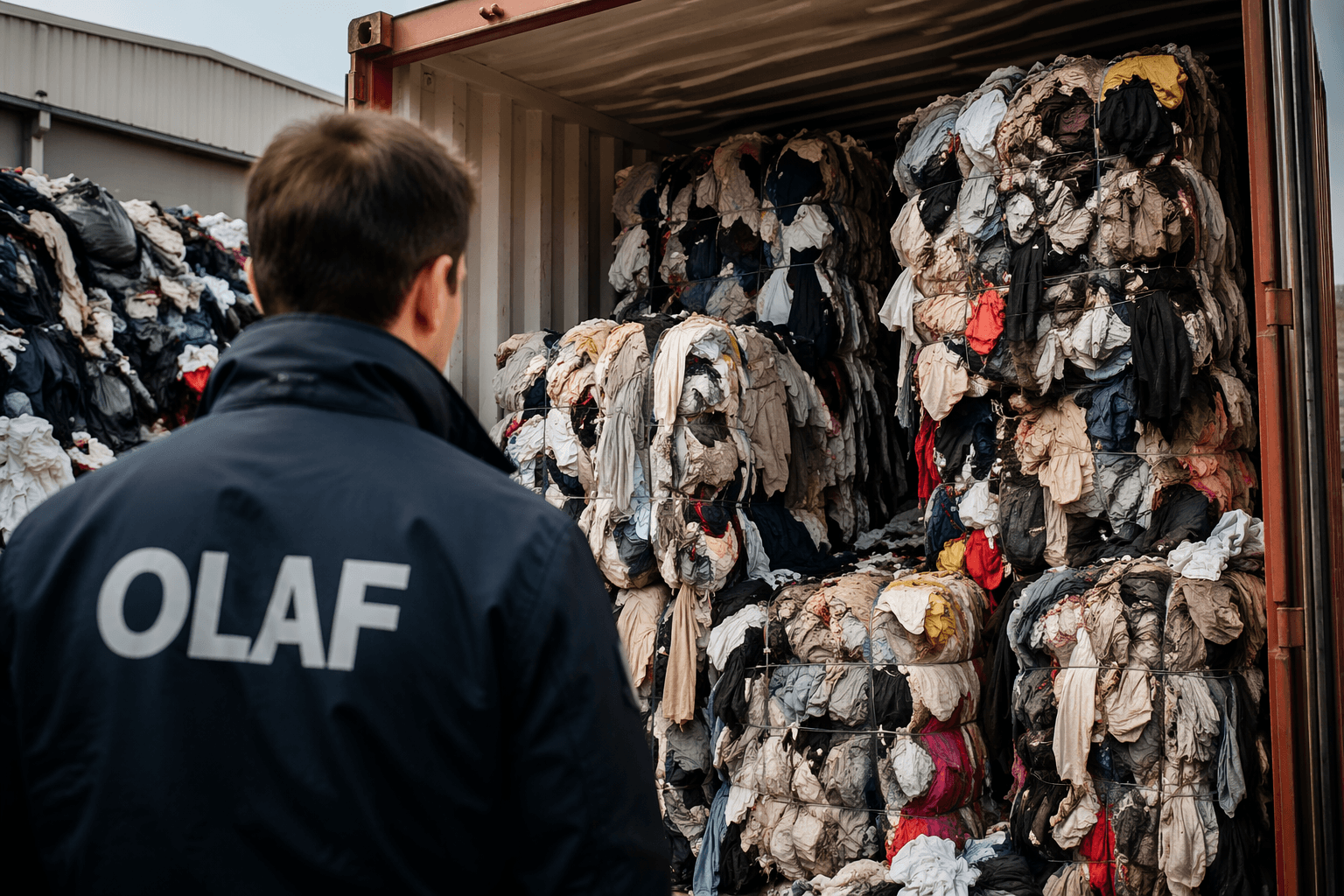
European investigators have dismantled a textile-waste scheme that allegedly relabeled acrylic-rich scraps as recyclable material and pushed them from Italy to Turkey to avoid the cost of proper disposal. OLAF said authorities seized 4,200 tonnes, found another 2,100 tonnes in a warehouse and 768 tonnes at Mersin, a haul that turns a familiar sustainability promise into a hard enforcement problem.
The business model is blunt: if waste is described as something else, the sender can skip expensive disposal rules and move the environmental burden elsewhere. In this case, the money saved sits on the exporter’s side of the ledger, while the receiving country is left with the material, the handling costs and the risk that “recycling” is really just disguised dumping. For a sector that trades on circular language, the distinction between recovered fiber and exported refuse is not cosmetic. It is the difference between a functioning loop and a bill passed on to someone else.
The case lands as Brussels tightens the screws. Regulation (EU) 2024/1157 on shipments of waste was adopted on 11 April 2024 and entered into force on 20 May 2024. Most provisions apply from 21 May 2026, and most export rules follow on 21 May 2027. The point of the law is clear: protect the environment and human health, support a circular economy and zero pollution, and stop harmful waste shipments from slipping through as paperwork exercises.
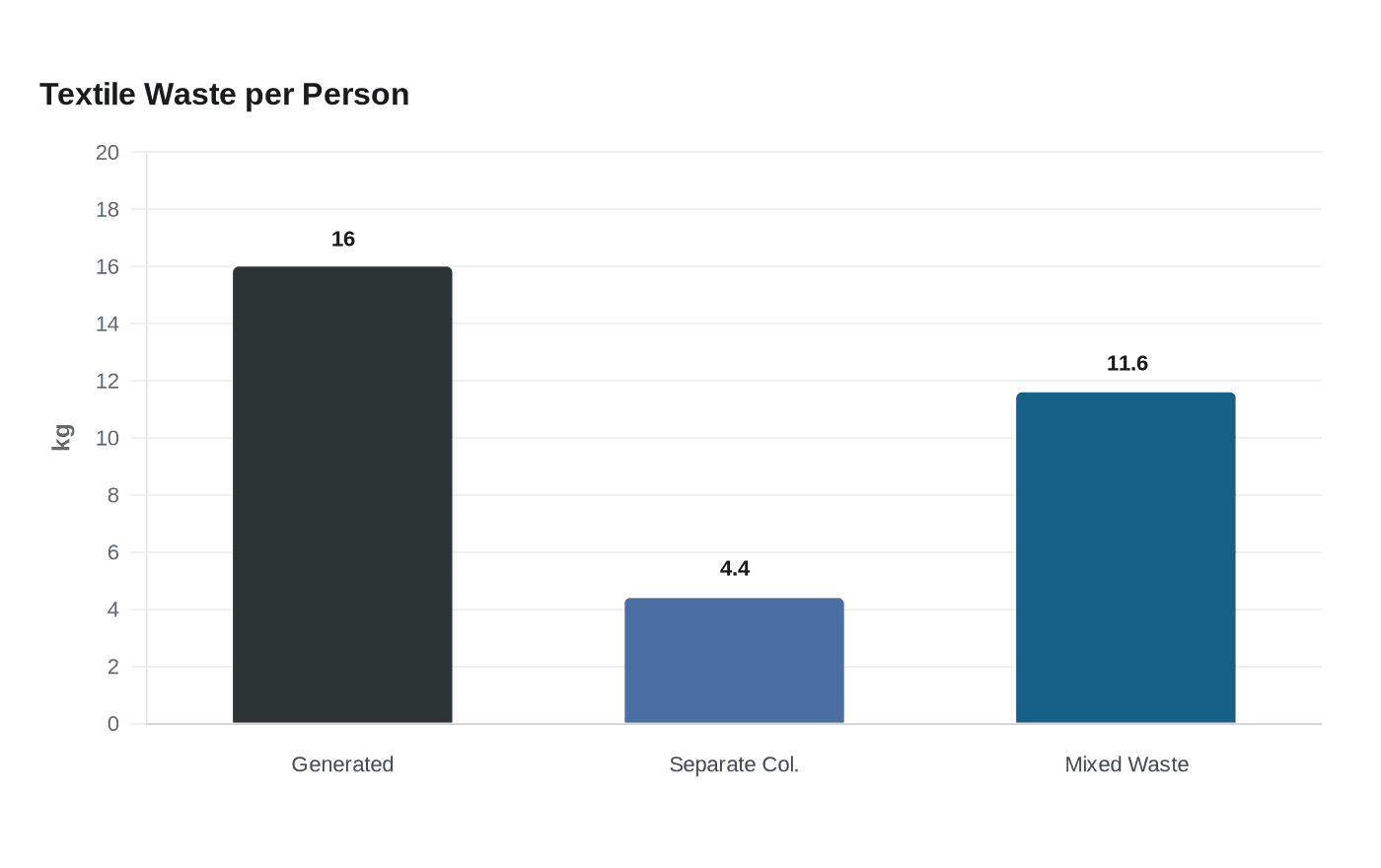
The scale of the textile problem helps explain why enforcement matters. The European Environment Agency estimated that the EU generated 6.95 million tonnes of textile waste in 2020, about 16 kilograms per person. Only 4.4 kilograms per person was separately collected for reuse and recycling, while 11.6 kilograms per person ended up in mixed household waste. The agency also said 82% of textile waste was post-consumer waste, and warned that without more sorting and recycling capacity, large volumes of collected textiles may keep being incinerated, landfilled or exported outside the EU.
That pressure is rising just as member states are required to have separate textile collection systems in place from 2025, a change meant to improve circularity but one that also exposes how strained sorting chains have become. EU textile consumption rose from 17 kilograms per person in 2019 to 19 kilograms in 2022, a jump that leaves less room for euphemism and more need for policing. France’s push for a tougher line on ultra-fast fashion adds political force to the same point: if Europe wants circularity, it has to inspect the labels on waste as closely as it inspects the clothes.
This article was produced by Prism’s automated news system from verified source data, official records, and press releases, then run through automated quality and moderation checks before publishing. The system is built and supervised by the people who set the standards it runs under. Read our full AI policy.
Did this article answer your question?


