Organic cotton summit calls for fairer risk sharing and stronger traceability
Organic cotton's clean image masks a messy reality: farmers are still carrying the climate, certification and market risk while brands keep the upside.
Organic cotton still carries a polished sustainability story, but the business reality is far rougher: farmers are often left to absorb the climate shocks, certification costs and market swings, while brands capture the clean-label upside.
That imbalance sat at the center of the inaugural Organic Cotton Summit on June 4, where delegates pushed for more equal risk sharing, more investment and stronger traceability across the supply chain. The message was clear: organic cotton is being treated less as a boutique material story and more as a long-term resilience strategy for growers, brands and policymakers.
What fairer risk sharing looks like is not abstract. It starts in contracts that stop pushing all volatility back onto the farm gate, and it extends into financing that recognizes how exposed organic growers are to weather, yield swings and the cost of certification. If brands want the credibility of organic cotton on a hangtag, they cannot expect farmers to carry the burden of making the system look responsible.
Traceability is the other pressure point. A stronger system would do more than reassure shoppers with tidy claims. It would follow fiber through ginning, spinning and manufacturing with enough rigor to show where the cotton came from, how it was handled and who is on the hook if something goes wrong. Mills and retailers would have to treat that as core infrastructure, not a compliance afterthought.
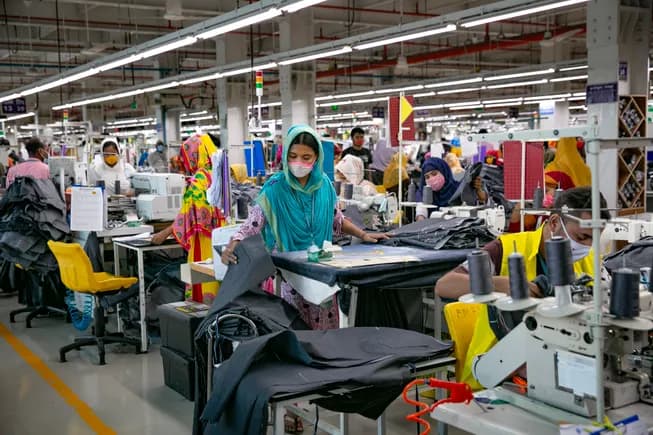
The summit’s larger point was that organic cotton cannot remain a feel-good category if the economics stay lopsided. Brands, mills and retailers will have to change behavior: commit longer, pay more consistently, and build sourcing systems that reward growers for taking the hardest risks in the chain. Otherwise, the sustainability promise sits on top of a model that still asks farmers to carry the heaviest load.
This article was produced by Prism’s automated news system from verified source data, official records, and press releases, then run through automated quality and moderation checks before publishing. The system is built and supervised by the people who set the standards it runs under. Read our full AI policy.
Did this article answer your question?