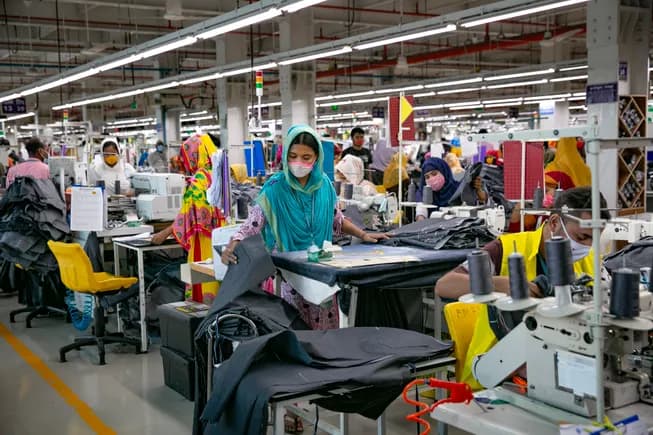
Oxfam urges worker-centred grievance systems across fashion supply chains
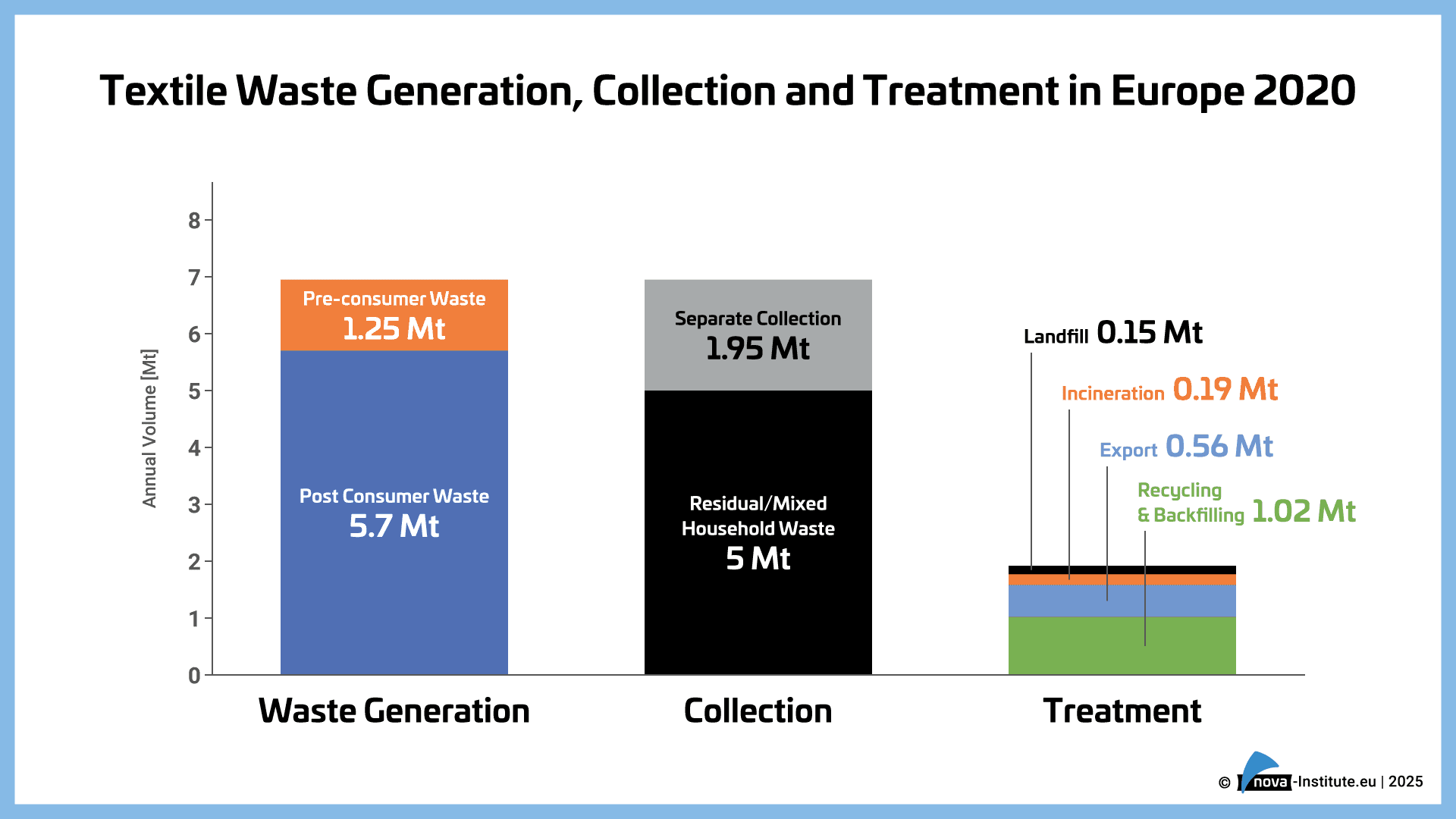
Oxfam says grievance hotlines fail when brands count closed cases instead of delivering remedy, leaving wage theft, harassment and retaliation to fester on factory floors.
Oxfam America is pressing fashion brands and retailers to stop treating grievance hotlines like compliance paperwork and start funding systems that actually deliver remedy. The new Briefing for Business, launched June 15, recasts complaint handling as a frontline labor issue, arguing that fragmented channels, weak communication and a narrow focus on case closure can leave wage theft, harassment and retaliation untouched.
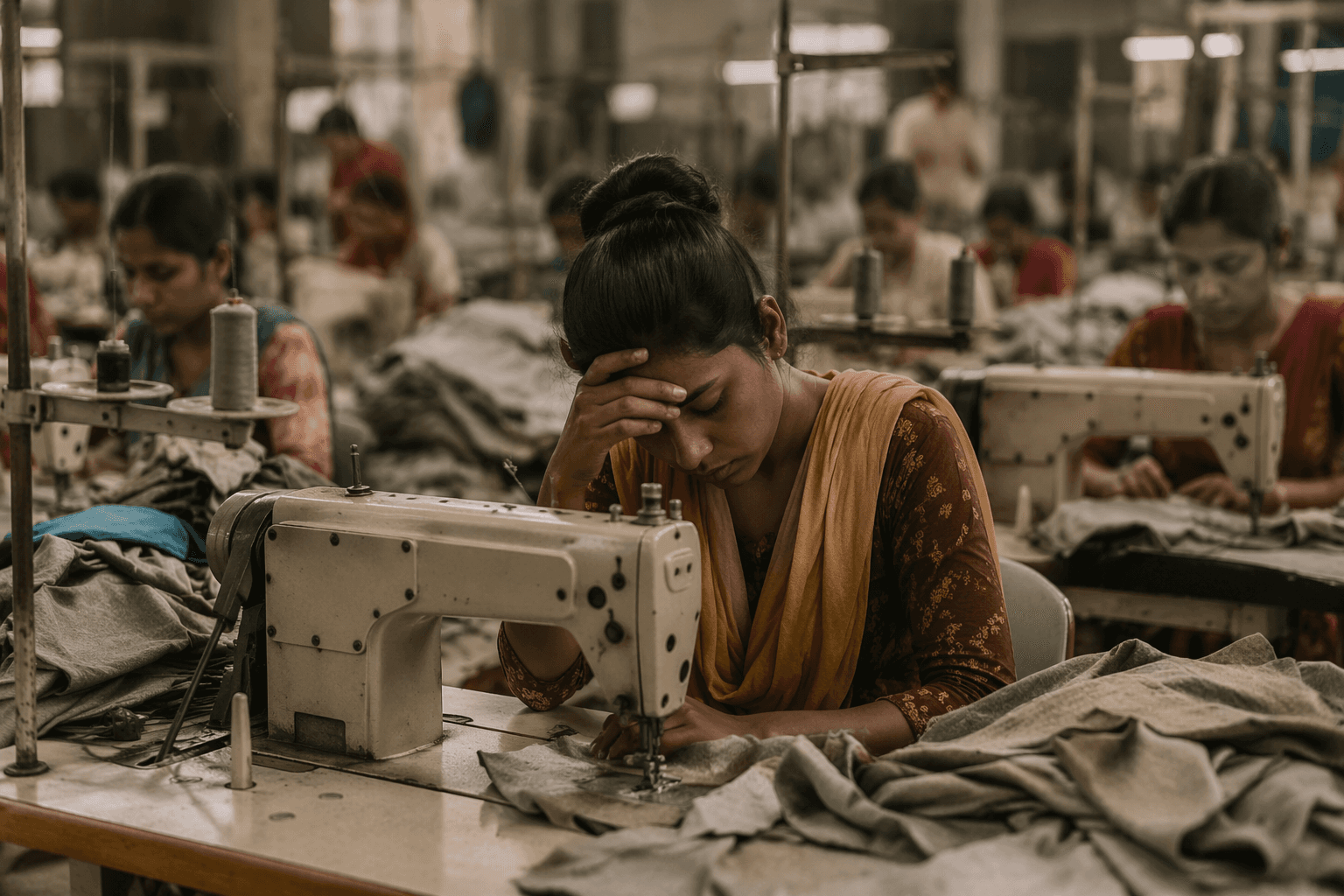
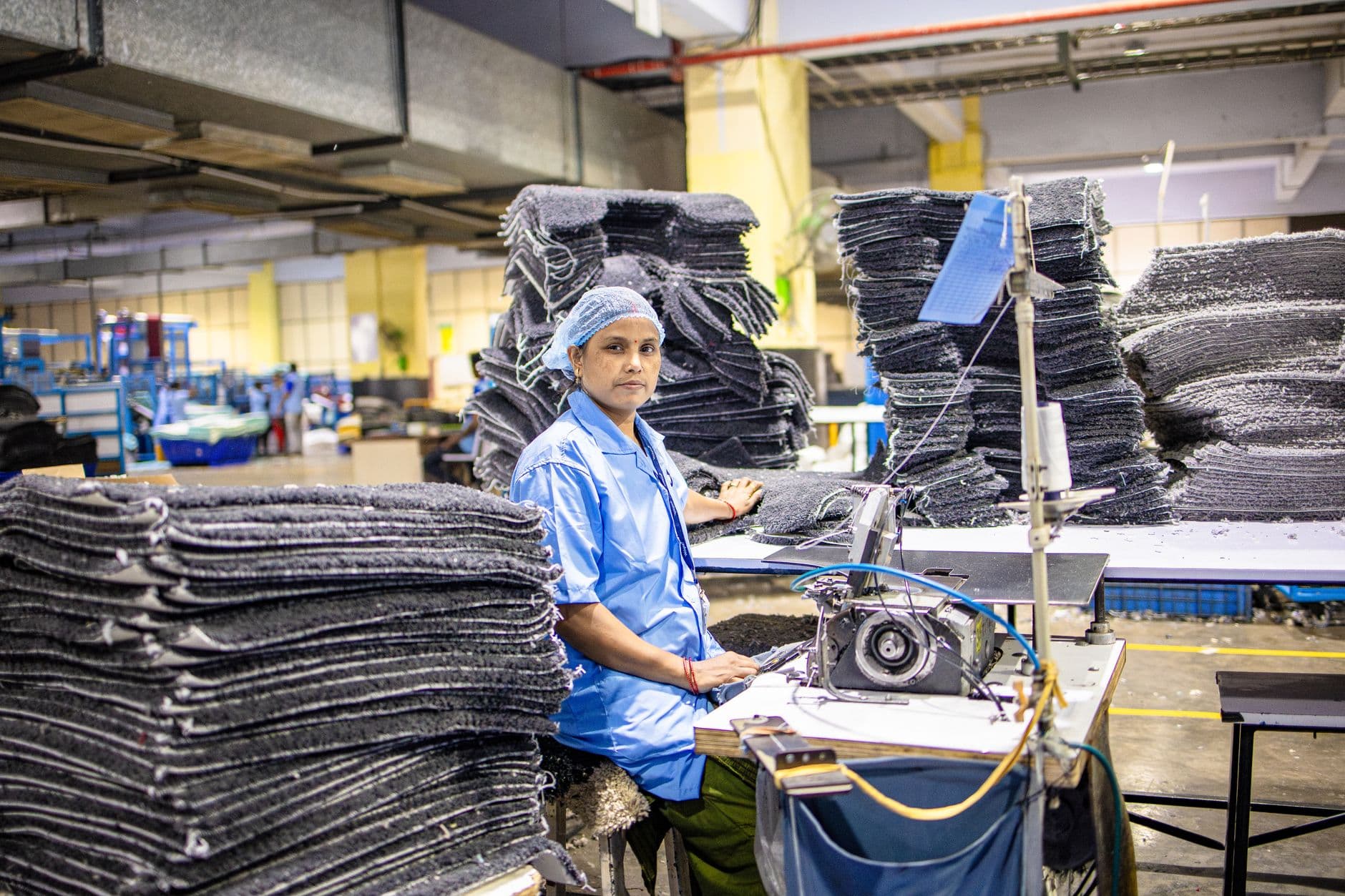
The argument is sharper than a typical sustainability memo because it shifts the burden back onto the companies that profit from the supply chain. Oxfam says many current mechanisms are underused, difficult to access and disconnected from the workers they are supposed to serve. A hotline buried in a supplier handbook may satisfy an audit trail; it does little for a machinist facing unpaid overtime, a packer afraid of retaliation, or a community trying to report abuse across several factory levels.
What Oxfam calls for is a worker-centred remedy system, built around meaningful rightsholder participation, strong roles for unions and civil society, and clear, trustworthy communication. The briefing also describes a broader grievance ecosystem in which operational site-level mechanisms, brand-level systems and multi-stakeholder channels each play a distinct but complementary role. In that model, the site mechanism gives workers immediate access, the brand-level system extends accountability across the supply chain, and the multi-stakeholder layer is meant to address risks too large for any single factory to solve alone.
This is not an abstract theory. In early 2023, Oxfam Business Advisory Service, Reckitt and AIM-Progress rolled out a site-level grievance mechanism toolkit for 19 tier-one suppliers of three AIM-Progress members across 15 countries. The toolkit had been piloted in India, Pakistan, China and the United Kingdom in 2022, and suppliers reported that involving workers and listening to their suggestions made the workplace feel more positive and productive. One supplier in India said the roll-out was especially useful and would be extended to other plants.
The wider stakes reach beyond one initiative. Oxfam and its partners tie the briefing to the UN Guiding Principles on Business and Human Rights, which treat access to effective remedy as a core element of responsible business. Electronics Watch made a similar intervention in October 2023 with Principles of Worker-Driven Remedy, putting affected workers at the centre of remediation with trade unions, labour rights groups and public buyers involved. For fashion, where accountability often stops at the audit clipboard, the new pressure is clear: if a grievance system cannot be trusted by workers, it is not a remedy system at all.
This article was produced by Prism’s automated news system from verified source data, official records, and press releases, then run through automated quality and moderation checks before publishing. The system is built and supervised by the people who set the standards it runs under. Read our full AI policy.
Did this article answer your question?