Pakistan joins global textile decarbonization initiative with ATTI chapter
Pakistan's garment sector has entered ATTI as its third chapter, putting mills on a country roadmap for decarbonization and harder compliance than another pledge.
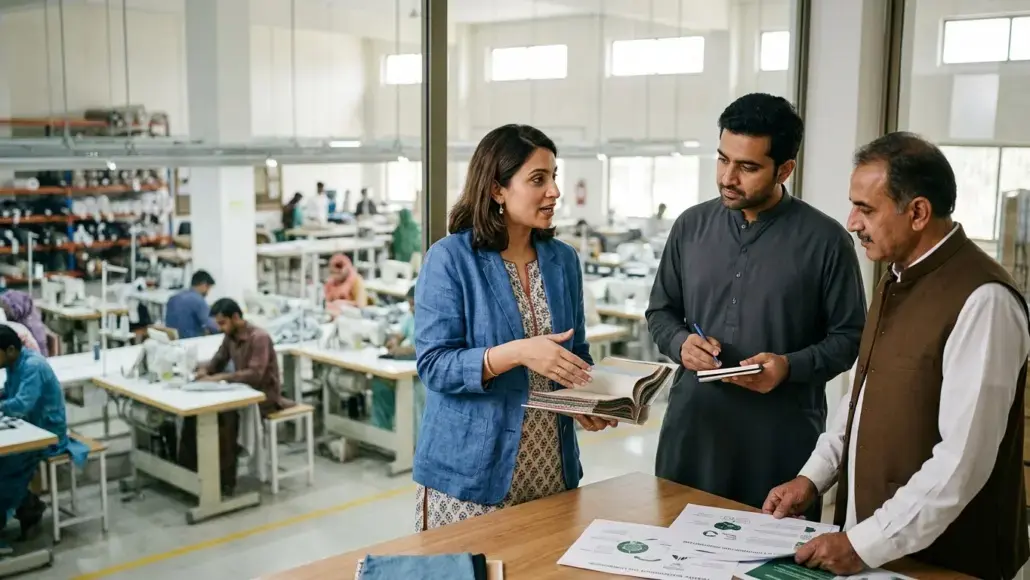
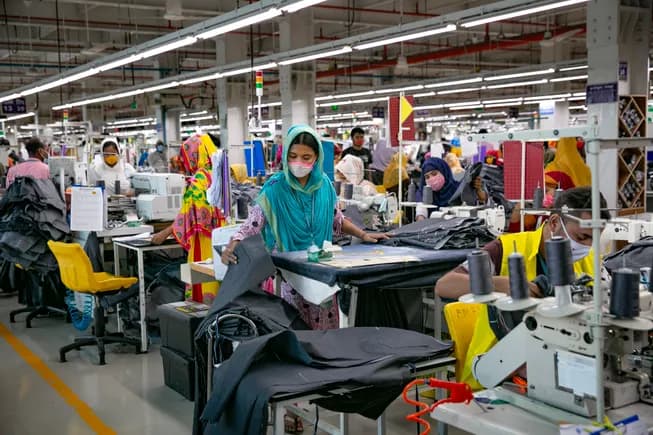
Pakistan Readymade Garments Manufacturers and Exporters Association has joined the Apparel & Textile Transformation Initiative through a national chapter. PRGMEA says it represents the country’s readymade garment industry and has more than 500 member companies, and the program is already operating in Bangladesh and Turkey.
Launched on June 26, 2025, during London Climate Action Week by the International Apparel Federation and the International Textile Manufacturers Federation, ATTI runs through country chapters and a global council. Its process begins with a needs assessment, then moves into collaborative solution design with manufacturers, brands, governments, financial institutions, technical experts and other stakeholders.
PRGMEA signed a memorandum of understanding with ATTI to establish the Pakistan chapter. Under that arrangement, ATTI will help assess industry needs, develop practical decarbonization solutions and build a roadmap for Pakistan’s garment and textile sector, while PRGMEA provides institutional support, technical resources and member engagement for implementation. The association says many of its members are already moving on solar power, zero-discharge practices under ZDHC protocols, LEED certification and energy-monitoring systems.

Pakistan’s textile sector is the country’s second-largest industrial source of greenhouse gas emissions after cement, responsible for about 5% to 9% of national emissions, or roughly 8.1 million tons of carbon each year. ATTI says those figures make the sector a business issue as much as an environmental one, with mills that can document energy savings, cleaner processes and compliance-ready upgrades better placed to keep export orders in a market where carbon performance is becoming part of sourcing discipline.
PRGMEA has already tested that terrain. Its sustainability work includes the Espire program, a partnership with Bfz GmbH funded through SEQUA and Germany’s Federal Ministry for Economic Cooperation and Development, which focused on energy conservation, self energy audits, modular production, environmental management systems and OEKO-TEX 100 certification. On April 9, 2026, the International Labour Organization expanded support to Pakistan’s textile and apparel sector through agreements with the Employers’ Federation of Pakistan, the Towel Manufacturers Association and PRGMEA, with labor standards, workplace practices, gender equality, competitiveness and decent work all now part of the export agenda.
This article was produced by Prism’s automated news system from verified source data, official records, and press releases, then run through automated quality and moderation checks before publishing. The system is built and supervised by the people who set the standards it runs under. Read our full AI policy.
Did this article answer your question?