Panda Biotech and Culturewell launch India’s first hemp fiber-to-yarn chain
Panda Biotech and Culturewell are stitching U.S.-grown hemp into Indian spinning mills, turning a fiber story into a test of traceability, processing and scale.

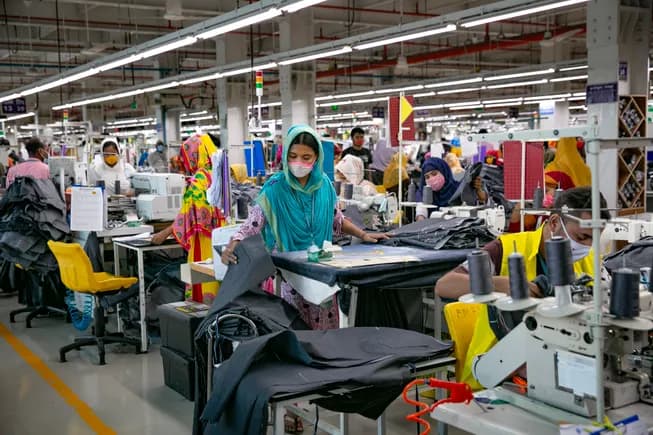
Panda Biotech and Culturewell have drawn a clean line from Wichita Falls to India’s mill floors, announcing what they call the country’s first fully integrated hemp fiber-to-yarn supply chain. The intrigue is not hemp as a slogan, but the machinery underneath it: certified American fiber, degumming capacity, spinning know-how and the discipline to turn an unruly plant into yarn that behaves consistently in production.
The partnership includes Culturewell Trading LLP and its subsidiary, Culturewell Hemp Pvt. Ltd., and is built around Panda Biotech’s mechanically cottonized hemp fiber being processed and spun in India for the first time. That is the real distinction here. Anyone can talk about regenerative materials; far fewer can manage the industrial handoff from bale to fiber to yarn without losing quality, traceability or price competitiveness along the way.
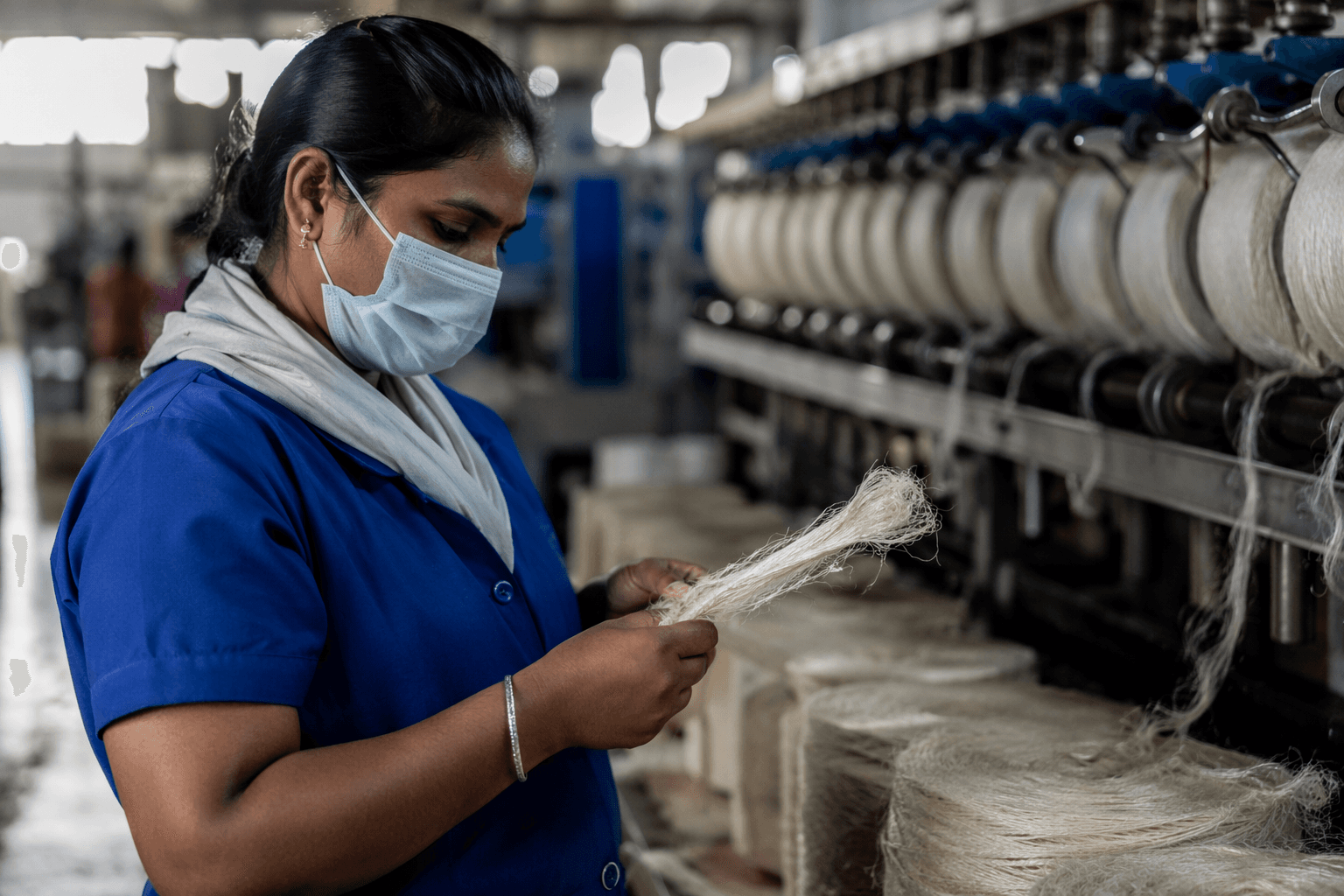
Panda Biotech has tried to answer the scale question with infrastructure. Its Panda Hemp Gin in Wichita Falls, Texas, is a 500,000-square-foot facility that began commercial operations in 2024 and, the company says, can process 10 metric tons of industrial hemp per hour. Panda describes it as the largest industrial hemp fiber processing facility in the Western Hemisphere, a claim that matters less as branding than as evidence of the processing muscle needed to feed a serious textile supply chain.
India is a logical proving ground. The country’s textile and apparel sector directly employs more than 45 million people and supports more than 100 million livelihoods indirectly, while India’s fiber market remains dominated by cotton. The U.S. Department of Agriculture’s Foreign Agricultural Service has noted that rising international demand for sustainable fibers is pushing apparel and textile manufacturers toward hemp, even as domestic cultivation remains tightly controlled and only six states currently produce hemp. India imported 321 metric tons of processed hemp fiber worth $2.1 million from January through November 2024, a reminder that imported inputs already matter in an export-driven market.
Culturewell’s Rajesh Raizada has framed the deal as a response to customers asking for hemp yarn, not just hemp fiber, and that distinction is crucial. Fiber alone is a material story; yarn is a manufacturing story. Panda Biotech President Dixie Carter has said Indian mills are looking for scalable, high-quality, sustainable fibers that can compete globally on performance, consistency and price. Panda says shipments are backed by OEKO-TEX STANDARD 100 and USDA BioPreferred certifications, the kind of documentation that can make or break trust when sustainability claims meet procurement spreadsheets.
The cross-border model also raises the harder question beneath the optimism: is this a pragmatic bridge to scale, or a sustainability story complicated by transport, certification and industrial dependency? Panda Biotech and Culturewell say U.S.-grown hemp processed in India may qualify for duty benefits on exports back to the U.S. market, which could sharpen the economics against European and Chinese supply. If the numbers hold, the partnership could become a template for technical textiles, insulation and performance fabrics. If they do not, it will be another reminder that sustainable fashion is won in processing plants, not in press releases.
This article was produced by Prism’s automated news system from verified source data, official records, and press releases, then run through automated quality and moderation checks before publishing. The system is built and supervised by the people who set the standards it runs under. Read our full AI policy.
Did this article answer your question?