Paris fashion faces a heatwave reality check
Paris’s summer runway is now a heat-risk operation, with ice packs on the front row and worker safety moving to the center of fashion’s calendar.

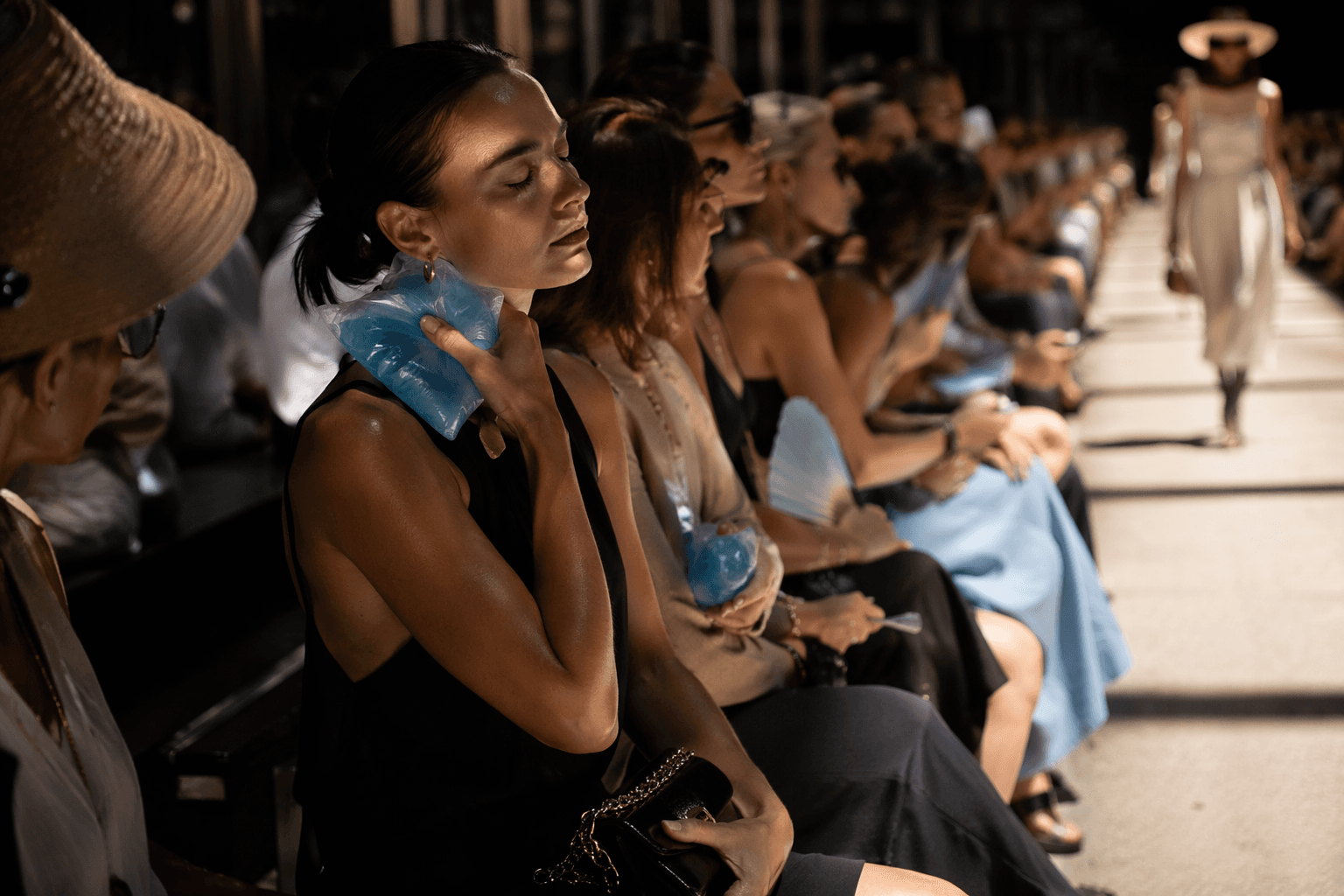
At Paris Fashion Week Men’s, houses moved shows earlier and handed out ice packs, cold towels, parasols and water. Some venues still sweltered despite mist machines and iced drinks, a blunt reminder that good styling does not fix a building built for cooler weather.
The runway calendar is now a heat-risk calendar
Paris is one of France’s most visible export machines, with six fashion seasons a year bringing global luxury houses, celebrities, editors, buyers and clients through aging venues that were never designed for summers like this one. The question is no longer whether heat is uncomfortable on the front row. It is whether menswear and haute couture still make sense in the hottest stretch of the year if climate change keeps making heat waves more frequent and more intense.
France recorded its hottest day on record on June 24, 2026, when Météo-France logged a national average temperature of 30.0°C, surpassing earlier national records from July 2019 and August 2003. The wider western Europe heat wave disrupted power supplies, shut schools and cultural landmarks, and killed dozens of people.
Paris and Milan are being asked to absorb a new kind of summer
The pressure is especially sharp because Paris and Milan sit at the center of a global schedule that depends on precise movement, tight deadlines and packed venues. Fashion week has always been about spectacle, but spectacle now has to coexist with transport delays, sweltering rooms and the simple fact that guests, staff and talent can only tolerate so much heat before the whole machine slows down.
That makes venue choice, show timing and guest flow part of the product. Moving a show earlier helps only if the building, the street outside and the route into the room can support it. Cooling systems, mist machines and cold drinks buy time; they do not solve a calendar that keeps asking people to dress, travel and sit still in peak summer heat.
They have to decide whether a July or late-June show is still worth the risk of discomfort, delays and diminished attention. They also have to think differently about the clothes themselves, because a season built around weight, layering and polish reads differently when the city outside is close to 30°C before noon.
Heat stress is becoming a labor issue, not a side note
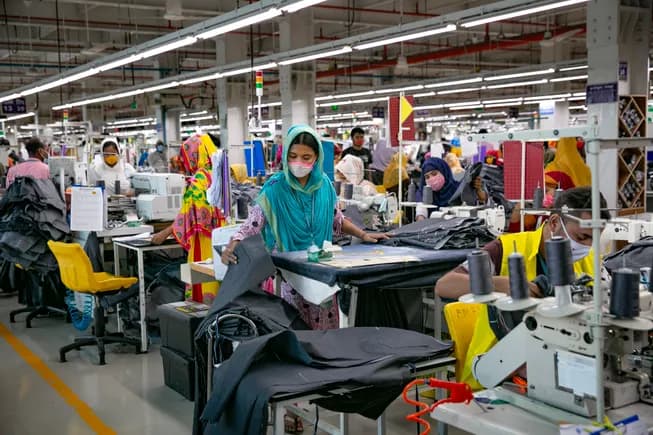
The global apparel industry is worth $1.77 trillion and employs about 90 million workers, Better Work says, and rising temperatures and extreme flooding are hitting both the sector and the people who make it run. That turns heat into a factory-floor issue, a warehouse issue and a supply-chain issue all at once.
On December 10, 2025, the International Accord for Health and Safety in the Textile and Garment Industry said it would develop a Protocol on Heat Stress to strengthen climate-related protections for workers in global fashion supply chains. Heat stress is no longer an inconvenience to be managed with water bottles and goodwill; it is becoming part of the safety conversation alongside machinery, chemicals and fire exits.
The NYU Stern Center for Business and Human Rights argues that extreme heat is becoming one of the most serious threats to worker safety and supply chain resilience in apparel. If factories lose time, workers need more breaks, or transport and power fail, the cost shows up in delayed deliveries, missed launches and more fragile sourcing relationships.
What fashion has to do next
The next decisions touch the whole calendar, from the first fitting to the last buyer appointment.
- Move summer shows earlier when possible, but pair the shift with real cooling plans, not just a new call time.
- Treat worker heat protection as a sourcing requirement, with contracts that account for breaks, hydration, shaded spaces and safer schedules.
- Build venue selection around heat resilience, including ventilation, backup power and guest flow, not just prestige or postal code.
- Pressure-test delivery calendars, because heat-related disruption can ripple from production floors to freight and retail floors in one stretch.
- Plan product around the season as it is, not the season fashion wishes it had, which means thinking harder about lightweight tailoring, breathable layers and garments that still feel elegant in a room that is already too warm.
This article was produced by Prism’s automated news system from verified source data, official records, and press releases, then run through automated quality and moderation checks before publishing. The system is built and supervised by the people who set the standards it runs under. Read our full AI policy.
Did this article answer your question?