PETA footage raises fresh animal-welfare doubts over H&M wool supply chain
PETA says a South African NATIVA-certified wool farm tied to H&M showed sheep kicked, stomped and dragged, exposing a gap between audit claims and reality.
A certification seal is supposed to mean something. PETA’s new footage from a South African wool operation suggests the distance between a polished animal-welfare claim and the reality on the ground can still be wide enough for abuse to slip through.
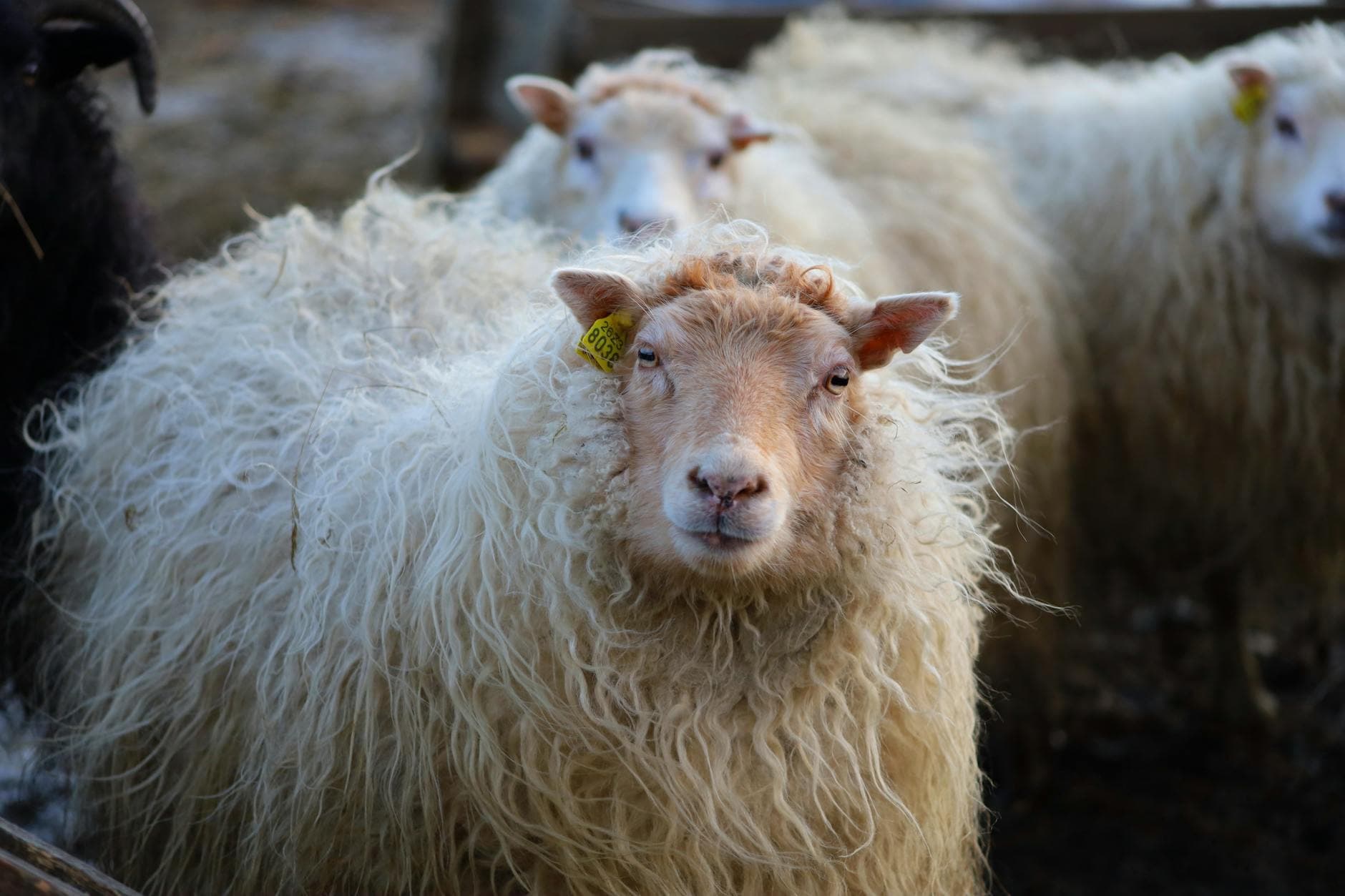
The footage, released on April 27, showed workers kicking and stomping on sheep, dragging them by their legs and leaving them with gaping wounds after crude shearing. PETA said it was the first-ever PETA Asia investigation into a NATIVA-certified wool operation in South Africa, a detail that makes the case sting harder for a fashion industry that leans heavily on standards to reassure shoppers.
What makes the story especially uncomfortable for H&M Group is the supply-chain route. PETA says the farm sold wool through a broker that supplied H&M Group, which means the label of responsible sourcing did not stop cruelty from happening, or at least did not catch it in time. H&M Group had said it aimed that by the end of 2025 all of its virgin wool and animal hair would come from farms certified to a credible animal-welfare standard. On its materials pages, the company says it uses animal fibres from farms certified to established standards including the Responsible Wool Standard, the Good Cashmere Standard and the Responsible Mohair Standard.
That is where the accountability gap opens up. Textile Exchange describes the Responsible Wool Standard as an industry tool designed to recognize best practices for farmers and verify product claims through independent third-party standards. In theory, that kind of system should give brands a cleaner line of sight from farm to finished garment. In practice, the broker sitting between the farm and the retailer can turn traceability into a blur.
The stakes are not trivial. H&M Group has spent years positioning itself as a leader in sustainable materials and animal-welfare sourcing, and it has also pointed to broader progress elsewhere in its operations. The company says it has shifted all down and feather to post-consumer recycled sources, and that in 2025, 86 percent of packaging materials met its criteria, with 51 percent recycled content, while plastic packaging volumes fell 60 percent versus 2018. Those numbers matter, but they also sharpen the contrast: packaging progress is easy to quantify, while animal welfare depends on what happens in sheds, pens and shearing stations far from a campaign page.
The next test is operational, not rhetorical. H&M Group and the certifier behind the wool standard now face a simple but unforgiving question: what changes in traceability, broker oversight and farm auditing follow when certified wool is linked to footage like this.
This article was produced by Prism’s automated news system from verified source data, official records, and press releases, then run through automated quality and moderation checks before publishing. The system is built and supervised by the people who set the standards it runs under. Read our full AI policy.
Did this article answer your question?