Prato crackdown exposes labour abuse in Italy’s textile supply chain
A Chinese textile entrepreneur was put under house arrest in Prato, where 7,000 fashion firms sit inside a supply chain now under scrutiny for labour abuse and hidden subcontracting.
Italian authorities placed a Chinese textile entrepreneur under house arrest in Prato as part of a crackdown on labour exploitation and gangmaster networks in the city’s textile sector. The arrest landed in a district the city describes as Europe’s largest textile centre, with about 7,000 fashion-sector companies and roughly 43,000 employees, and it struck at the seam between speed, price and the Made in Italy label that so many international brands still rely on.
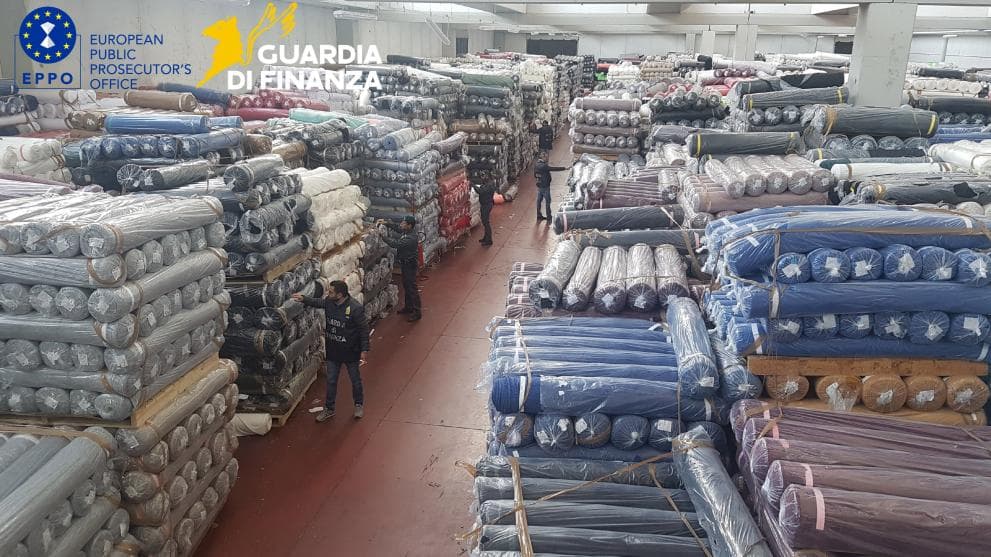
In Prato’s Macrolotto district, the polished language of circular textiles has long run alongside hidden workshops, subcontracted production and migrant labour under punishing conditions. The city’s textile district generates about 2 billion euros in exports, but the supply chain beneath that number has been repeatedly tested by enforcement. On 21 January 2026, the European Public Prosecutor’s Office said Guardia di Finanza in Prato seized 237,000 garments and more than 5.5 million metres of fabric in four hidden warehouses controlled by Chinese individuals. Investigators said the scheme allowed suspects to evade €3.6 million in import VAT and customs duties over three years.
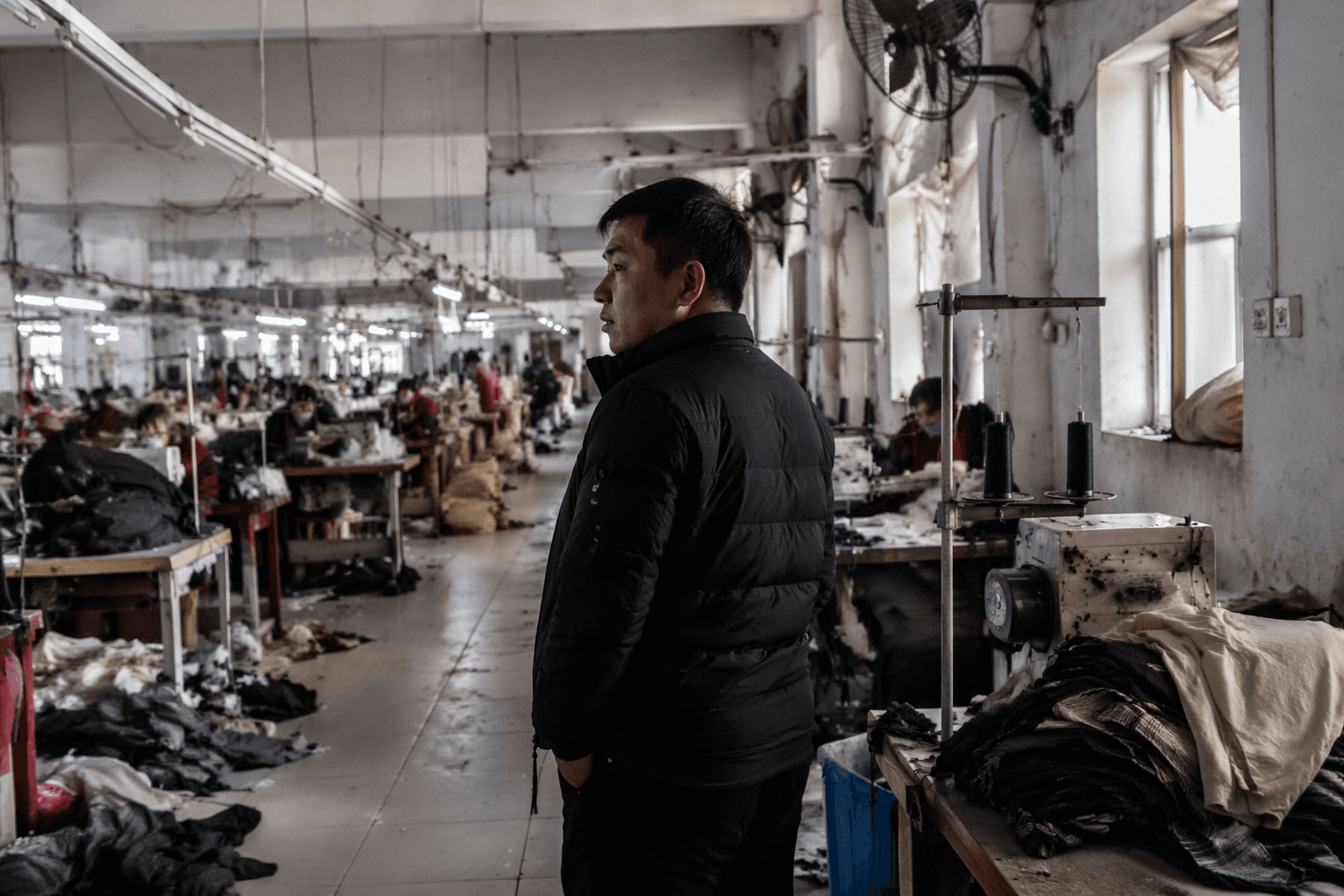
Labour pressure inside the district had already become impossible to miss. In June 2025, SUDD Cobas said it staged 28 strikes in early June, part of a wave of coordinated action that focused on factories supplying fast-turn clothing. A later campaign summary said 68 of 70 targeted factories agreed to an eight-hour, five-day schedule after 14 weeks of action. That was not a symbolic win. It was a blunt sign that the district’s operating model, built on subcontracting and opaque labour chains, had become a target for workers who were no longer willing to absorb the cost of speed.
Prato’s prosecutors had also moved to formalise a response. In October 2025, local authorities signed a protocol to protect workers who reported exploitation, and 129 foreign workers had entered cooperation with authorities since February 2025. The city carries an older warning too: the Teresa Moda factory fire on 1 December 2013 killed at least seven people after workers were trapped in an improvised dormitory inside a Chinese-owned clothing factory. For brands sourcing from Prato, the message is uncomfortable and clear. A district that markets recycled fibres and circular innovation is still vulnerable to abuse hiding in subcontracting chains, and audits that stop at the front door may miss the most dangerous rooms entirely.
This article was produced by Prism’s automated news system from verified source data, official records, and press releases, then run through automated quality and moderation checks before publishing. The system is built and supervised by the people who set the standards it runs under. Read our full AI policy.
Did this article answer your question?