Primark updates circular fashion standard, pushing durability and recyclability
Primark’s new circular standard adds a tougher Progressive tier, but much of the change looks like codified trial work already under way across denim, jersey and other core lines.
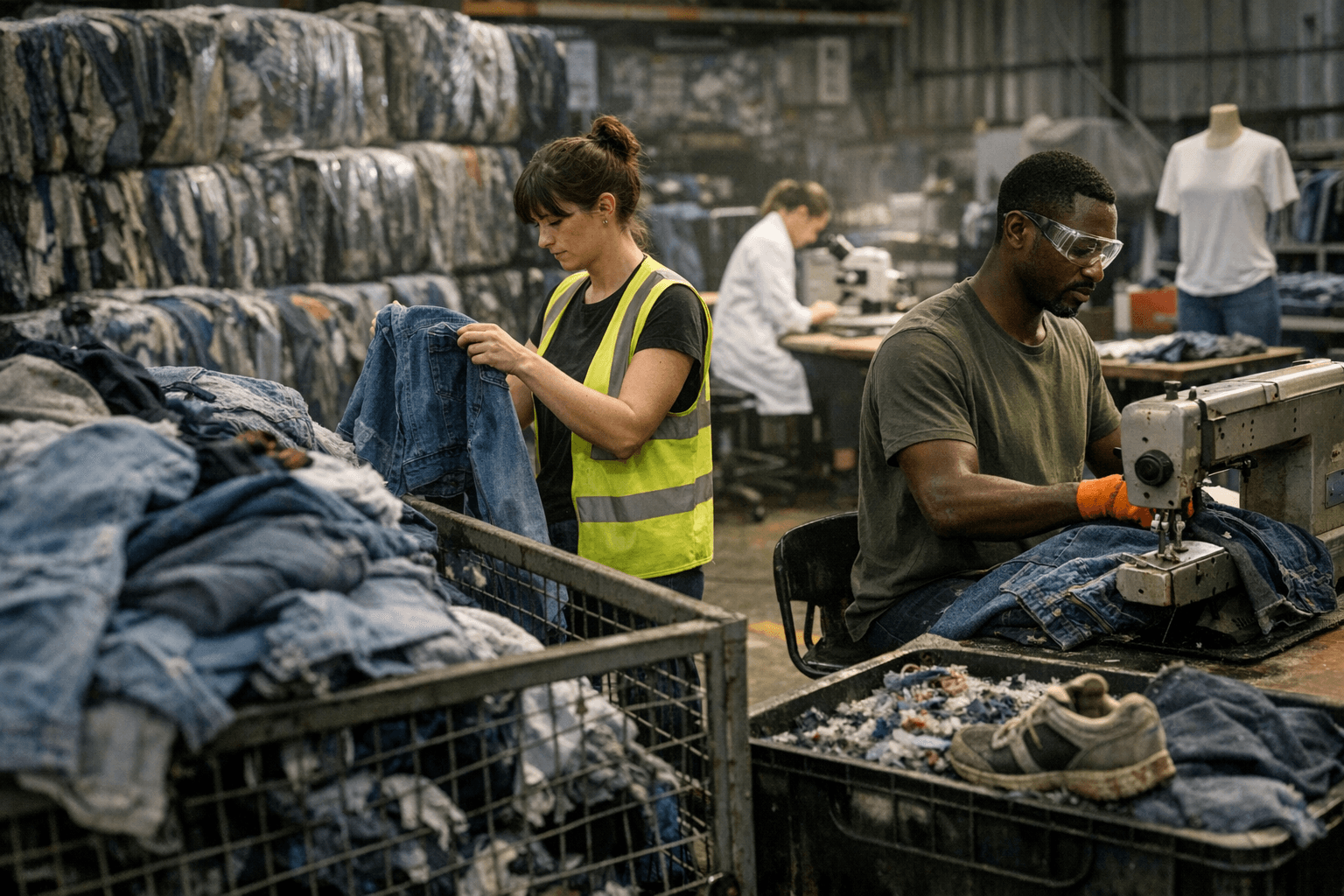
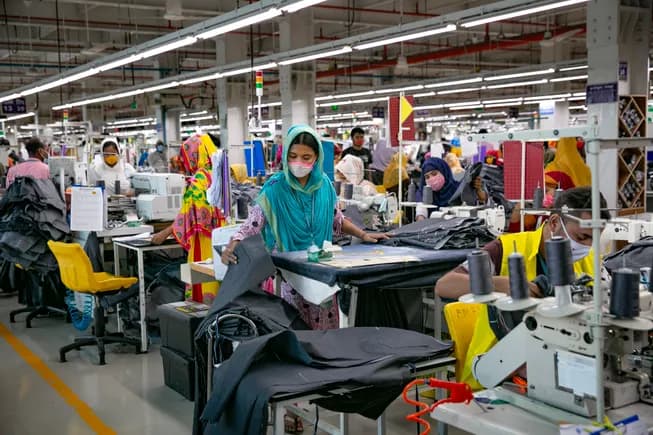
Primark’s latest circular playbook is less a glossy reset than a tightening of the screws. The retailer’s updated Circular Product Standard 2.0 adds a tougher Progressive tier, but its real value lies in making durability, better fibre selection and recyclability rules more concrete across the clothes Primark sells at scale.
The standard, published on April 13, 2026, builds on the version Primark launched in 2023 and on three years of testing, repair workshops and design work with product teams and suppliers. Inspired by the Ellen MacArthur Foundation’s circular economy vision for fashion, the framework now covers nine key categories: denim, jersey, knitwear, nightwear, shirts, skirts, blouses, dresses and leisurewear. That matters because circular fashion only starts to mean something when it moves beyond a capsule collection and into the stuff shoppers actually buy week after week.
Primark says circular products are designed to last longer, to be easier to recycle at commercial scale and to include recycled or more sustainably sourced fibres. In practice, the new standard looks like a sharper version of what the company has already been testing. In 2023, Primark said 60 percent of denim products tested passed its enhanced durability wash framework, a sign that the brand was already measuring whether jeans could survive real wear rather than simply reading well on paper. The first circular product collection, a 35-piece range across menswear, womenswear and kidswear, followed that same year.
The biggest change is the new Progressive level, which raises requirements around materials, durability and recyclability and brings in post-consumer recycled textiles. Primark also says it has identified more recyclable printing techniques and made small but telling design adjustments, including reducing elasticated waistband depth and removing non-functional metal rivets. Those are the kinds of quiet changes that can make a garment easier to disassemble later, even if they will barely register on a shop rail.
There is scale behind the rhetoric. Primark says 5 percent of all clothing units sold in 2024/25 were circular by design, including 20 percent of jersey units and 8 percent of denim units. Every current and new product team member now takes Foundational circularity training, while an Expert level launched in 2024 with the Circular Textiles Foundation. More than 500 colleagues completed the original circular design training programme, and Primark has pledged to make more of its clothes recyclable by design by 2027.
That timetable is what gives the update its edge. Primark is not reinventing circular fashion here, but it is turning a loose ambition into a more disciplined design system. For a mass-market retailer, that is the real test: whether circularity can survive contact with volume, price pressure and the blunt reality of everyday dressing.
This article was produced by Prism’s automated news system from verified source data, official records, and press releases, then run through automated quality and moderation checks before publishing. The system is built and supervised by the people who set the standards it runs under. Read our full AI policy.
Did this article answer your question?