Reconomy says B2B textile circularity is possible, if sorting improves
Reconomy says hotels, hospitals and builders already throw off enough textile waste to recycle, but the system breaks down long before the material reaches a recycler.

Reconomy is making a simple but uncomfortable point: B2B textiles are not a future circularity story, they are a present-day waste problem hiding in plain sight. In hospitality, healthcare, automotive, agriculture and construction, the materials are already there, but sorting, aggregation, data visibility and weak end markets keep them moving through downcycling, energy-from-waste or disposal instead of back into productive use.
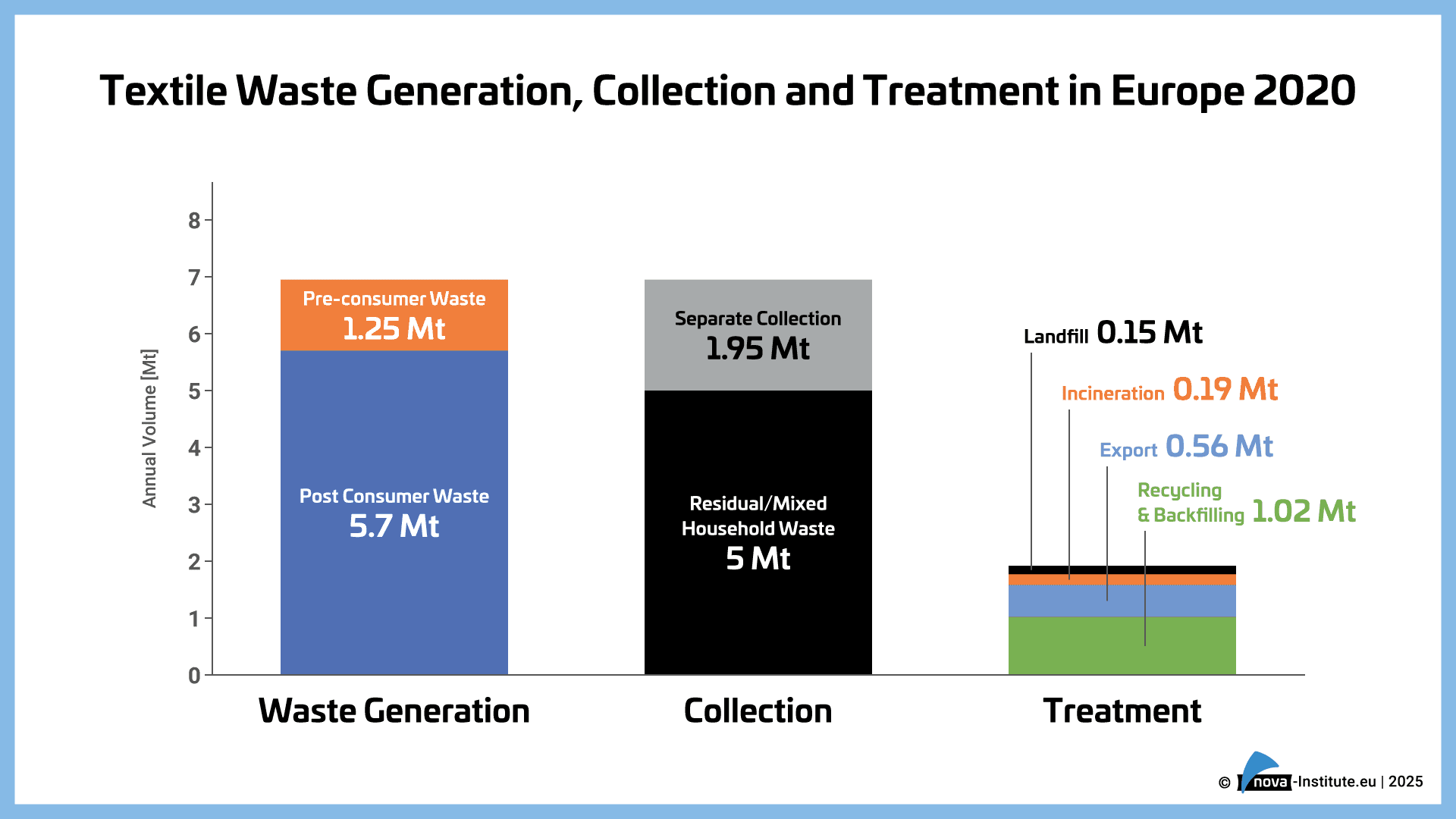
The numbers are stark. Reconomy says more than 6,000 metric tons of hospitality textiles, mainly bed, bath and table linens, are lost each year in the UK. In healthcare, the figure rises to about 42,000 metric tons of clinical gown textile waste annually, alongside the loss of around four million individual linen items. The company’s earlier research put the global picture in even harsher focus, estimating that 120 million metric tonnes of textile waste were generated in 2024, with around 80% landfilled or incinerated.
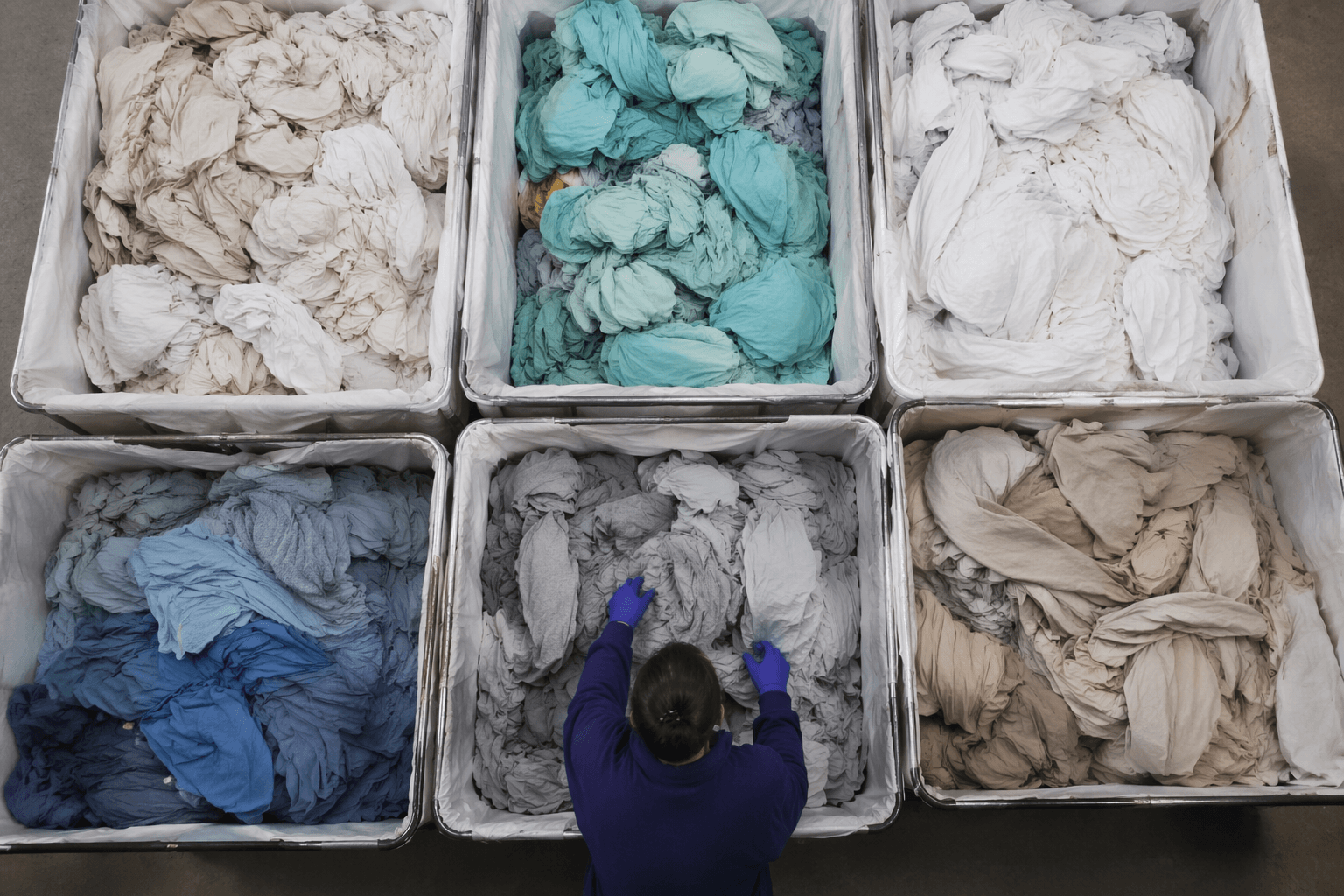
What makes Reconomy’s argument sharper is where it says the fix actually begins. The report focuses on five B2B textile categories, hospitality and healthcare linens, upholstered furniture textiles, automotive textiles, agricultural textiles and construction and geotextiles, and argues that progress depends less on shiny new recycling technology than on intervening earlier in existing systems. Industrial laundries, refurbishment programs, dismantling sites, farms and construction projects are the pressure points. That is where volumes can be gathered, cleaner streams separated and data made visible enough to support reuse or reprocessing at scale.
The UK has already seen the shape of that problem. The Textile Services Association warned in October 2023 that the NHS loses over 80% of its linen each year, and that around 90% of NHS linen is owned by commercial laundries. It put those losses at four million pieces of linen and about 7,600 tonnes of carbon, and has been working with the NHS to reduce wastage. NHS England’s clinical waste strategy also targets a 30% cut in carbon emissions from clinical waste, with actions tied to data, workforce, compliance, commercial practice, infrastructure and sustainability.

Reconomy is framing the issue as regulatory as well as operational. In July 2025, it published a global textiles EPR strategy paper that pushes extended producer responsibility toward producer accountability for collection, reuse, recycling and disposal, while also elevating eco-modulation, digital product passports and supply-chain transparency. The message for the UK market is clear: circular textiles are possible, but only if procurement, laundry systems, waste contracts and sorting infrastructure are redesigned to catch the material before it becomes someone else’s disposal cost.
This article was produced by Prism’s automated news system from verified source data, official records, and press releases, then run through automated quality and moderation checks before publishing. The system is built and supervised by the people who set the standards it runs under. Read our full AI policy.
Did this article answer your question?