RicRack turns textile waste into resale, classes and recycling in New Orleans
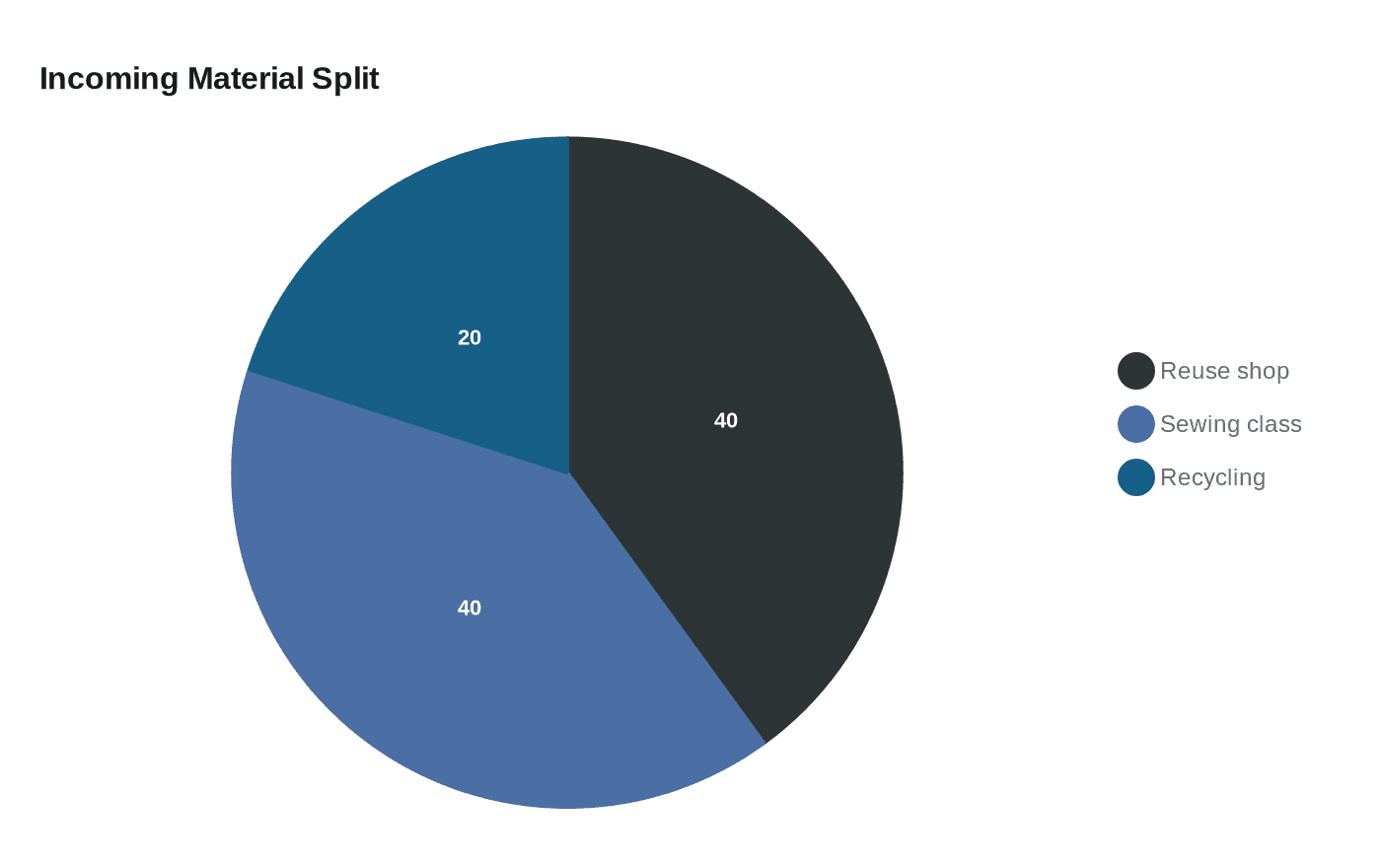
RicRack sends donated fabric to resale, sewing classes or recycling, with about 40 percent sold and 20 percent turned into new feedstock.

RicRack has turned New Orleans’ textile castoffs into something with actual traction: money on the rack, fabric under a sewing machine, or a second life as recycled feedstock. About 40 percent of incoming material is sold through its creative reuse shop, 40 percent is used in sewing classes, and roughly 20 percent goes to textile recycling.
That split is the whole point. Founded in 2012 by Alison Parker, whose background runs through Cirque du Soleil costume work and film and TV wardrobe, RicRack grew from a first home in the French Quarter into its own space in Central City on Martin Luther King Jr. Boulevard. The nonprofit’s mission is blunt and useful, transform textile waste into opportunity, teach heritage skills, and build a sustainable New Orleans. Inside that structure, the creative reuse shop and community sewing studio serve both youth and adults, which gives the place more edge than a standard donation center ever could.
The scale of the waste problem makes the model feel less niche than necessary. The U.S. Environmental Protection Agency estimated that 17 million tons of textiles were generated in municipal solid waste in 2018, and only 15.8 percent was recycled. RicRack also points to a broader reality that the average American throws away about 82 pounds of textiles a year. In a country still treating clothing like disposable packaging, RicRack is doing the boring, essential work of keeping fabric in circulation long enough to matter.
The organization’s reach goes beyond resale. RicRack partners with the Lower Nine Center for Sustainable Engagement and Development to turn textile scraps into storm-drain filters, part of a plan to manufacture and dispatch 500 filters for flood resilience in the Lower Ninth Ward. That is the kind of neighborhood-scale circularity other cities can actually copy: local collection, local sorting, local skills training, local reuse, then a hard utilitarian end for what cannot be saved.
RicRack has also made the model visible in public, not just behind the scenes. Its first RE-Makers Market and RE-Use Silent Auction, held April 22, 2026 at 321 Burgundy Street in the French Quarter, put upcycled goods and textile recycling workshops in front of the city, while reinforcing Parker’s secondhand-first ethic. This is not charity dressed up as sustainability; it is a working system for keeping clothes, skills and material value in New Orleans.
This article was produced by Prism’s automated news system from verified source data, official records, and press releases, then run through automated quality and moderation checks before publishing. The system is built and supervised by the people who set the standards it runs under. Read our full AI policy.
Did this article answer your question?


