Södra and Lycra unveil lower-impact fibers for circular fashion applications
Södra mixed softwood fibres with oat hulls, while Lycra pushed a nonwoven stretch fiber into Geneva, both betting scale can make circular materials real.
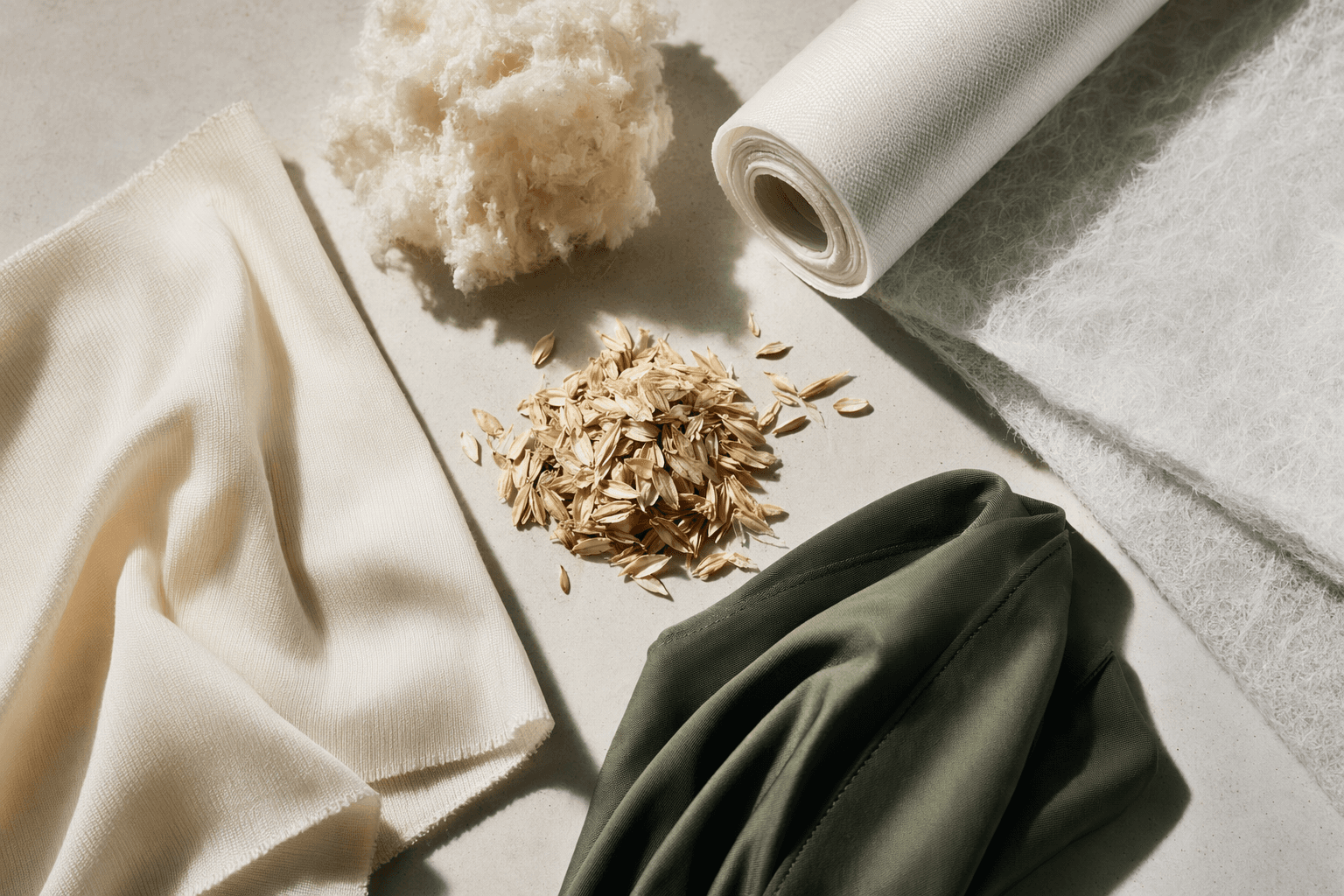
Södra blue S and LYCRA ADAPTIV arrived as two very different answers to the same fashion problem: how to engineer lower-impact materials that still behave under pressure. One came out of Sweden’s forest and grain supply chains, the other out of high-performance stretch chemistry, but both were framed around the same make-or-break question for circular fashion: can a promising input survive the jump from announcement to industrial scale?
Södra launched Södra blue S on May 7, a new paper pulp that combines softwood fibres with oat hulls from Swedish grain processing. The company said the process allows forest fibres and agrofibres to be combined directly in the pulp stage, with gains in yield and strength. That matters because Södra is not a niche experimenter. It is Sweden’s largest forest owners’ association, with more than 50,000 members, and its materials strategy already extends from dissolving pulp to textile recycling through OnceMore. In other words, this is a supplier with an industrial footprint, not a lab with a mood board.
The appeal of blue S lies in its practicality. Oat hulls are a byproduct, not a new crop, and blending them into pulp gives the material a circular logic that fashion has been chasing for years. The question now is less about the story than the supply chain: whether this kind of forest-and-agri hybrid can be produced consistently enough, in quantities large enough, to move beyond specialty applications and into the volume channels that define modern apparel.
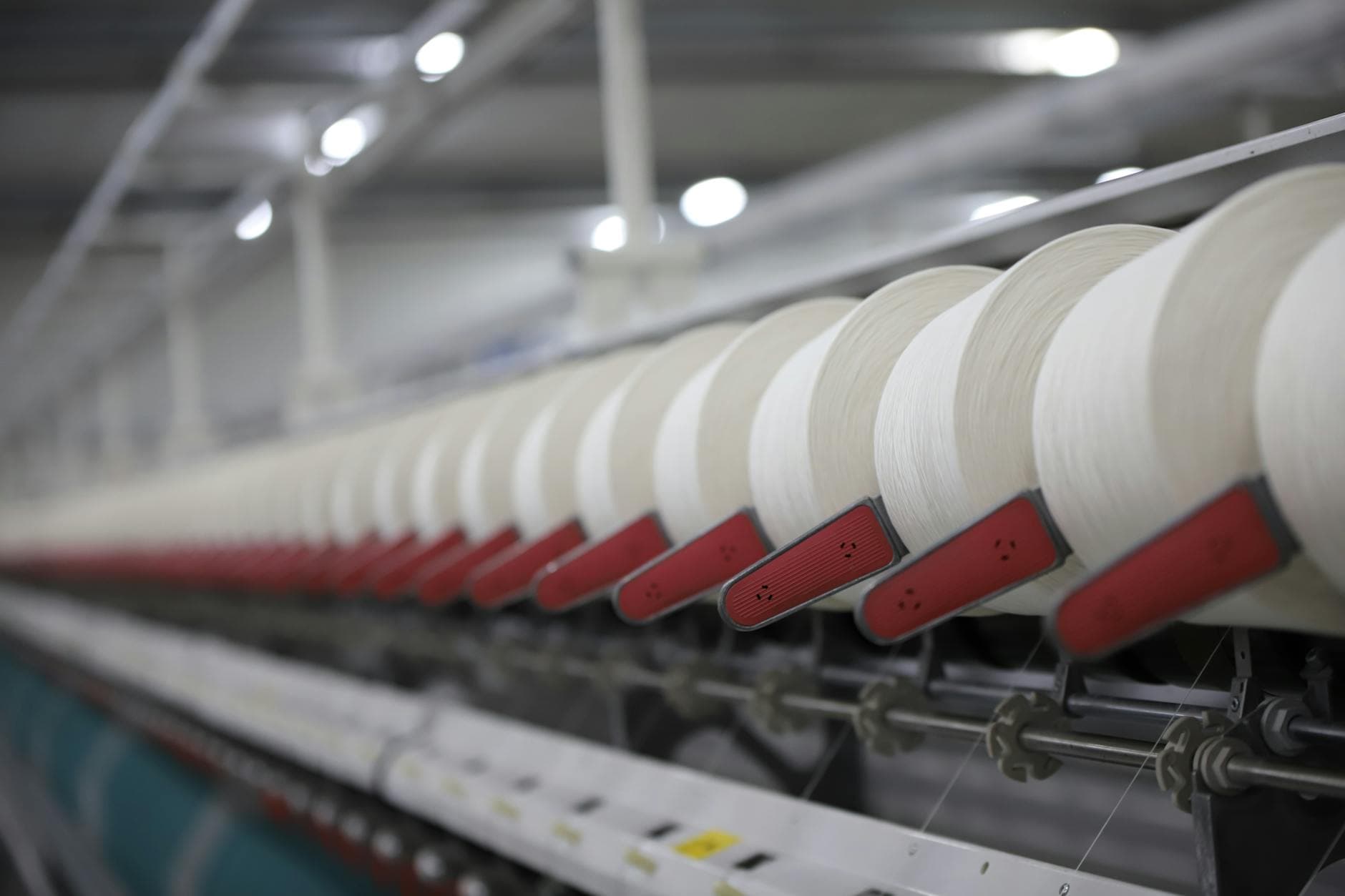
The Lycra Company made a different but equally strategic move on May 13, announcing the global launch of LYCRA ADAPTIV fiber for nonwovens at INDEX 26 in Geneva, Switzerland, from May 19 to 22. The target market is not the runway but the daily architecture of disposable hygiene, including baby diapers, adult incontinence and feminine care. The fiber is designed to address fit flexibility, shape retention, comfort in motion, ease of use and stay-in-place performance, a reminder that some of the most consequential textile innovation happens in places fashion rarely photographs.

That positioning gives LYCRA ADAPTIV a clearer route to scale than many sustainability concepts. Nonwovens are built for volume, and performance claims matter as much as environmental ones. The fiber has already been nominated for an INDEX Award in raw materials, and The LYCRA Company has described it as trusted by leading global apparel brands. Still, the commercial hurdle is the same one facing every lower-impact material: proving that better performance, cleaner inputs and smoother production can coexist at the line level, not just in a launch deck.
Together, these launches show where circular materials are headed next. The winners will be the ones that can deliver not only a better narrative, but a measurable place in production.
This article was produced by Prism’s automated news system from verified source data, official records, and press releases, then run through automated quality and moderation checks before publishing. The system is built and supervised by the people who set the standards it runs under. Read our full AI policy.
Did this article answer your question?


