Spring Capsule Wardrobes Help Cut Waste, Extend Clothes' Life
Spring capsules are shifting from polished wishlist to practical systems: shop your closet, swap, upcycle, and let fewer pieces do more work.
Why the capsule feels different now
The appeal of a spring capsule wardrobe is no longer just that it looks neat in a closet photo. It is that it forces a harder, more useful question: do you really need another top, or do you need a better system for wearing the clothes you already own? The Good Trade’s spring edit leans into that shift with a simple, pragmatic brief, start with your closet, host a swap, use DIY and upcycling ideas, and build a smaller wardrobe around pieces that can last beyond one season.
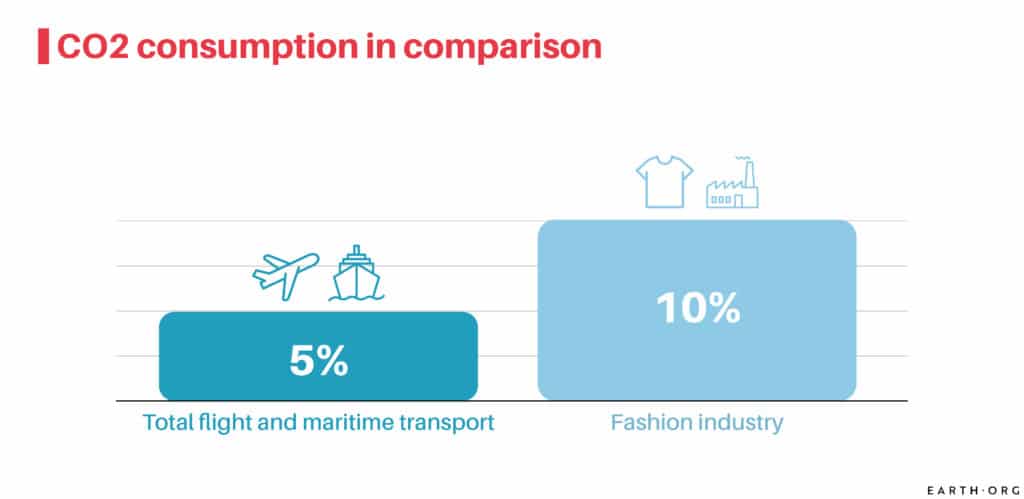
That approach lands now because the waste problem is no longer abstract. The United Nations Environment Programme says the textile industry produces 2 to 8 percent of global greenhouse gas emissions and uses 86 million Olympic-sized swimming pools worth of water every year. The European Environment Agency added a sharper European snapshot in March 2025, saying clothing, footwear and other textile consumption in the EU hit a new record high and ranked fifth out of 12 household consumption categories for environmental and climate pressures. If the goal is to cut waste, the capsule wardrobe is not a mood board. It is an intervention.
Start with the closet you already have
The smartest spring capsule begins with a ruthlessly edited inventory, not a checkout cart. The Good Trade’s guidance is clear on that point: shop your closet first, then build outward only if a gap remains. That matters because the easiest way to create more sustainable consumption is to slow the reflex to replace something simply because it feels familiar, tired, or last month’s version of style.
In practice, this means looking for the pieces that already do the most work. A crisp shirt that can sit under a blazer, open over a tank, or tuck into trousers has more value than a novelty blouse that only succeeds in one outfit. A straight-leg jean, a white tee with good structure, a lightweight knit, a trench, and a flat shoe can cover the awkward middle ground between cold mornings and warm afternoons without multiplying your wardrobe. The capsule mindset is less about deprivation than about repeat styling value: if a piece cannot be worn at least three ways, it probably does not deserve much room.
What to buy, and what to skip
A spring capsule should feel fresh, but freshness is not the same as churn. The best additions are the ones that replace disposable habits, not mimic them. That means choosing pieces with enough versatility to survive more than one season, in fabrics and silhouettes that still make sense after the trend cycle moves on.
- A jacket that layers cleanly over tees, dresses and knitwear
- Trousers that work with both sneakers and low heels
- A shirt or knit with enough structure to look intentional on repeat
- One or two shoes that can anchor multiple outfits without collapsing into sameness
What earns a place:
- Pieces you would only wear for a photo
- Trend items with no clear second styling life
- Cheap duplicates of things you already own
- Anything that feels like a stopgap for better wardrobe planning later
What to skip:
Cost-per-wear is the real filter here. A more considered piece can justify a higher upfront price if it replaces several low-quality purchases over a season. The point is not to buy expensive clothing for its own sake. It is to spend once, wear often, and stop feeding the fast-fashion loop that turns closets into overflow bins.
The low-lift sustainability moves that actually change behavior
The capsule wardrobe conversation gets more convincing when it moves beyond buying new. The Good Trade also points readers toward clothing swaps and DIY or upcycling ideas, and those are not cute side notes. They are the practical tools that turn sustainability from intention into habit. A swap gives unloved pieces a second life without the energy cost of a new purchase. A hem change, button replacement, crop, dye, or simple tailoring adjustment can make an old item feel current again.
That is where the capsule model becomes more powerful than a shopping list. It changes the rhythm of consumption by making alteration, repair and rewear part of getting dressed. A sweater worn with a skirt one week and layered under overalls the next is not just versatile. It is evidence that the wardrobe is doing its job instead of demanding another transaction.
Why the broader system is pushing in the same direction
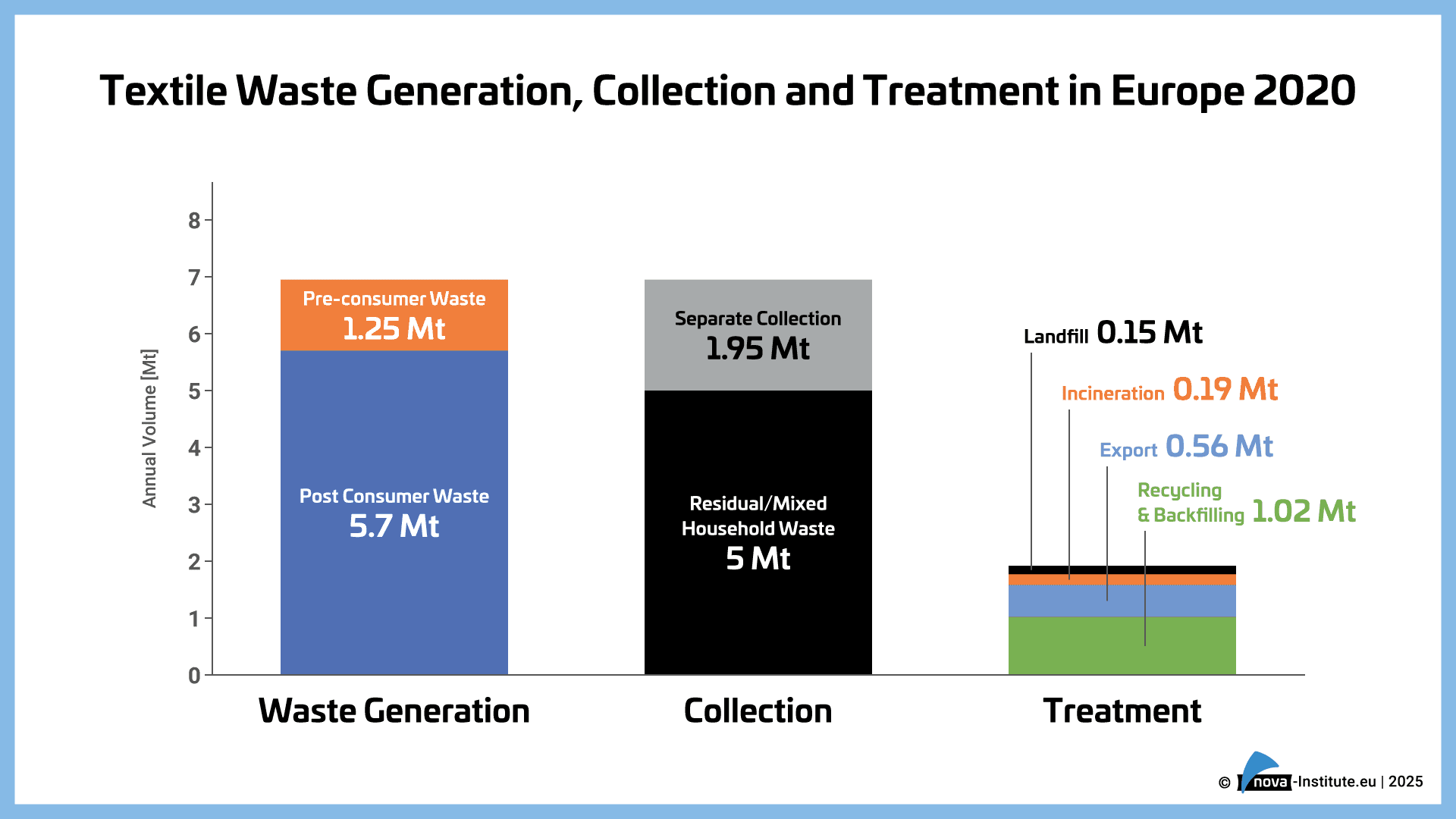
The case for fewer, longer-lived clothes is coming from every direction. The U.S. Environmental Protection Agency says discarded clothing is the main source of textiles in municipal solid waste, and the U.S. Government Accountability Office reported in 2024 that textile waste has been increasing over the past 20 years in the United States, in part because of fast fashion. That is the hidden cost of constant novelty: more fabric, more landfill pressure, more garments treated as temporary.
Industry groups are also acknowledging that the old model no longer works. The Ellen MacArthur Foundation says today’s fashion industry is linear and should become circular. The United Nations Framework Convention on Climate Change’s Fashion Charter connects raw material producers, textile producers, apparel manufacturers and brands to accelerate climate action. Together, those efforts point to the same conclusion: durability is not a niche value anymore. It is the groundwork for the next version of fashion.
How to build a spring capsule that feels like your style
A good capsule should not look sparse or severe. It should look edited, personal and alive. The best ones mix texture and structure so the wardrobe does not flatten into uniformity. Think cotton poplin against fluid twill, a soft knit beside a sharp blazer, a clean sneaker with a polished loafer, a loose silhouette balanced by something tailored.
The real test is whether the pieces can absorb your actual life: commuting, weekends, dinners, last-minute plans, weather swings, laundry timing. If the wardrobe only works when everything is pristine and newly pressed, it is too fragile to reduce waste. If it can be worn, reworn and restyled without feeling stale, then it is doing what the capsule promise has always hinted at but rarely delivered: fewer purchases, more outfits, and clothes that stay in the rotation long enough to matter.
That is why the spring capsule wardrobe feels more useful now than aspirational. It is not about owning less for the sake of restraint. It is about owning better, wearing longer, and making sure each piece earns its place before another one enters the closet.
This article was produced by Prism’s automated news system from verified source data, official records, and press releases, then run through automated quality and moderation checks before publishing. The system is built and supervised by the people who set the standards it runs under. Read our full AI policy.
Did this article answer your question?