Tanzania and Brazil launch cotton child-labor initiative to protect workers
Tanzania and Brazil have turned cotton child-labor reform into a sourcing model, with farm-level safeguards, inspections and social protection aimed at Simiyu’s cotton fields.
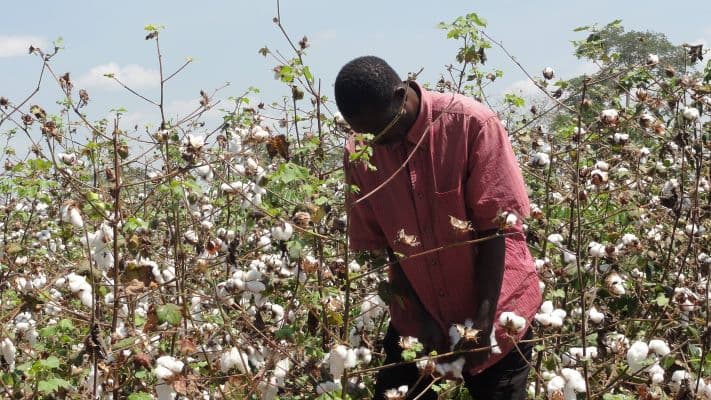
Cotton sits at the clean, matte end of fashion’s supply chain, but its ethics can fray long before a fiber reaches a spinning mill. That is why the March 4, 2024 launch of the Promotion of Decent Work in the Cotton Value Chain in Tanzania matters: Tanzania and Brazil, with the International Labour Organization, are trying to build child-labor prevention into the raw-material stage rather than asking brands to fix problems after the fabric is already cut and sewn.
The project was approved during the 2023 Annual Labour Conference in Dar es Salaam and will be implemented in Meatu district, in Simiyu region, the area the ILO identifies as producing the highest share of Tanzania’s cotton. It is part of the ILO-Brazil South-South Cooperation Programme 2023-2027, called Social Justice for the Global South, and also sits inside the longer-running Cotton with Decent Work project launched in 2016. The ILO says the new work is meant to break the cycle of child labour, poverty and inequality by strengthening labour inspection, promoting occupational safety and health, and expanding social security coverage in cotton-producing areas.
For fashion brands that market ethical procurement, the appeal is obvious. This is not a vague pledge about “traceability” in a boardroom; it is a practical intervention in a commodity zone where labor conditions, family income and crop economics are tightly bound together. Tanzania’s agricultural sector contributes about 70 percent of household income and employs roughly 80 percent of the workforce, while cotton is described by the ILO as the country’s second-largest foreign currency generator. The ILO-Brazil program running from January 1, 2015 to December 31, 2026 carries a budget of US$8,141,176, a scale that suggests infrastructure, not symbolism.
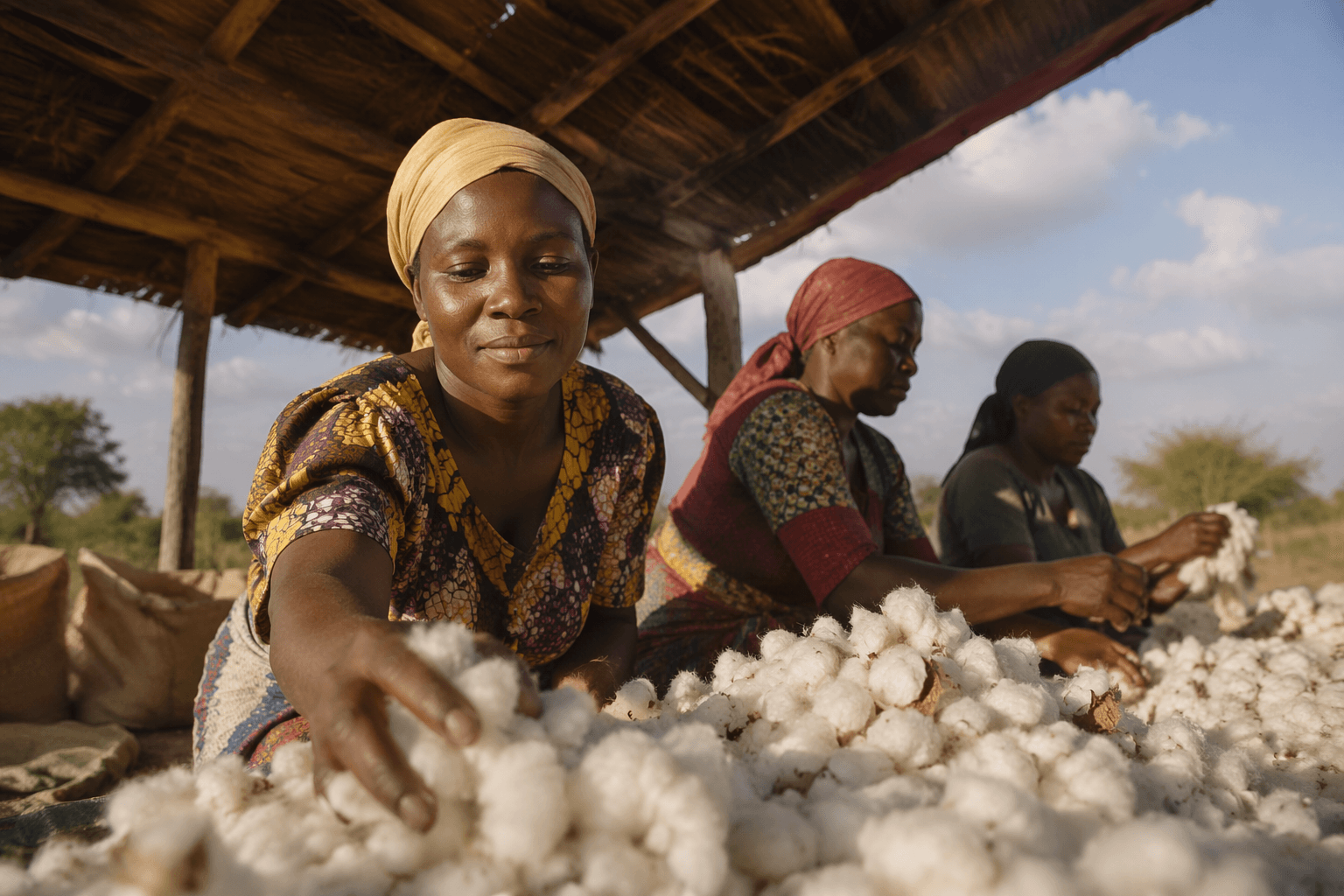
The stakes are stark. A UNICEF, National Bureau of Statistics and Office of the Chief Government Statistician report published in November 2024 found that in 2021 more than 5 million Tanzanian children aged 5 to 17 were engaged in child labour, with national prevalence at 25.3 percent. The same report said 84.1 percent of child labour occurred in agriculture and that hazardous child labour affected 24.3 percent of children, often through long hours, heavy loads, dust, fumes, gases and night work. UNICEF also said child labour fell between 2014 and 2021, but remained concentrated among rural children, out-of-school children, children without birth certificates and those from the poorest households.
The real test now is whether Meatu becomes a model brands can plug into, with functioning inspections, better farm practices and social protections that hold at village level, not just in annual sustainability reports. In Tanzania, where law already prohibits employment of children under 14, the most persuasive luxury in cotton is accountability that can be measured field by field.
This article was produced by Prism’s automated news system from verified source data, official records, and press releases, then run through automated quality and moderation checks before publishing. The system is built and supervised by the people who set the standards it runs under. Read our full AI policy.
Did this article answer your question?


