The Good Trade updates guide to 99 ethical clothing brands
The new 99-brand roundup is really a reality check: affordable sustainable fashion only works when price, proof, and wearability line up.
The cheapest tee in the cart is not cheap if it falls apart after five washes. That is the whole point of The Good Trade’s updated guide, which rounds up 99 ethical, fair trade, and eco-friendly clothing brands across budget ranges and asks a harder question than most shopping lists do: what are you really paying for?
The answer is usually a trade-off. Sometimes you get a lower price and thinner proof. Sometimes you get better materials and cleaner labor standards, but fewer frills. The Good Trade has spent a decade researching and living in sustainable fashion, and its 350,000-reader newsletter community has turned that long view into a useful filter, not a halo. This guide works because it treats “affordable” and “sustainable” as separate promises that only occasionally overlap neatly.
The price tag is the easy part
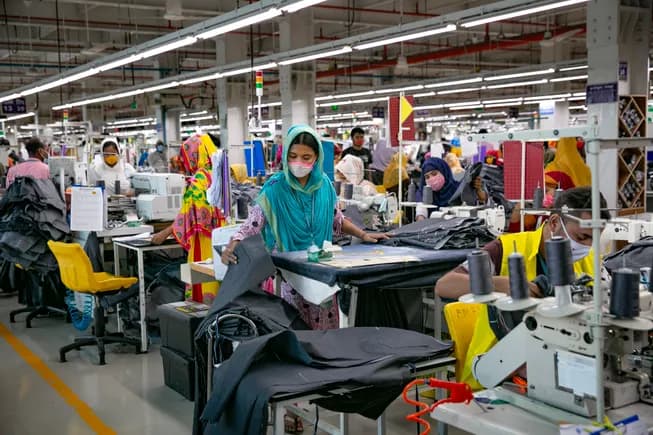
Fast fashion trained people to think a bargain means victory. It does not. The industry keeps prices low by squeezing labor, skimping on durability, and moving volume faster than the planet can absorb it. The United Nations says fashion can account for up to 8 percent of global greenhouse gas emissions and uses 215 trillion liters of water a year. UNEP puts textile emissions at 2 to 8 percent of the global total and says the sector uses 86 million Olympic-sized swimming pools’ worth of water annually.
Those numbers are why a $18 dress with a soft hand and a cute drape is not automatically a win. If it pills quickly, distorts in the wash, or is designed to be replaced after a season, it is just a prettier version of the same waste machine. The Good Trade’s framing is blunt for a reason: fast fashion depletes resources and leans on labor to keep prices low, and that bargain lands somewhere, usually on workers and landfills.
The real cost of “affordable”
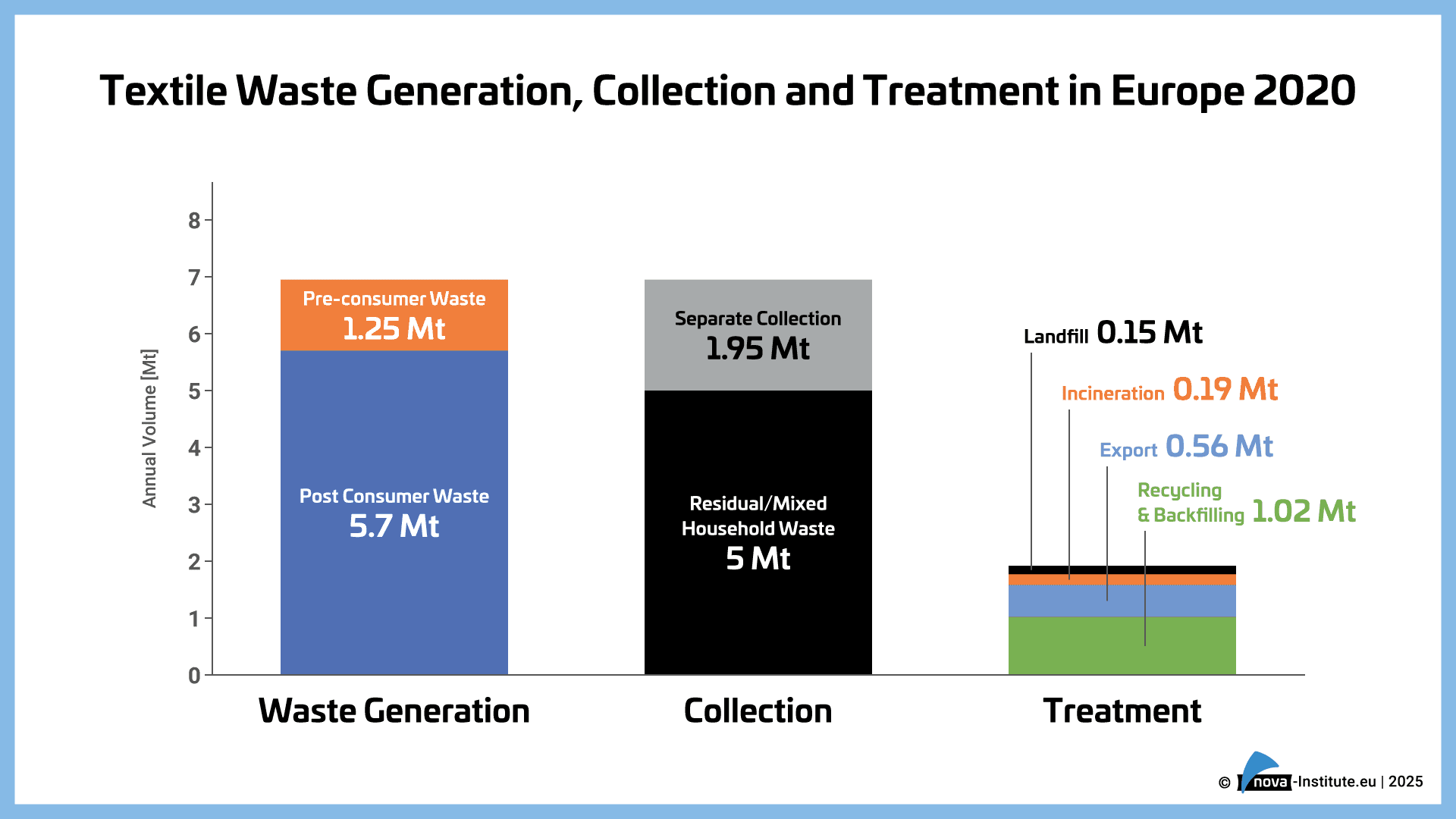
Affordable sustainable fashion in 2026 is less about finding the lowest sticker price and more about understanding the full bill. The Ellen MacArthur Foundation says every second, one truckload of clothing is landfilled or burned. UNEP says 92 million tonnes of textile waste are produced globally every year, while clothing production doubled between 2000 and 2015 even as the average duration of garment use fell 36 percent.
That is the gut punch. We are making more clothes and wearing them for less time. A guide to 99 ethical brands matters because it gives readers options at different price points, but the real value is in teaching a sharper eye. A sustainable piece should earn its keep in repeat wears, easy care, and construction that survives being lived in, not just photographed in.
What to check before you trust the label
The phrase “ethical clothing” gets thrown around so loosely that it has started to sound like marketing perfume. The smarter move is to look for specifics, not vibes. Fashion Revolution’s 2024 “What Fuels Fashion?” report reviewed 250 of the world’s largest fashion brands and retailers on climate and energy disclosure, and that is the real shift in this market: transparency is no longer optional if a brand wants to be taken seriously.
Here is the filter that matters most:
- Certification credibility: Look for verifiable standards, not vague eco language. If a brand says fair trade or ethical, it should show how that claim is backed.
- Materials: Ask what the fabric is, how it ages, and whether it is chosen for durability or just for a softer Instagram story.
- Size range: A brand that calls itself inclusive but stops at a narrow run is still excluding people. True value should fit more than one body type.
- Durability: Construction matters. Seams, hems, fabric weight, and wash behavior tell you more than a polished campaign ever will.
- Labor transparency: If a brand will not talk clearly about who makes the clothes, where they are made, and under what conditions, the discount may be hiding exploitation.
That last point is non-negotiable. In 2024, UN platforms were still underscoring that textile workers face exploitation, underpayment, forced labor, health risks, and abuse. Sustainable fashion is not only about recycled fibers or earthy color palettes. It is a labor story, a justice story, and a supply-chain story, all at once.
Why the guide’s budget spread actually matters
One smart thing about The Good Trade’s update is that it does not pretend everyone shops the same way. The 99-brand roundup stretches across budget ranges, which is important because the sustainable-fashion conversation has too often behaved like it was only for people with luxury spending power. That is lazy. The market is broad because consumers are broad.
YouGov’s 2023 Sustainability in Fashion report surveyed 12,000 consumers across the United States, Great Britain, Germany, Italy, and France, and found that more than 70 percent were either thinking about buying sustainable clothing or had already bought it. Euromonitor International’s 2024 Sustainability Survey found that 45 percent of global consumers try to have a positive impact on the environment through everyday actions. The demand is there. The frustration comes from sorting real value from greenwashed affordability.
That is where budget becomes a lens, not a verdict. A lower-priced brand can still be worthwhile if it is transparent, durable, and honest about what it can and cannot do. A more expensive label can still be a disappointment if it sells you polished storytelling instead of measurable standards.
The cleaner way to shop now
The old question was whether sustainable fashion was worth the extra money. The smarter question is whether the extra money buys you anything concrete: better materials, better labor practices, better wear, or all three. The Good Trade’s guide is useful because it treats that calculation as practical, not moralistic.
The circular-economy case is strong, too. The Ellen MacArthur Foundation says moving fashion toward circular models could unlock a USD 560 billion economic opportunity. That is not a niche idealist’s dream; it is a signal that the industry’s future depends on keeping clothes in use longer, not dumping them faster. The brands that will matter most are the ones that can prove they deserve space in your closet and time in your rotation.
That is the reality check. Affordable sustainable fashion is not about finding a magic cheap buy that absolves the system. It is about choosing pieces that wear hard, last longer, disclose more, and leave less damage behind.
This article was produced by Prism’s automated news system from verified source data, official records, and press releases, then run through automated quality and moderation checks before publishing. The system is built and supervised by the people who set the standards it runs under. Read our full AI policy.
Did this article answer your question?