Turkey pushes sustainable textile shift amid factory closures
Twenty factory closures are pushing Turkey’s textile makers to treat sustainability as survival, not branding, with new projects targeting carbon, energy and water.
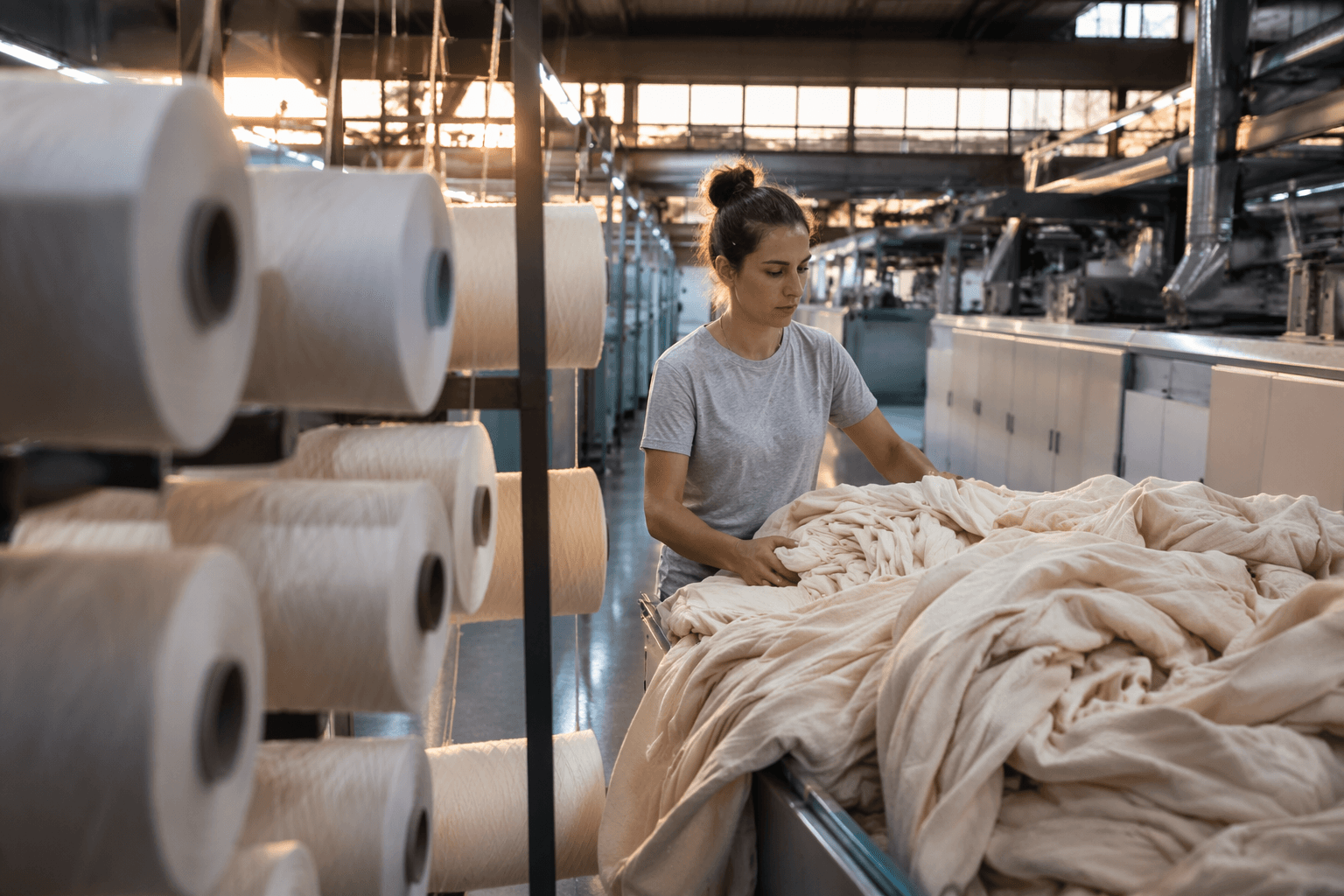
Turkey’s textile industry is trying to keep its sustainability push alive at the same time that factory closures are piling up. A project led by the Aegean Textile and Raw Materials Exporters’ Association, known as ETHİB, is designed to build supplier capability in sustainable production, carbon management, energy efficiency and circular textiles, a cleaner-production toolkit that now looks less like an upgrade than a lifeline.
The pressure on the sector is immediate. Sözcü reported that 20 textile factories had recently closed, and the wider picture is grim: rising production costs, inflation and an unstable exchange rate have eroded competitiveness, pushing brands to move sourcing elsewhere and leaving layoffs in their wake. In September 2025, Gelişim Tekstil, a supplier to The North Face, became a stark symbol of that strain, showing how quickly global order books can tighten when Turkey’s costs rise faster than its margins.
That is why the country’s sustainability shift matters beyond polished corporate language. Turkey’s apparel and textile associations have spent years building a policy framework around the EU Green Deal. TGSD says its sustainability strategy and action plan was completed on January 30, 2023, and it lays out 40 actions under six pillars. The point is not abstract virtue. For factories under pressure, the real prize is more durable access to European buyers, better compliance with tightening environmental requirements and a chance to protect exports by lowering the cost of waste, energy and carbon.
The sector has also moved beyond strategy documents into financing. A separate €7 million, three-year EU-funded Transition to Green Economy Project, coordinated by İHKİB, is aimed at reducing carbon and water footprints across ready-made garments, textiles, chemicals and logistics. That mix is telling. The industry is no longer talking only about fabric and finishing, but about the full chain that gets a shirt from mill to market, and about whether cleaner production can make Turkish suppliers more resilient than the factories that are closing.
The numbers that will show whether this transition is real are already being tracked. TÜİK, Turkey’s official statistics agency, publishes the trade and macroeconomic data that reveal how the sector is performing, while OTEXA, the U.S. Commerce Department’s textiles and apparel office, tracks trade flows in one of Turkey’s most important export markets. In a season of shutdowns, sustainability is being tested as an operating strategy, not a slogan, and Turkey’s mills are betting that efficiency, compliance and lower footprints can keep them in the business long enough to matter.
This article was produced by Prism’s automated news system from verified source data, official records, and press releases, then run through automated quality and moderation checks before publishing. The system is built and supervised by the people who set the standards it runs under. Read our full AI policy.
Did this article answer your question?


