Turkey’s textile exporters turn to hemp as costs rise
Turkey’s mills are betting hemp can do more than look green: fiber output jumped 238.7% to 1,216 tons, even as exporters chase margin and buyers.

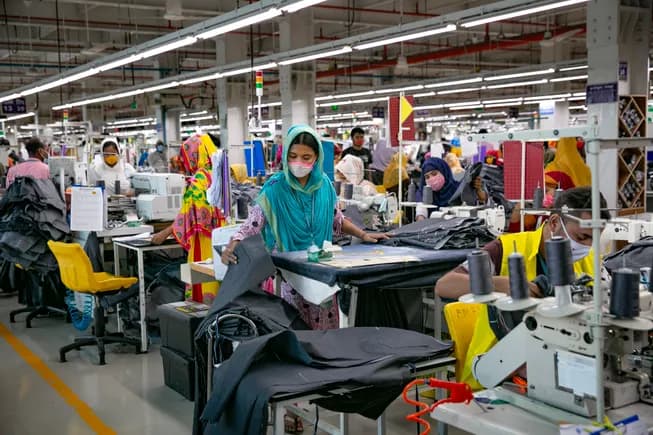
Turkey’s textile exporters are not reaching for hemp because it sounds virtuous. They are reaching for it because labor costs are up, financing is tight, inflation is still chewing through margins, and cheaper producers keep squeezing the middle. In that kind of market, hemp and hemp-cotton blends start to look less like a sustainability slogan and more like a survival tactic.
The pivot is still early, but it is real. Hemp accounts for only a tiny slice of Turkey’s textile and apparel exports, yet the material has moved out of the research lab and into commercial product lines. That matters. Once a fiber gets from concept boards to sourcing tables, it stops being mood-board fluff and starts competing on hand feel, consistency, and price. Arzu Kaprol, who curated the concept behind the Innovation Hub, said the conversation has shifted fast: “Everybody is comparing hemp with cotton now.”

That comparison is the whole game. Cotton is familiar, scalable, and deeply embedded in Turkey’s manufacturing base. Hemp has the sharper story right now: shorter growth cycle, a tougher industrial identity, and a chance to help exporters move up the value chain instead of racing lower on cost. The question is whether the supply chain can keep up. Turkey legalized industrial hemp cultivation under a 2016 regulation, first in 19 provinces and later in 21, with permits and state control built into the system. That framework gave the sector a lane, but not yet the full-speed highway it needs.
The numbers show momentum, though not maturity. Hemp fiber production jumped 238.7% year on year to 1,216 tons in 2024. The cultivation area for hemp fiber rose from 101,000 square meters in 2020 to 8,845,000 square meters in 2024, while cannabis seed cultivation expanded from 4,252,000 square meters to 7,206,000 square meters over the same period. That is a serious buildout for a market still searching for its scale sweet spot.
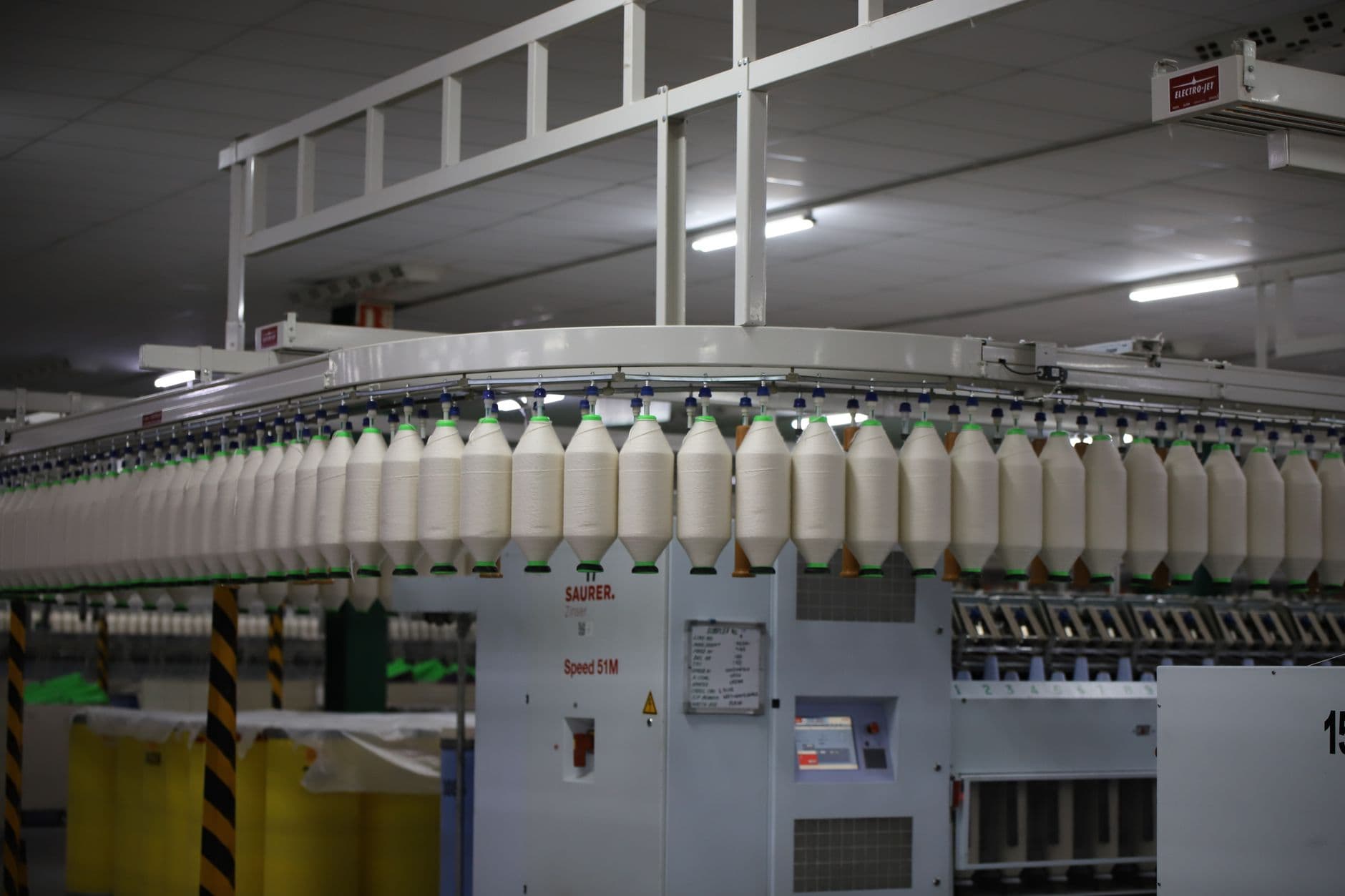
The bottlenecks are where the story gets interesting. Egedeniz Textile says it blends Turkish hemp with organic cotton and runs hemp textile projects around Izmir, which gives the fiber a real commercial foothold, not just a trade-show cameo. Keneviro has said it planned a $30 million hemp processing factory in Samsun Havza OSB, a sign that processing capacity is becoming the next battleground. If Turkey can secure cleaner processing, steadier quality, and real buyer demand, hemp could become one of the few materials that helps its textile exporters defend margin while still sounding new. If not, it stays a niche story in a sector that needs a much bigger reset.
This article was produced by Prism’s automated news system from verified source data, official records, and press releases, then run through automated quality and moderation checks before publishing. The system is built and supervised by the people who set the standards it runs under. Read our full AI policy.
Did this article answer your question?