Turkmenistan cotton forced labor worsens, supply chain risk rises
Forced labor in Turkmenistan’s cotton harvest is deepening again, and the fiber is still slipping into mills and finished goods through foreign supply chains.

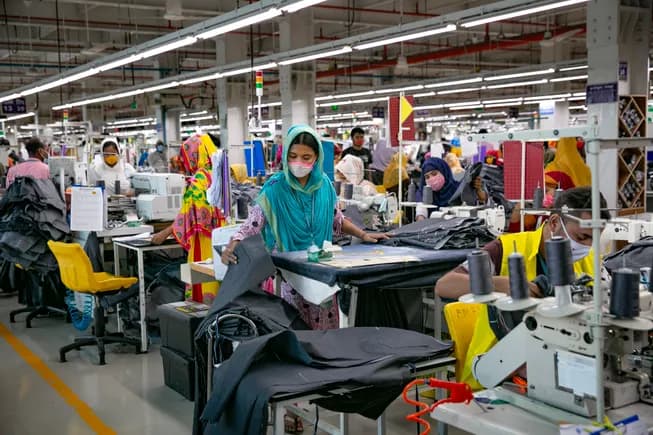
Turkmenistan’s cotton crop is becoming a cleaner liability than a cleaner fiber story. Independent civil society monitoring of the 2025 harvest found the government had reversed the modest reduction in forced labor seen the year before, with civil servants, teachers, doctors, utility workers and conscripts again mobilized, or pushed to pay for replacement pickers. The Cotton Campaign says cotton produced under those conditions still enters global markets through textile manufacturers in Türkiye and Pakistan, and through suppliers in Europe, including Portugal and Italy, leaving brands exposed even when they believe their compliance programs are working.
That is the uncomfortable part for fashion procurement teams: the risk is not confined to a single field or a single border. Once Turkmen cotton is traded, spun, blended and reprocessed through intermediary mills, origin labels and first-tier audits stop telling the whole story. The International Labour Organization published its 2024 observation report on the Turkmenistan cotton harvest on March 25, 2025, and the organization has already discussed the country’s compliance with Convention No. 105 in 2016, 2021, 2023 and 2024 because of forced-labor and child-labor concerns. Human Rights Watch says systemic forced labor remains widespread and that authorities still threaten government employees with dismissal if they refuse to go to the fields.
The policy backdrop has not softened the commercial risk. The U.S. Department of State said Turkmenistan continued policies that perpetuated the mobilization of adults and children for forced labor in the 2024 harvest, even after amending its Labor Code and adding cotton picking and cotton growing to the list of hazardous work for children. The United States banned Turkmen cotton imports in 2018, and the European Parliament called in 2021 for a ban on Turkmen goods made with slave labor. For brands, that means a supplier can look compliant on paper while still carrying material reputational and legal exposure in the chain.
The Cotton Campaign also drew a sharp comparison between harvests. In 2024, some doctors and teachers were not mobilized in certain regional hospitals and schools, which the coalition treated as a limited improvement. By 2025, it said those preliminary steps had been reversed, while independent monitors had seen similar shifts in 2023. The government also did not publicly prohibit forced labor or hold officials accountable, a familiar weakness in systems built on coercion rather than consent.

Ruslan Myatiev said mobilizing school teachers and kindergarten nannies creates staff shortages and harms education quality, and Raluca Dumitrescu argued that dismantling the system requires broader reforms that protect fundamental labor rights, empower workers and farmers, and stop retaliation against activists. A 2026 to 2027 ILO-EU project is now aimed at child labor and forced labor in the sector, but for fashion companies the immediate lesson is more practical: country-level assurances are not enough, and procurement has to trace cotton past the trader, past the spinner, and all the way to the bale.
This article was produced by Prism’s automated news system from verified source data, official records, and press releases, then run through automated quality and moderation checks before publishing. The system is built and supervised by the people who set the standards it runs under. Read our full AI policy.
Did this article answer your question?