UN study finds 96% of second-hand clothing in East Africa is rewearable
UNCTAD-backed fieldwork found 96% of imported second-hand clothes in Uganda and Tanzania could be reworn, not dumped, reshaping the waste debate.
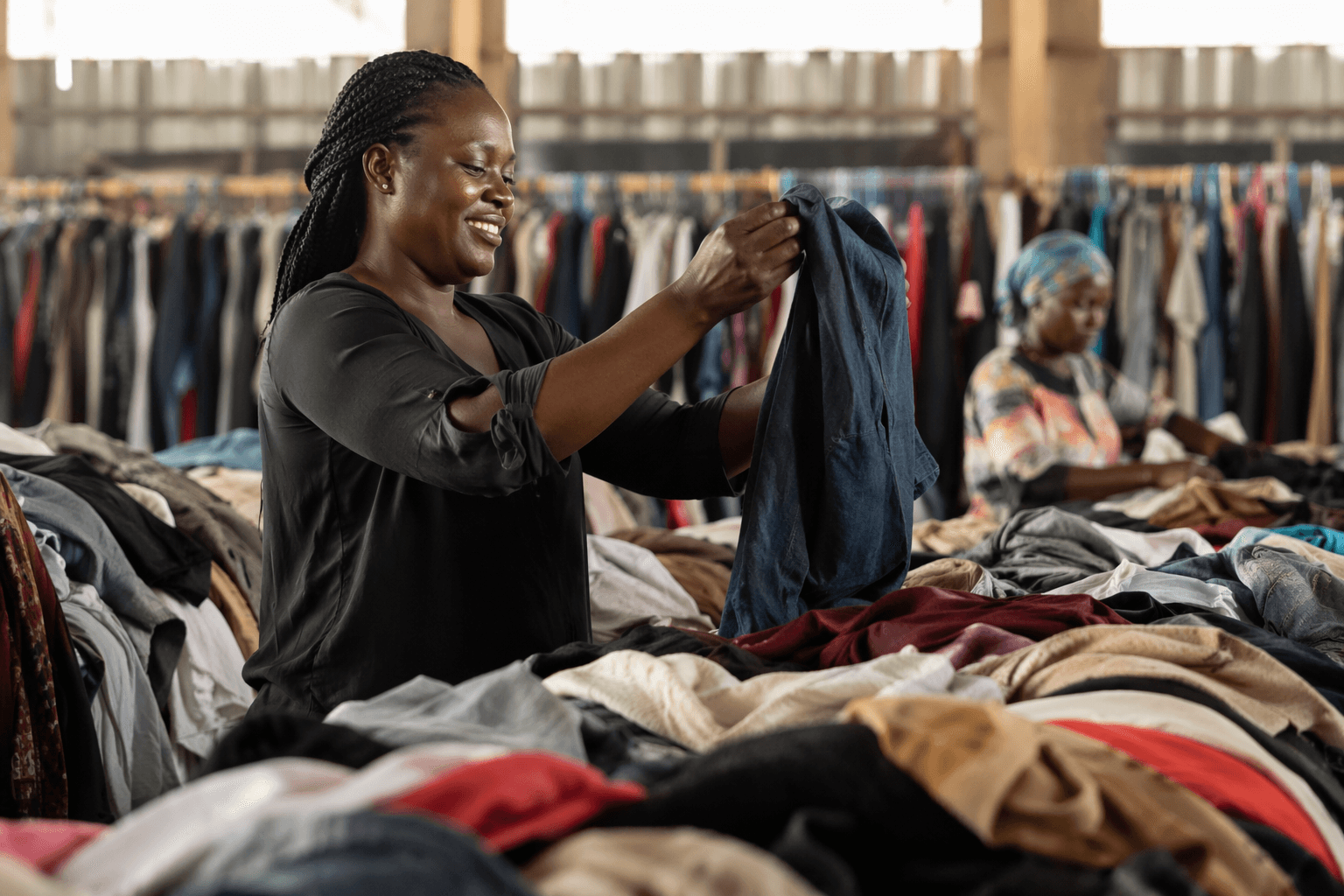
The hardest number in the second-hand clothing debate is also the clearest: 96% of imported garments studied in Uganda and Tanzania were rewearable. That finding cuts straight through the familiar claim that used clothing exports are mostly waste, and it gives new weight to what traders, repairers and buyers have long known on the ground, that the trade works as everyday fashion infrastructure.
UN Trade and Development analyzed 244,500 clothing items across major markets in Kampala and Dar es Salaam, with fieldwork at Owino Market in May and June 2024 and at Kariakoo, Ilala and Karume markets in July and August 2024. The study also surveyed 53 importers in Uganda and Tanzania. Only a small share of items was judged unusable for wear: about 2.9% to 3.2% were classified as rags, and 1.1% to 1.3% counted as textile waste.
That matters because the politics around used clothing in East Africa have never been only about waste. They have also been about price, access and jobs. At Owino Market, traders have long sold second-hand pieces because the quality is seen as reliable and the prices sit far below new garments. Millicent Mukwezi, one of the sellers there, favors U.S. clothing for exactly that reason. In a market like Owino, the trade is not an abstract climate debate. It is rent, school fees, and the steady movement of garments through hands that know how to clean, mend and resell them.
The policy backdrop is equally sharp. The East African Community announced in 2016 that it would phase out used-clothing and shoe imports by 2019, but implementation fractured across the region. Rwanda moved ahead with a major restriction, then faced pressure from the United States and was later delisted from AGOA. Kenya, Uganda and Tanzania backed away from the bloc-wide ban, and Uganda still imports second-hand garments. In practice, the market has kept functioning because demand has remained strong and because the trade supports livelihoods, especially for women.
UNCTAD’s report places that local reality inside a larger industry picture. The global clothing business is worth $1.7 trillion and employs more than 300 million people worldwide. Global fiber production rose from 116 million tonnes in 2022 to 124 million tonnes in 2023, while fashion accounts for about 2% to 8% of global greenhouse-gas emissions. Against that backdrop, the report calls for fewer regulatory inconsistencies, stronger traceability and more recycling infrastructure for the small non-rewearable fraction. It also points to East African Standard 356:2024, which requires pre-export verification of conformity and a fumigation certificate for second-hand clothing shipments.
The result is a more complicated, and more honest, picture of reuse: not a dumping ground, but a working system of supply, sorting and style that still keeps wardrobes affordable across East Africa.
This article was produced by Prism’s automated news system from verified source data, official records, and press releases, then run through automated quality and moderation checks before publishing. The system is built and supervised by the people who set the standards it runs under. Read our full AI policy.
Did this article answer your question?