UNEP makes textiles chemicals programme central to global framework meeting
Dyehouses and mills may face new scrutiny in Geneva, where UNEP will put textiles chemicals at the center of the first GFC conference.
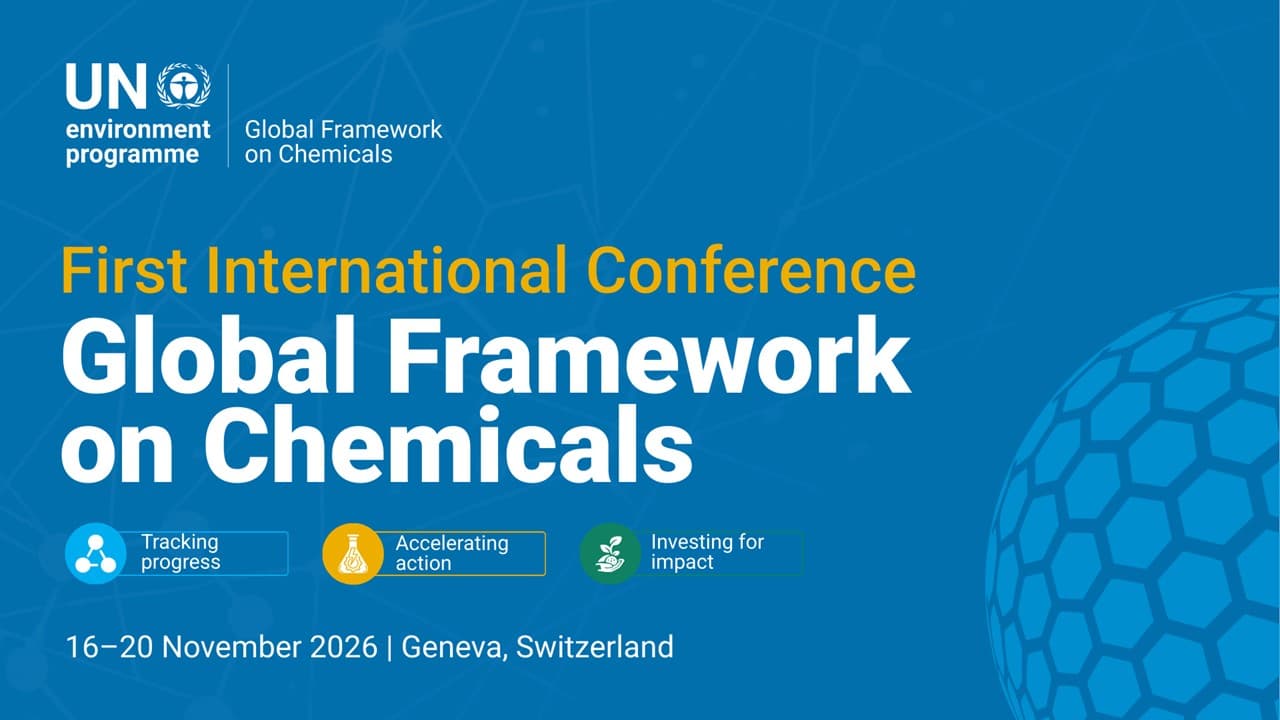
The first places to feel the shift will be the dyehouses, wet-processing mills and sourcing offices that still treat chemical inventories as back-end paperwork. UNEP has put a dedicated textiles chemicals programme at the center of the first major intergovernmental meeting under the Global Framework on Chemicals, turning a sustainability talking point into a compliance story with real supply-chain consequences.
The First International Conference of the Global Framework on Chemicals will take place from 16 to 20 November 2026 at the Geneva International Conference Centre in Switzerland. UNEP says the meeting will bring together governments, industry, companies, civil society, academia and international organizations, and the textiles file now sits alongside the broader framework discussion rather than as a side session. For brands and suppliers, that signals a harder look at hazardous substances, wastewater discharge and disclosure from fiber to finish.
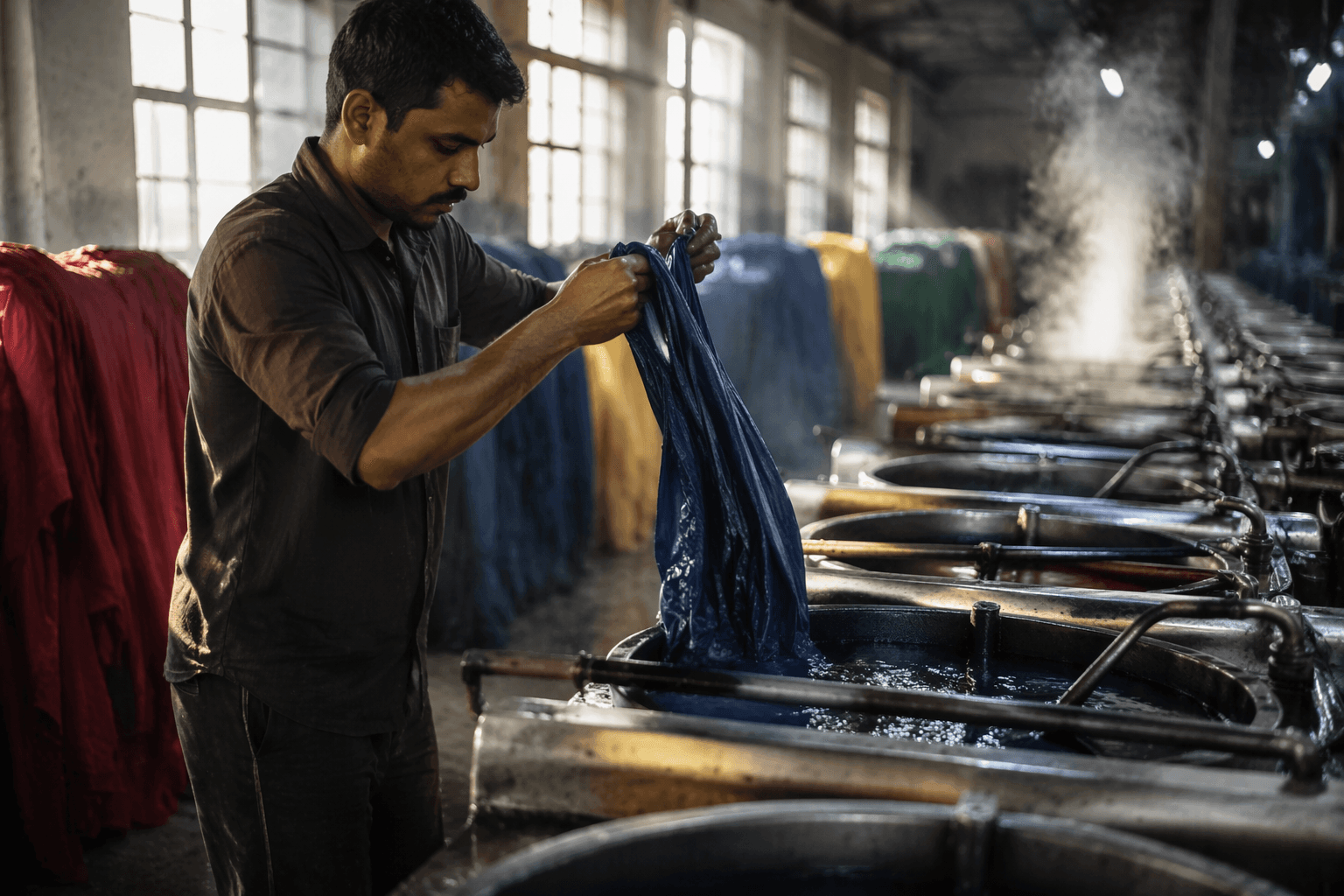
The framework itself was adopted in September 2023 at ICCM5 in Bonn as a voluntary global chemicals-and-waste management system with five strategic objectives and 28 targets. UNEP has already said implementation programmes under the framework can include sector-focused initiatives for major chemical users such as textiles and construction. In fashion terms, that is where the pressure lands first: on the wet-processing stage, on the chemicals used to achieve color, performance and hand feel, and on the records needed to prove what went in and what came out.
UNEP has been blunt about why textiles matters. It describes fashion as one of the top three economic sectors contributing to pollution, greenhouse gas emissions, land degradation, water pollution and biodiversity loss. It also says hazardous chemicals block circularity because products containing them cannot be recycled. That makes chemicals management more than a factory issue. It reaches directly into design choices, mill approvals and sourcing decisions, especially as brands push for recycled inputs without knowing whether past chemical use has left those materials unrecoverable.
UNEP’s textile work now has three priorities: eliminating hazardous chemicals, addressing overconsumption and overproduction, and scaling circular business models. The agency is already supporting textiles chemicals work in Cambodia, Indonesia, Trinidad and Tobago and Viet Nam, while a GEF-backed project in Bangladesh, Indonesia, Pakistan and Viet Nam runs from 26 July 2022 to 31 January 2028 with an $8.85 million grant and a total value of $52.12 million. UNEP’s broader supply-chains initiative, launched in December 2024 as a six-year, $45 million programme, extends to Cambodia, Trinidad and Tobago, Pakistan, Ecuador, Peru, Mongolia, Costa Rica and India.
The numbers make the scale impossible to ignore: UNEP and GEF said in 2024 that producing 1 kg of textiles requires 0.58 kg of various chemicals on average. At the June 2025 open-ended working group meeting in Punta del Este, stakeholders were already debating disclosure and reporting, transparency and traceability, green chemistry and chemical footprinting. Geneva is where those threads begin to tighten into expectations the industry will have to meet.
This article was produced by Prism’s automated news system from verified source data, official records, and press releases, then run through automated quality and moderation checks before publishing. The system is built and supervised by the people who set the standards it runs under. Read our full AI policy.
Did this article answer your question?