Uniqlo turns returned garments into upcycled capsule collection
Uniqlo’s 10-piece capsule turns damaged returns into geometric dresses and wrap trousers, then sells them in 15 Re.Uniqlo Studios.
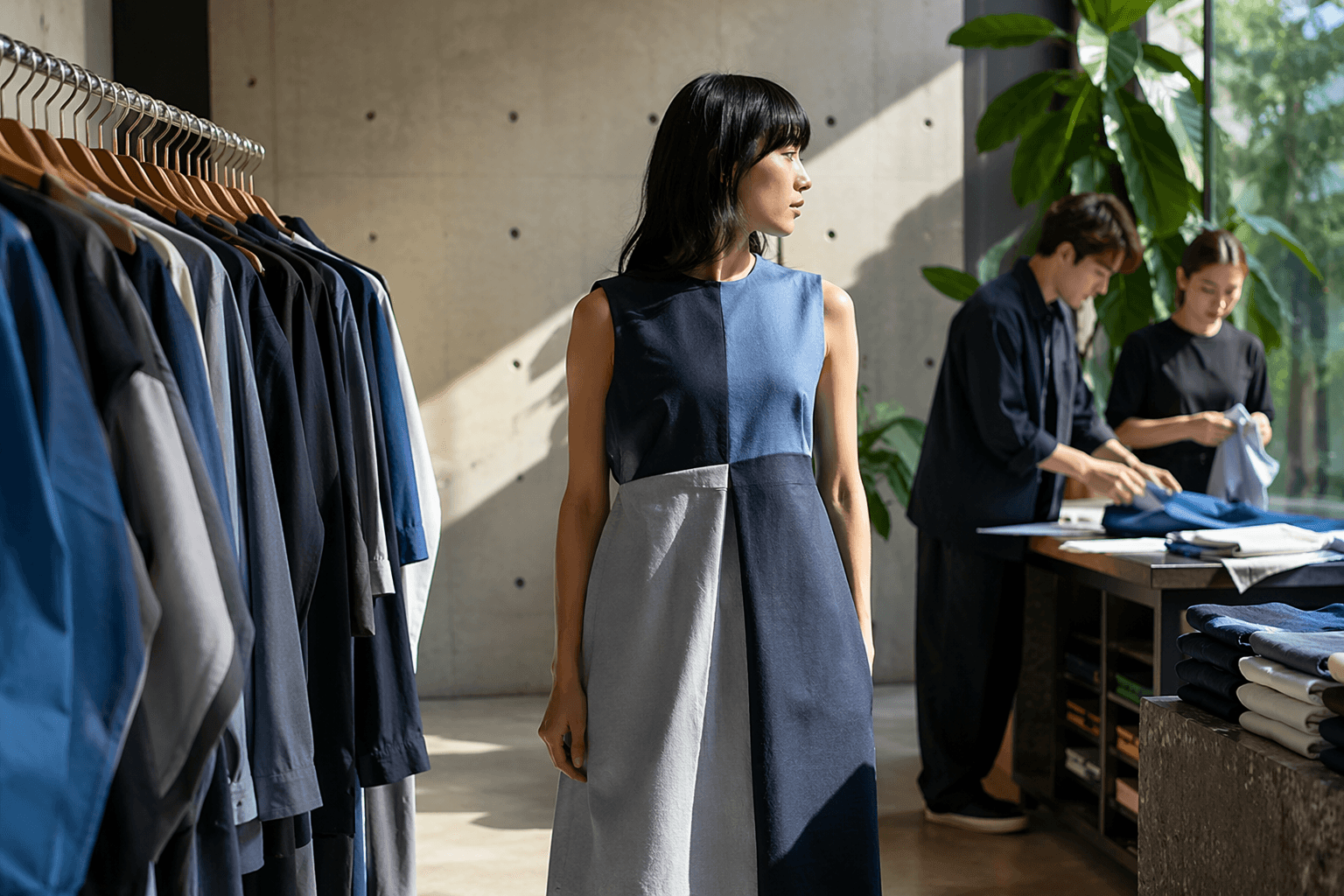
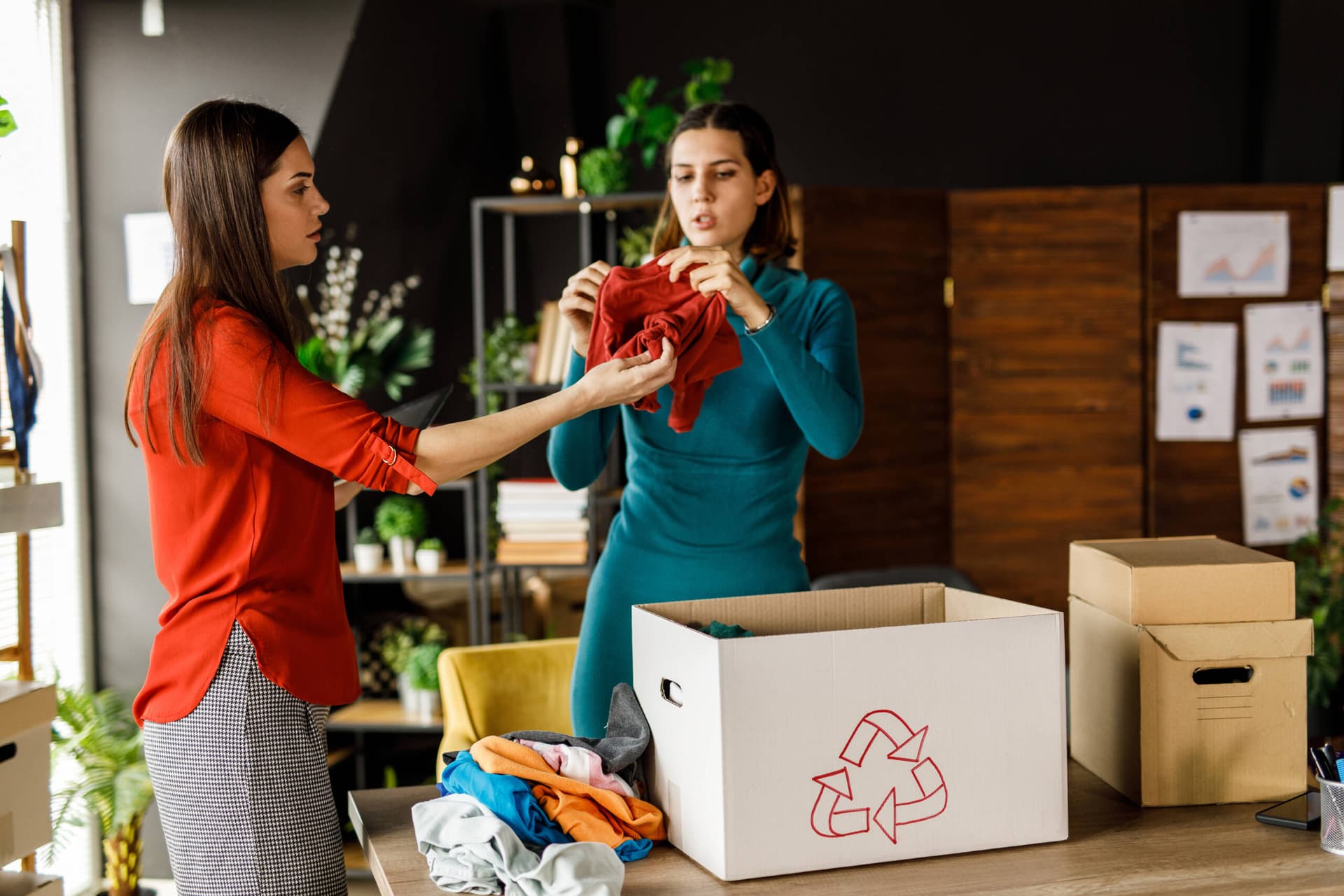
Uniqlo unveiled Everyday Re.Imagined in London, a 10-piece upcycled capsule built from returned garments that may have been damaged or imperfect. Two Central Saint Martins BA Fashion graduates supplied the template designs, and Re.Uniqlo Studios seamstresses turned the cast-offs into sharper silhouettes, including geometric dresses and wrap trousers, with the original garment’s character still visible in the reconstruction. It felt less like a campus exercise than a practical answer to the question fashion keeps kicking down the road: what happens when returns come back in volume?
The collection goes on sale on 25 June 2026 and will be sold exclusively in store across 15 Re.Uniqlo Studios in the UK and Europe. That detail matters more than the upcycling language around it, because Uniqlo is not trying to warehouse this as a one-off museum object. The capsule is being routed through a retail network already built for repair, remake and personalisation, which makes the project look closer to a working circular system than a runway flourish.
RE.UNIQLO has been building toward that structure for years. Fast Retailing says the idea began with a clothing upcycling workshop in Berlin in August 2021, followed by the first repair space in New York in January 2022. By October 2023, the company said RE.UNIQLO STUDIO had reached 35 stores in 16 markets, and Uniqlo’s European site now points to studios in London and Manchester, with more than 60 worldwide. The scale is what makes this experiment worth watching: Fast Retailing reported FY2024 UNIQLO sales of ¥2.6440 trillion, and the brand operated 2,495 stores worldwide, so even a small capsule can be read as a systems test, not a side project.
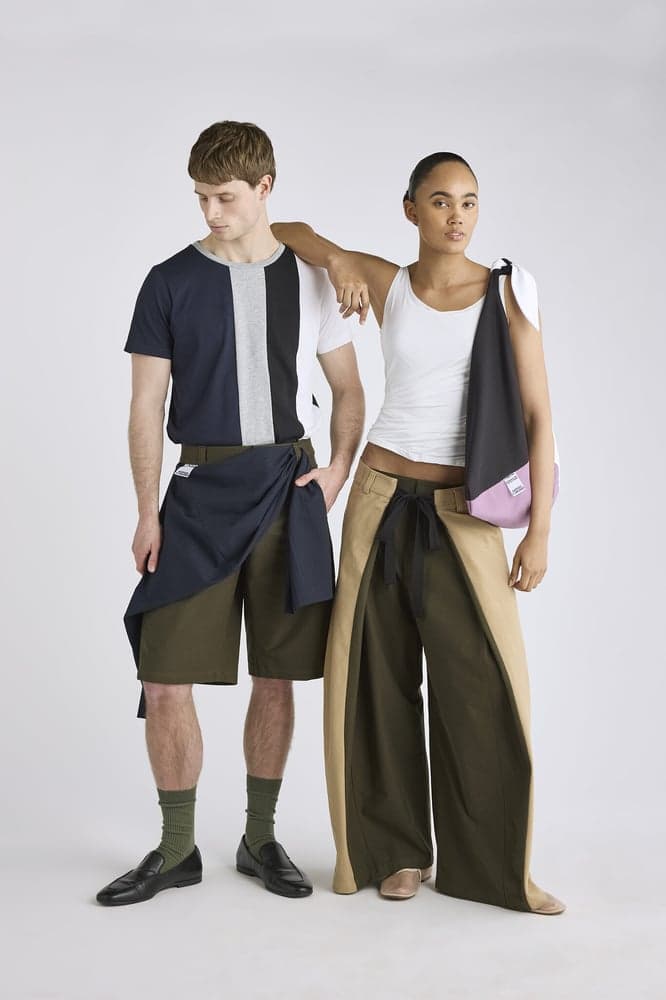
Central Saint Martins gives the collaboration its fashion pedigree. The school has produced Lee Alexander McQueen, John Galliano, Kim Jones and Stella McCartney, and its 2026 BA Fashion show moved to Peckham Levels in south London, where 40 graduating designers showed collections for a larger audience than the school’s usual home. Against that backdrop, Everyday Re.Imagined uses student imagination in the service of a far less romantic but more valuable task: proving that returned stock can be sorted, remade and sold through a repeatable retail loop instead of being treated as dead inventory.
This article was produced by Prism’s automated news system from verified source data, official records, and press releases, then run through automated quality and moderation checks before publishing. The system is built and supervised by the people who set the standards it runs under. Read our full AI policy.
Know something we missed? Have a correction or additional information?
Submit a Tip