Upcycled fashion signals green value, but extreme novelty can hurt sales
Upcycled clothing read as green in a 520-person NC State study, but designs pushed into extreme novelty lost sales appeal.
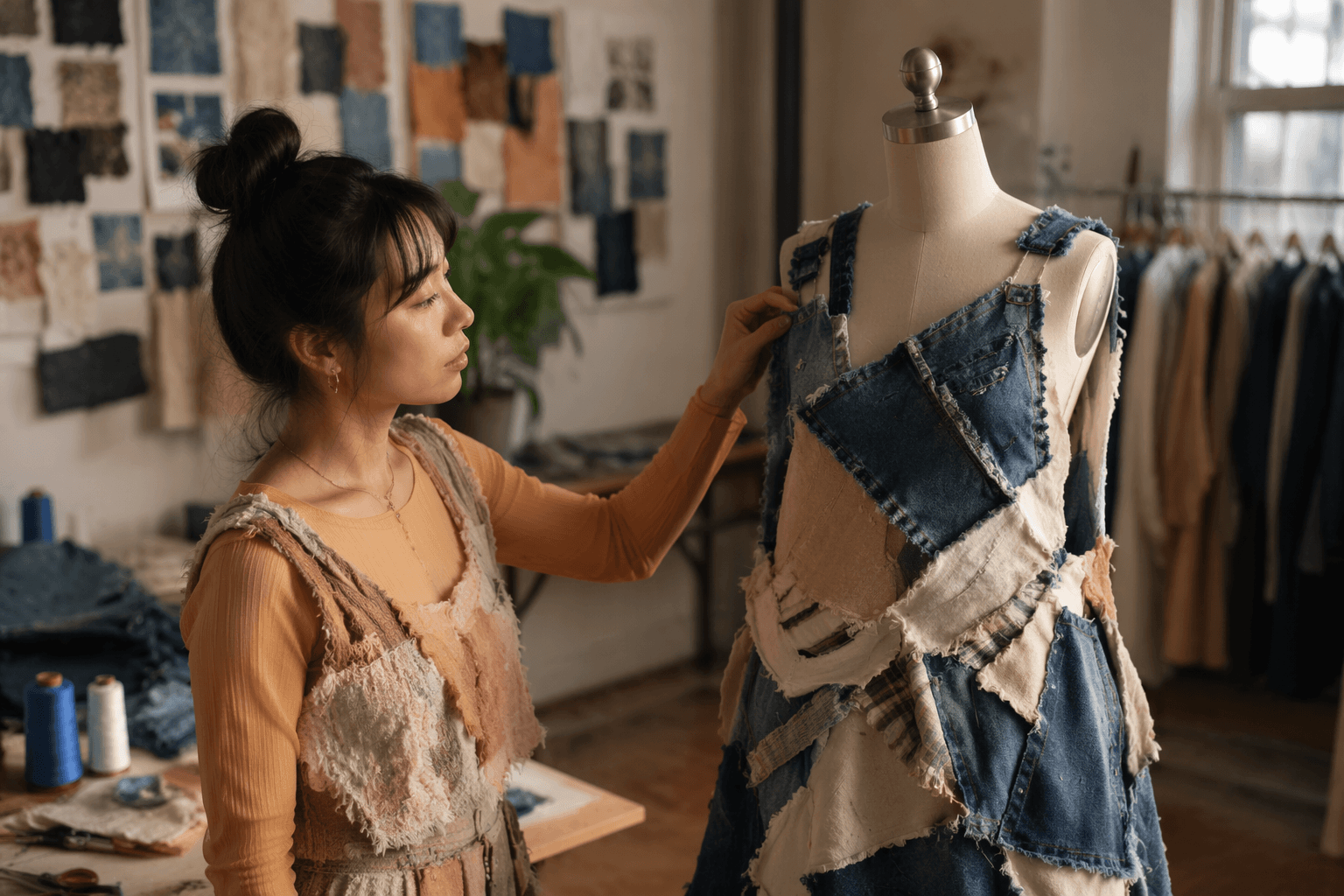
North Carolina State University’s latest dissertation on upcycled clothing draws a sharp line for brands: the upcycled label itself strongly signals environmental value, but once a garment veers into extreme novelty, purchase intent can stall. The study, led by Hyesim Seo under Dr. Byoungho Ellie Jin at the Wilson College of Textiles in Raleigh, tested how design typicality and material domain distance shape shopper response.
Using data from 520 U.S. female consumers ages 18 to 45, the research found that upcycled clothing was perceived as green regardless of design typicality, brand type or how far the materials were removed from their original use. That matters for merchandising teams because it suggests the sustainability story is already embedded in the label itself; the harder task is converting that goodwill into something people actually want to wear.
The pressure point is design. Atypical silhouettes and unexpected material combinations increased perceived uniqueness, and that uniqueness lifted purchase intention. The effect was stronger when the garments sat in a luxury context, where shoppers appeared more open to visible transformation and fashion-forward experimentation. But pushing material distance too far did not strengthen the effect, which is the study’s most useful warning for brands chasing attention through shock value alone.
In practice, that is the line between distinctive and unwearable. NC State’s own textiles research notes that upcycling is increasingly being folded into brand identity and sustainability initiatives, with techniques such as patching, cutting, adding and material mixing used to remake garments and accessories. Freitag, the bag and accessories brand built around upcycled truck tarps, remains a clean example of how a recycled-material proposition can become a recognizable design language instead of a gimmick.
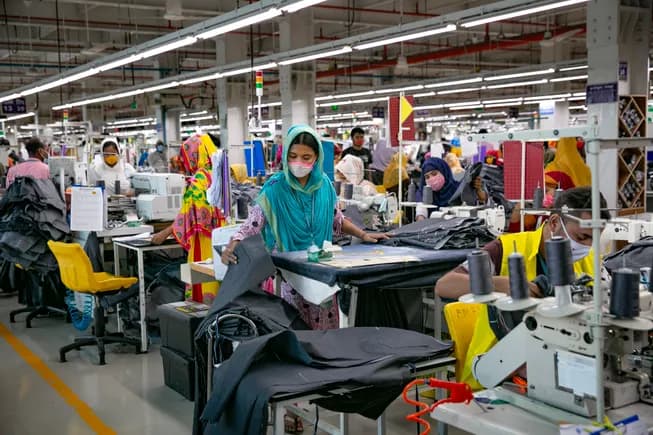
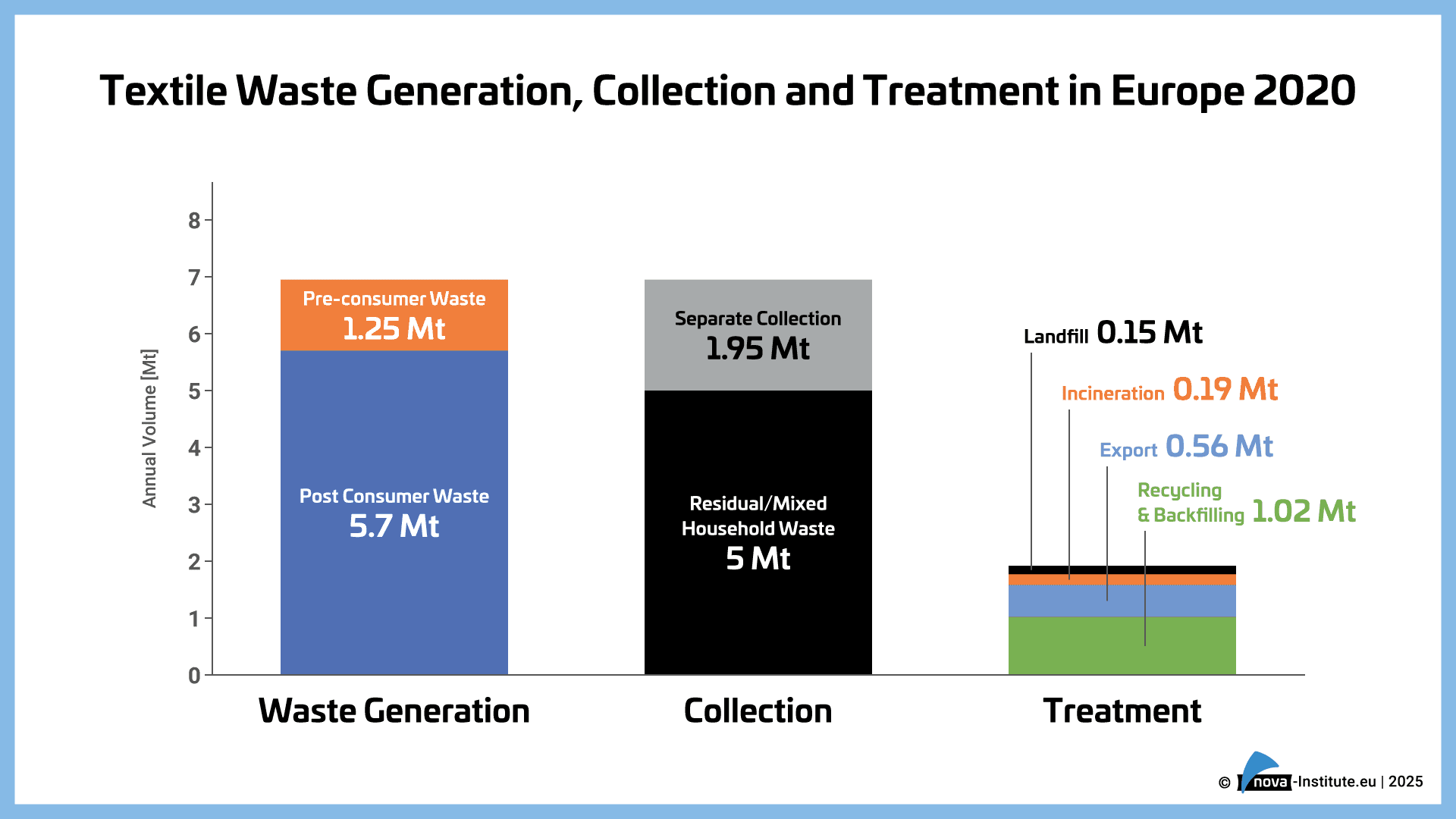
The backdrop is hard to ignore. NC State says nearly 75% of clothing produced each year ends up in landfills or is burned, amounting to nearly 20 billion pounds of clothing waste annually in the United States. That scale is why upcycling has moved from niche craft to serious product strategy, especially at the Wilson College of Textiles, which calls itself the only college in North America dedicated to textiles. The new takeaway for brands is clear: make the transformation visible, but keep enough restraint for the piece to live beyond the sustainability story.
This article was produced by Prism’s automated news system from verified source data, official records, and press releases, then run through automated quality and moderation checks before publishing. The system is built and supervised by the people who set the standards it runs under. Read our full AI policy.
Did this article answer your question?