Uster adds recycling index to AFIS 6 for recycled cotton blends
Uster’s new Recycling Opening Index turns recycled cotton blends into something mills can measure, not guess at, right down to short fibers under 6.35 mm.
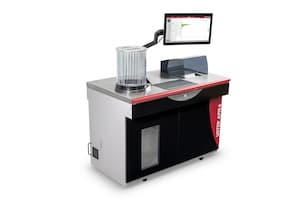
Recycled cotton looks clean on a hangtag, but in the mill it is a stubbornly physical problem: fuzz, broken bits, trash, and blend inconsistency that can wreck a run before a brand ever sees the finished yarn. Uster put that mess into a number with the Recycling Opening Index, which it added inside the R Recycling Module of AFIS 6 and launched at ITM 2026 in Istanbul, Türkiye.
That is the real point of this move. AFIS 6 now gives spinners optional measurement of recycled cotton for ROI, remaining yarn pieces per gram, and short fiber content below 6.35 mm, while the system continues to track the usual control points that matter in spinning preparation, including length, maturity, fineness, neps, seed coat neps, trash, and dust. The machine also stores the measurements and compares them with Uster Statistics for virgin cotton and virgin cotton and synthetic blends, which is exactly the kind of benchmarking recycled material has been missing.
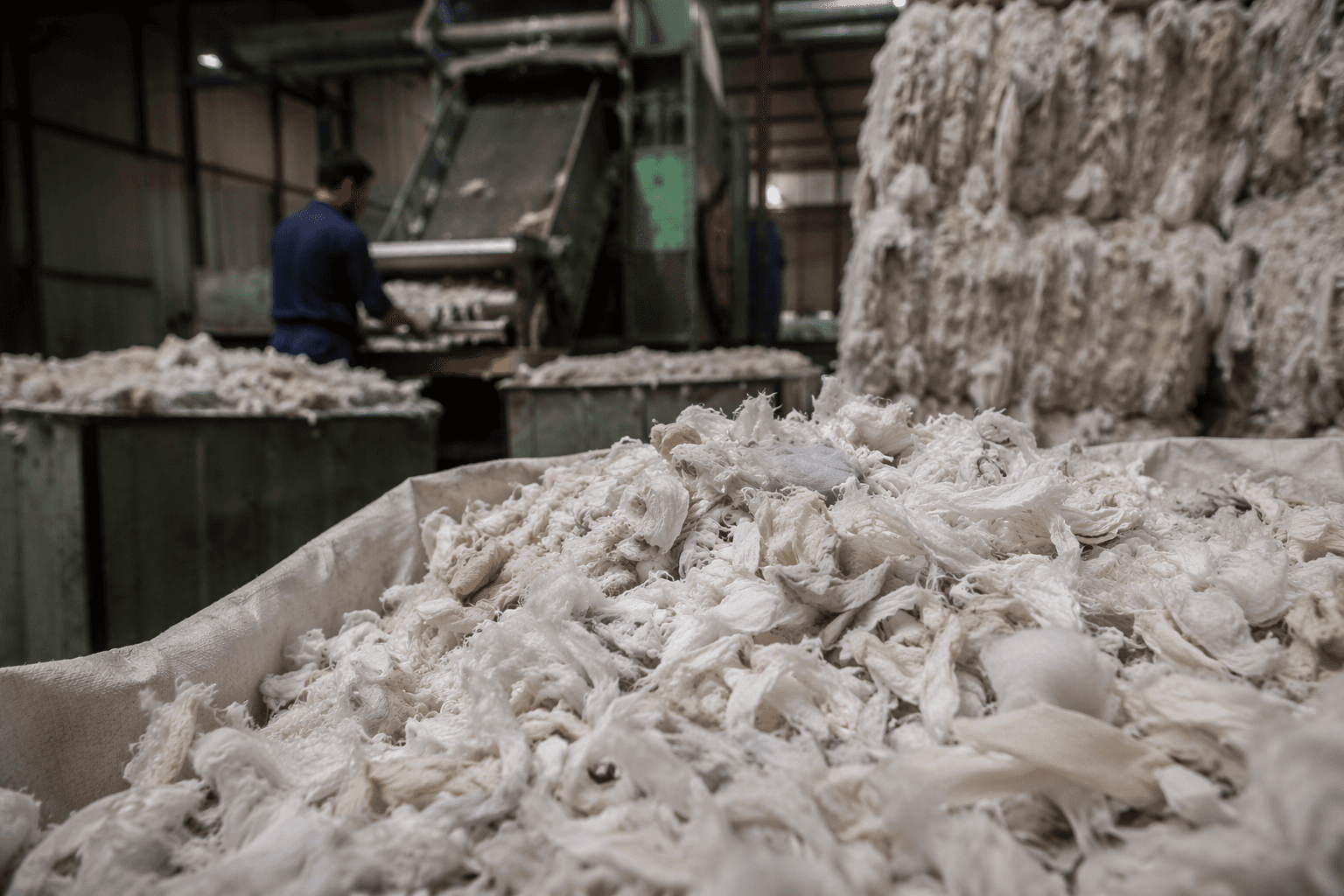
The commercial pressure is obvious. Uster says cotton recycling has become strategically important because of textile waste, resource scarcity, climate impact, and regulatory pressure. That sounds broad until you get back to the money: in Uster’s earlier AFIS Pro 2 materials, raw material costs made up more than half of total yarn-making cost. If the feedstock is expensive and inconsistent, every extra rejection, every weak lot, and every yield loss lands straight on the balance sheet.
This is why the new index matters more than the sustainability slogan attached to it. Uster’s earlier AFIS Pro 2 application report already treated mechanically recycled cotton as a relatively new textile application in fashion, which tells you how much of this category still lives in trial-and-error mode. A recycled-content promise only scales when the mill can repeatedly open, blend, and spin the fiber without guessing where the quality will fall apart. AFIS 6 is built to reduce that guesswork, and the economics of recycled yarn depend on it.
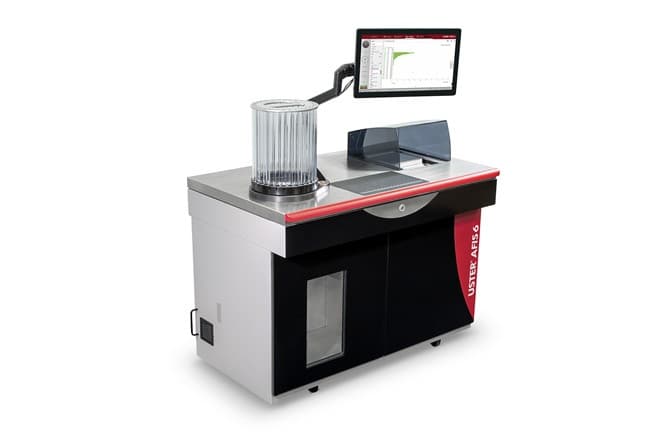
Uster is also building the surrounding playbook. Its Uster Statistics platform is offering a free webinar on quality of recycled yarns, using benchmarking tools aimed specifically at yarns made from recycled fibers. That is the quieter story behind the launch in Istanbul: not just a new index, but a push to normalize recycled cotton as a measurable industrial input. In a sector full of lofty circularity talk, that kind of process control is what separates a nice claim from something brands can actually buy, repeat, and trust.
This article was produced by Prism’s automated news system from verified source data, official records, and press releases, then run through automated quality and moderation checks before publishing. The system is built and supervised by the people who set the standards it runs under. Read our full AI policy.
Know something we missed? Have a correction or additional information?
Submit a Tip