Vietnam taps H&M and Syre to shape textile recycling rules
Vietnam brought H&M and Syre into textile rulemaking as a US$1 billion recycling plant takes shape in Binh Dinh, tying policy to real industrial capacity.
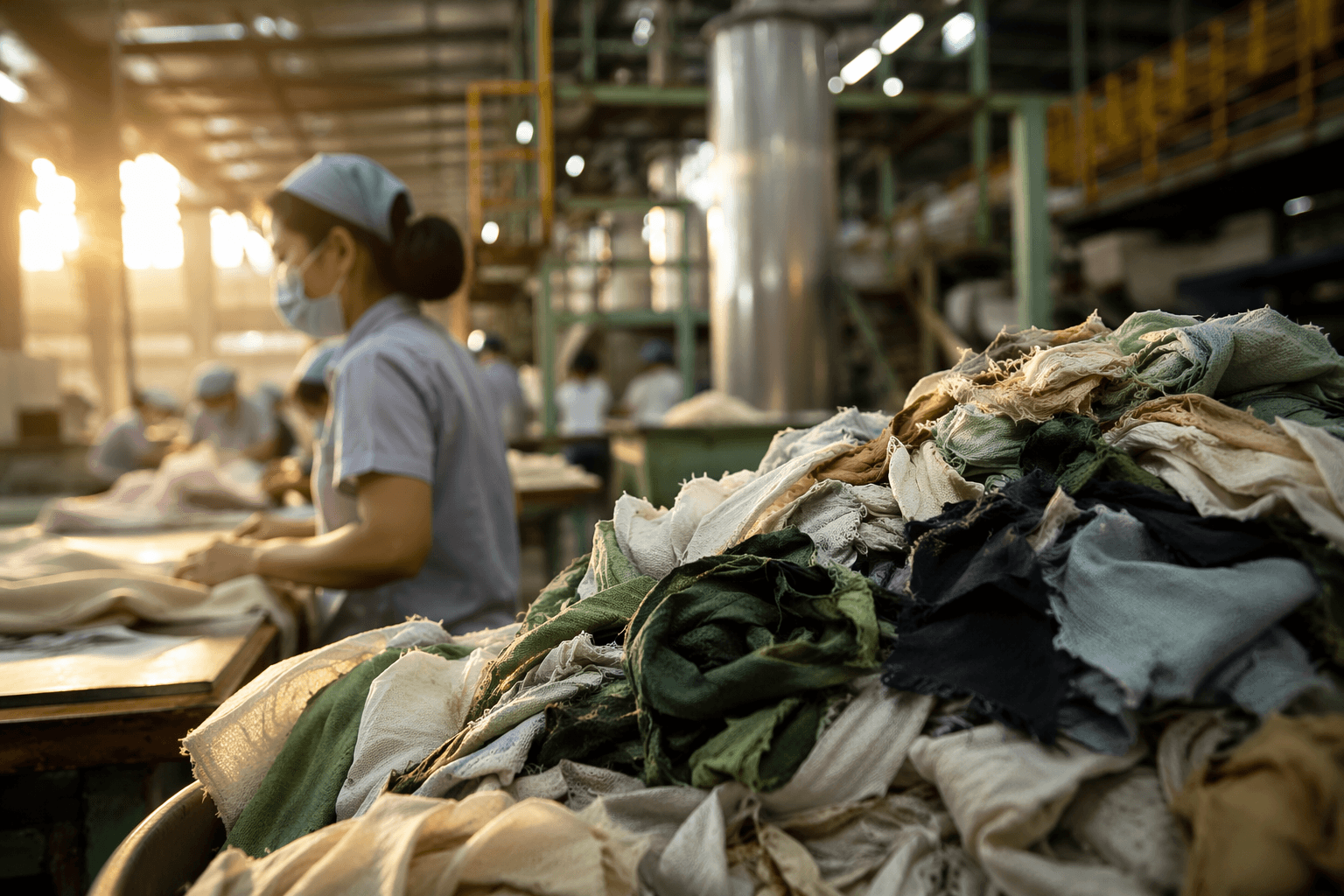
Vietnam has invited H&M Group and Syre to help shape new rules for a more sustainable textile, garment and footwear sector, a clear sign that the country wants the people who buy, make and recycle clothes sitting at the same table as the people who write the rules. Syre, formed by H&M Group and Swedish impact investor Vargas, has already identified Vietnam as the site for its first textile-to-textile recycling plant, putting circularity at the center of a policy discussion that is becoming as practical as it is ambitious.
The project already has a footprint on the ground. In June 2025, Binh Dinh provincial authorities granted Syre an investment registration certificate for a polyester recycling and production complex in Nhon Hoi Industrial Park, Zone A. The complex is valued at around US$1 billion, spans nearly 29 hectares and is slated to become operational by 2029, with industry coverage placing its design capacity at up to 250,000 tonnes a year. Syre has also discussed the plan in Hanoi with Prime Minister Pham Minh Chinh, saying it wants to support Vietnam’s green transition and help build a global circular textile hub.
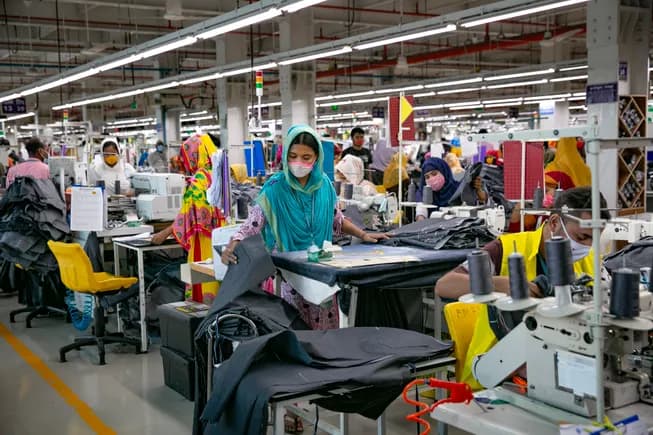
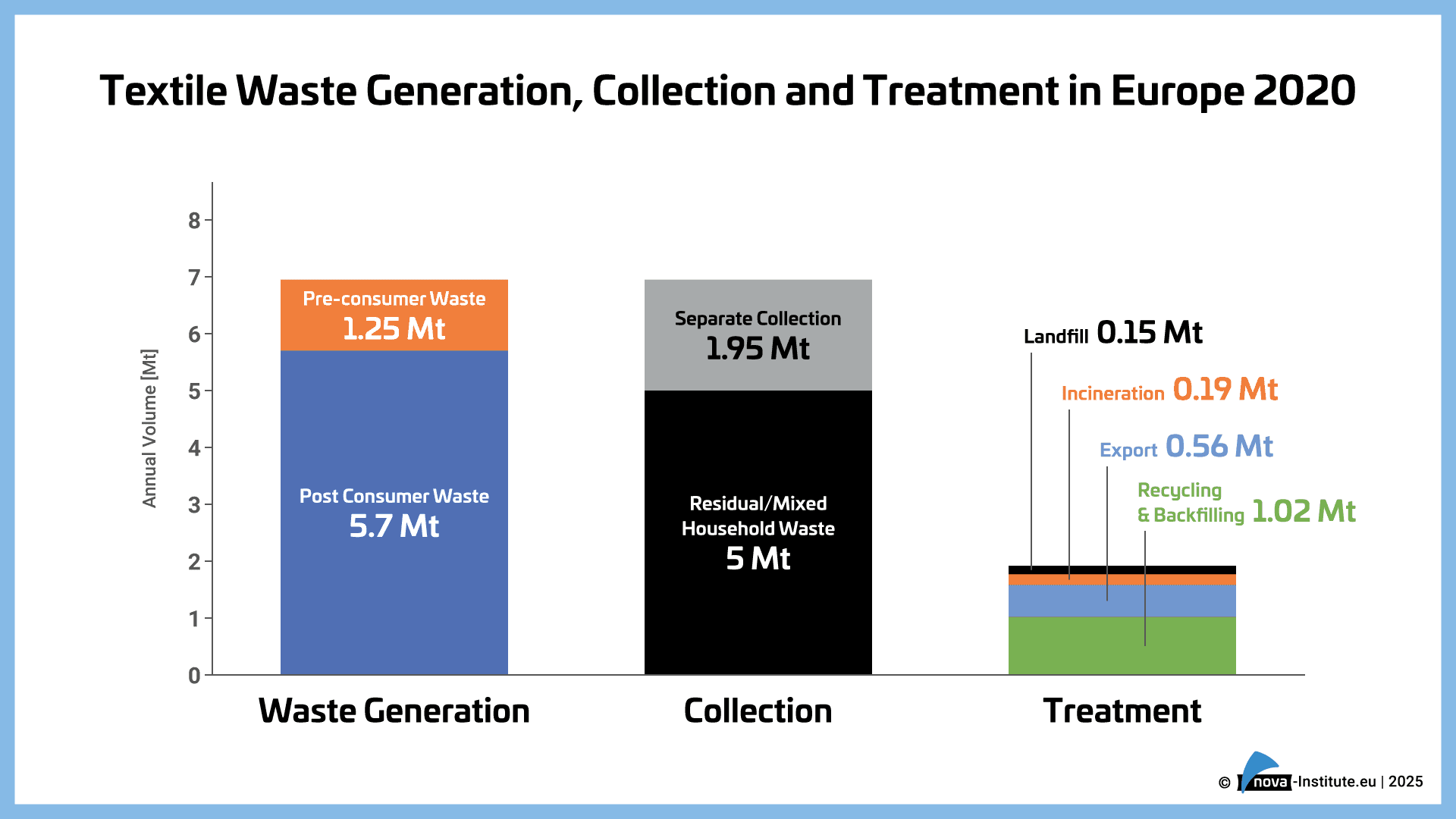
That scale matters because Vietnam is already one of the industry’s heavyweights. The country remains the world’s third-largest textile and apparel exporter, with 2025 export revenue forecast at about US$46 billion. As factories face rising sustainability and due-diligence pressure from buyers and regulators in the U.S., the EU and CPTPP markets, the policy conversation is shifting from broad promises to the mechanics of implementation: how to collect waste, how to sort it, how to process it and how to keep recycled fiber moving back into production.
The government has begun laying that groundwork. Vietnam approved a National Action Plan for the circular economy on Jan. 23, 2025, and the Ministry of Industry and Trade worked in 2024 with IDH, the Vietnam Textile and Apparel Association, the Vietnam Leather, Footwear and Handbag Association and the Vietnam Cotton and Spinning Association on sustainable-development initiatives for textiles and footwear, including circular economy and energy-efficiency measures. In other words, the rulebook is no longer being drafted in the abstract. It is being written with factories, associations and recyclers in mind.
That approach fits a broader pattern already visible across the region. On March 18, 2024, H&M Foundation and Global Fashion Agenda announced a three-year circularity partnership, including a €5 million donation to support work in Cambodia and Vietnam, while Global Fashion Agenda’s Circular Fashion Partnership is already active in Bangladesh, Cambodia and Indonesia. If Vietnam succeeds, the beneficiaries will not only be the brands that can tout recycled fiber, but also the mills, recyclers and exporters that can turn post-industrial waste into a feedstock for the next generation of manufacturing.
This article was produced by Prism’s automated news system from verified source data, official records, and press releases, then run through automated quality and moderation checks before publishing. The system is built and supervised by the people who set the standards it runs under. Read our full AI policy.
Did this article answer your question?