Vietnam urges textile sector to go green and digital to stay competitive
Vietnam is tying export competitiveness to traceability, automation and greener factories, with policy support for land and financing if suppliers can keep up.
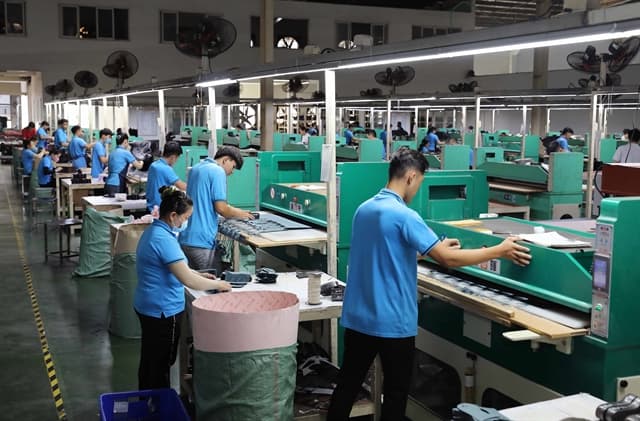
Vietnam’s textile machine is being told to change the way it hums. At a May 29 meeting in Hà Ni, Deputy Prime Minister Phm Gia Túc pressed the textile, garment and footwear industries to move faster on science and technology, digital transformation and e-commerce, making the case that green compliance and digital systems are no longer side bets but the price of staying in export lanes.
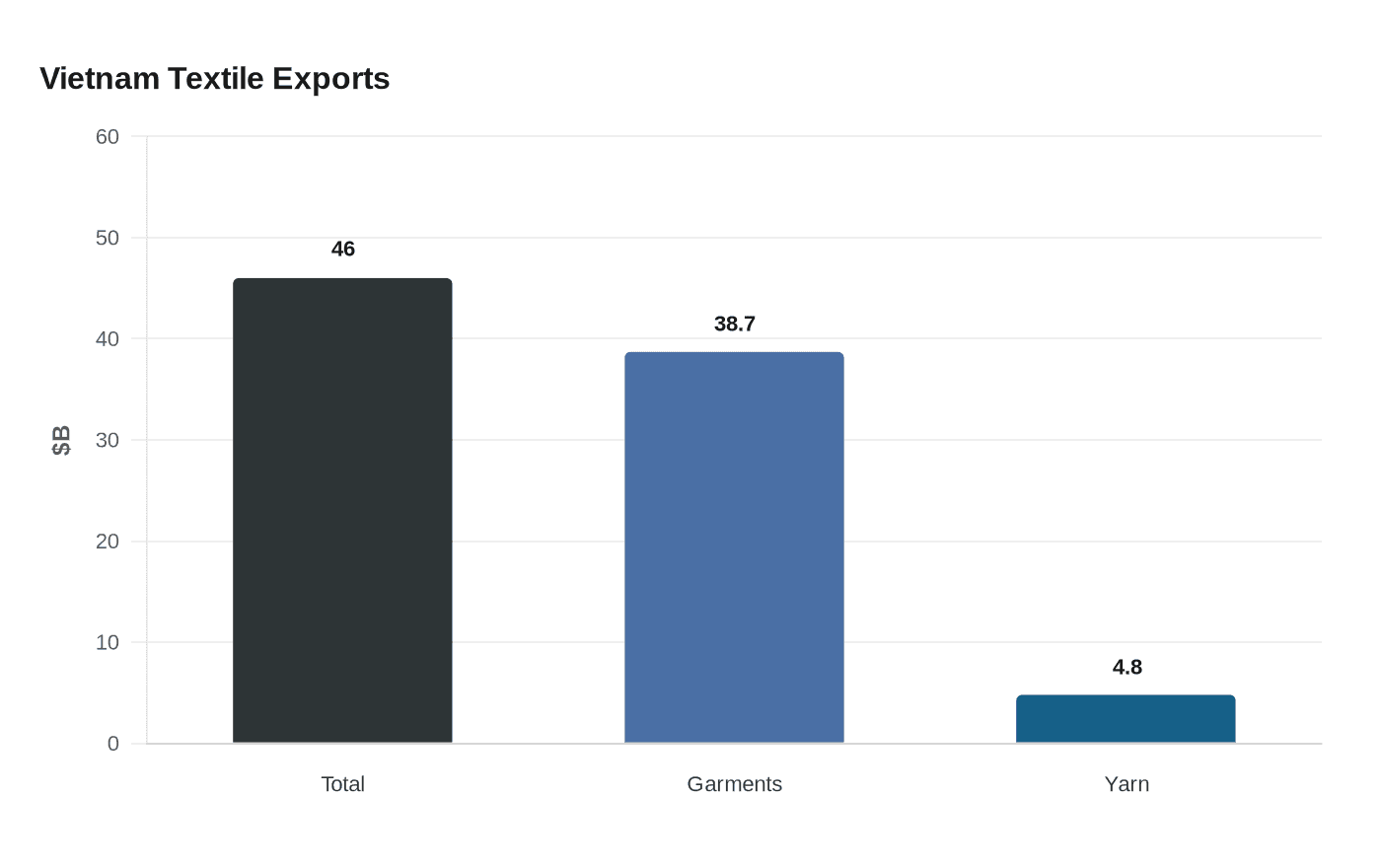
The stakes are large enough to justify the urgency. Vietnam’s textile and garment sector accounts for around 10 per cent of export turnover and about 5 per cent of imports, while the broader textile, footwear and handbag workforce spans roughly 3.3 million people. Vũ Đc Giang, president of the Vietnam Textile and Apparel Association, said textile and garment exports surpassed US$46 billion in 2025 and reached 138 markets, with garments bringing in $38.7 billion and yarn exports topping $4.8 billion. That scale is exactly why the shift matters: if Vietnam cannot prove cleaner production and faster traceability, the next sourcing cycle could move elsewhere.
Phm Gia Túc said the state would back the transition with policy support, including land access and financing for technology development, in line with Resolution 57 on breakthroughs in science, technology, innovation and national digital transformation. He also pushed circular models that recycle textile by-products and discarded clothing into new products, a reminder that Vietnam’s green agenda is being framed as industrial policy, not branding.

Inside factories, the change is less poetic and more mechanical. Chu Vit Cưng of the Industrial Development Centre said automation is becoming inevitable, with sewing robots, automated cutting systems, AI-powered line balancing and smart production lines all moving from aspiration to necessity. He also pointed to AI-enabled tools such as 3D design, product lifecycle management, traceability and data-driven production optimisation as essential for meeting green, circular and low-emission standards. In other words, the next competitive edge may be hidden in software dashboards as much as in stitch quality.
Trương Văn Cm, vice chairman and secretary-general of VITAS, has described the moment as a dual transformation, digitalisation and greening at once. That is where the pressure on smaller suppliers sharpens. Large exporters and foreign-backed factories are better positioned to absorb new machines, traceability systems and compliance costs, while leaner workshops risk being squeezed if they cannot finance upgrades quickly enough.
The policy architecture around the shift is already taking shape. On January 27, the United Nations Development Programme and Vietnamese agencies launched SHIFT, a sustainable-finance initiative led by the Ministry of Finance and coordinated with the State Bank of Viet Nam and private-sector partners. In December 2024, the Ministry of Industry and Trade and IDH, together with VITAS, VCOSA and LEFASO, set a 2025 to 2027 cooperation framework focused on innovation, circular supply chains and greenhouse-gas reduction. A November 2025 workshop in Hà Ni, with IDC, VITAS and KITECH, added another layer of pressure: the race is on to modernise before buyers decide who still deserves the order book.
This article was produced by Prism’s automated news system from verified source data, official records, and press releases, then run through automated quality and moderation checks before publishing. The system is built and supervised by the people who set the standards it runs under. Read our full AI policy.
Did this article answer your question?


