What sustainable fashion means, and why circularity matters
Sustainable fashion is less about a green label than a system check: materials matter, but circularity is what separates real progress from marketing.

A recycled knit or an organic tag can be a start, but they are not the whole story. Sustainable fashion is really a question of how a garment is made, how long it lasts, and whether it has a next life after you are done with it. That is why circularity matters so much: it turns clothing from a one-way purchase into something designed to be worn, repaired, resold, and recirculated.
What sustainable fashion actually means
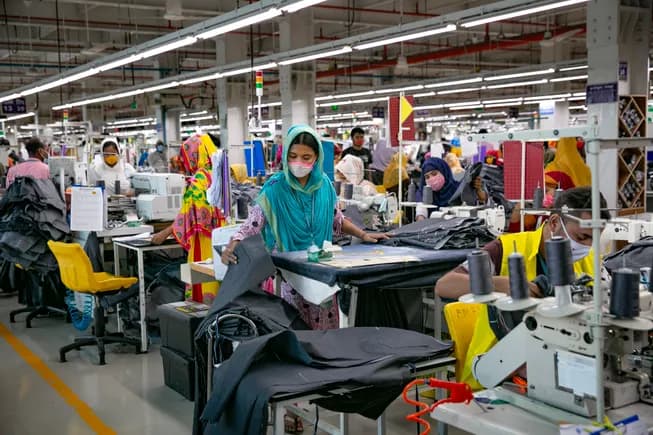
At its most useful, sustainable fashion is not a mood or a marketing tone. It is a practical framework built around lower-impact materials, smarter production choices, and circular systems that keep clothes in use longer. In other words, the fabric matters, but so do the cut, the factory, the aftercare, and the resale path.
That wider view is important because fashion’s footprint is not small. UNEP says the textile industry accounts for 2 to 8 per cent of global greenhouse-gas emissions and uses the equivalent of 86 million Olympic-sized swimming pools of water every year. The World Bank has also cited annual water use of about 93 billion cubic meters, a reminder that the industry’s impact is measured in infrastructure-scale numbers, not boutique-level gestures.
Why circularity is the real test
Circularity is the part of the conversation that most cleanly separates substance from spin. The Ellen MacArthur Foundation says today’s fashion industry is still largely linear, meaning clothes are made, sold, worn less often than they should be, and then discarded. In a circular model, the goal is very different: maintain, reuse, refurbish, remanufacture, and recycle so garments stay in circulation instead of becoming waste.
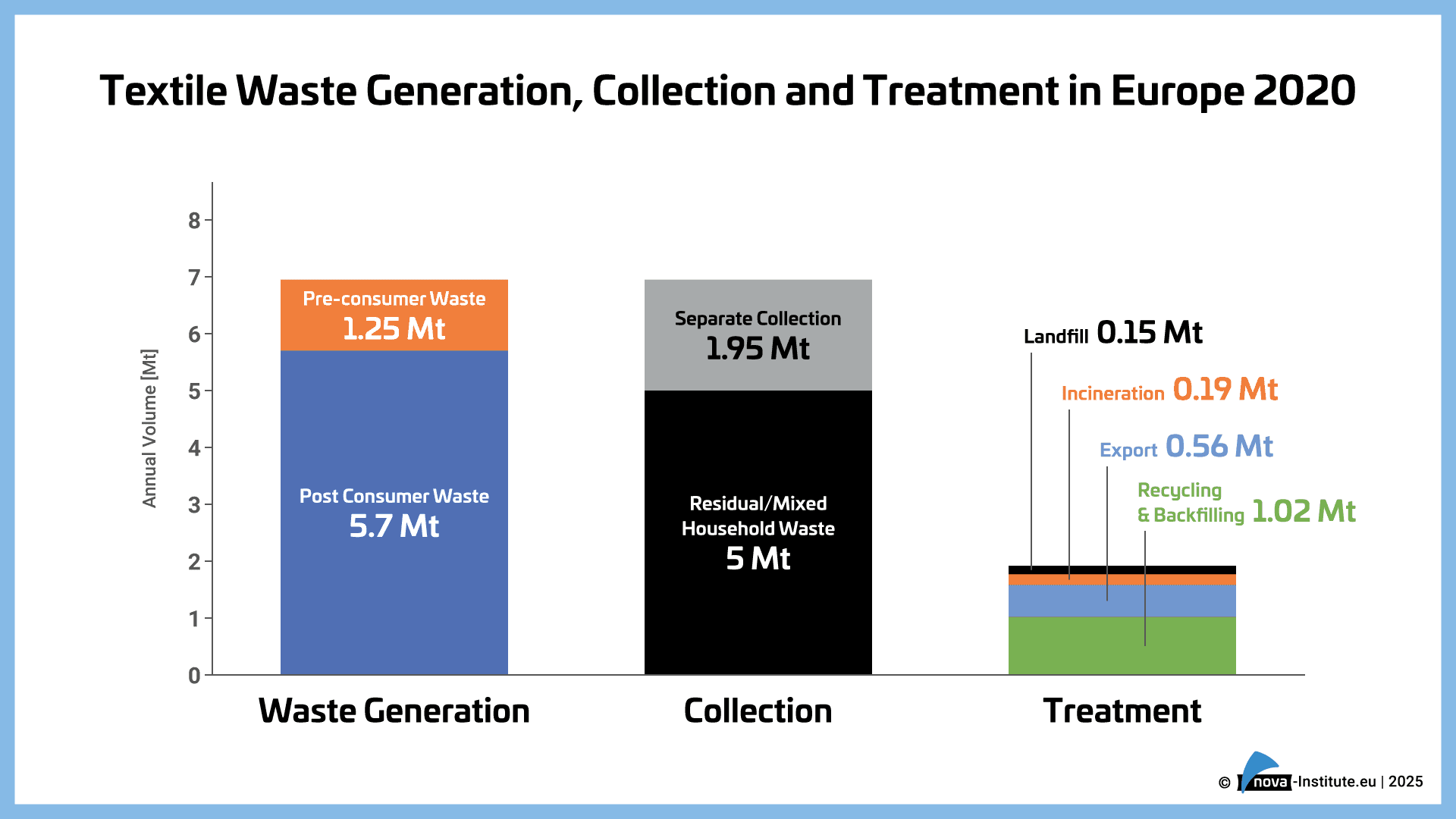
The scale of the waste problem is brutal. The UN warned in March 2025 that the equivalent of one garbage truck’s worth of clothing is incinerated or sent to landfill every second. The Ellen MacArthur Foundation uses a similarly stark measure, saying a rubbish truckload of clothes is burnt or buried every second. That is the real backdrop for every sustainability claim in fashion: if a brand cannot show how it reduces overproduction or keeps product in use, the claim is thin.
The environmental cost behind the closet
The fashion and textile sector sits at the frontline of what UNEP calls the triple planetary crisis of climate change, nature and biodiversity loss, and pollution and waste. That framing matters because clothing is not only about carbon. It also touches water systems, chemical use, land use, and the steady churn of discarded product that overwhelms waste streams.
Fast fashion sharpened the problem by accelerating both production and consumption. The U.S. Government Accountability Office says textile waste has been increasing over the past 20 years in the United States, with fast fashion contributing to the rise. Once clothes are designed to be cheap, frequent, and disposable, overproduction becomes the business model, not the accident.
How the industry is trying to change
The good news is that circularity has moved from theory to operational language. UNEP and United Nations Climate Change launched the Sustainable Fashion Communication Playbook in 2023 to align consumer-facing messaging with sustainability targets. That matters because the fashion industry has spent years drowning shoppers in vague language, and clearer communication is now part of the fix.
In 2024, UNEP said policymakers, industry representatives, civil society, youth, and academics gathered in Brussels to discuss systemic transformation of the textile sector. The point of a meeting like that is not just symbolism. It is coordination, because the sector’s problems are too large for brands alone to solve and too embedded in policy, manufacturing, and waste infrastructure to leave to consumers.
There is also evidence that some companies are trying to make circular business models more mainstream. The Ellen MacArthur Foundation said the 2024 Fashion ReModel initiative launched with eight leading brands committed to increasing revenue from circular business models. That is the kind of scale question readers should care about: not whether a single product is recycled, but whether resale, repair, and reuse are becoming part of how a brand actually makes money.
How to judge a brand claim without falling for green gloss
The quickest way to assess a sustainability claim is to stop looking only at adjectives. Ask what the garment is made from, how it was produced, and what happens next. A brand that talks about a lower-impact fiber but says nothing about overproduction, repair, or resale is offering a partial story.
Here is the sharper checklist:
- Material choice: recycled, biodegradable, or lower-impact fibers can help, but material alone does not make a garment sustainable.
- Production model: small-batch, made-to-order, or better-managed inventory can reduce waste more meaningfully than a one-line fabric claim.
- Repair and resale pathways: if a brand offers repair, take-back, refurbishment, or resale, it is thinking beyond the first sale.
- Circular infrastructure: remanufacture and recycling programs matter most when they are built into the business, not added as a marketing footnote.
- Overproduction risk: if a brand is still flooding the market with constant drops, the sustainability language deserves skepticism.
This is where the real fashion intelligence lives. A beautifully constructed piece in a durable fabric is only part of the picture. The stronger signal is a brand that designs for repeated wear, supports repair, and proves it has a route for garments after the closet.
What this means for the way you shop
For consumers, sustainable fashion is not a reason to chase perfection. It is a reason to shop with a clearer eye. A well-cut coat in a sturdy fabric, a knit that can be mended, or a trouser that can be resold carries more weight than a vague promise of being “better for the planet.” The silhouette may look effortless, but the best pieces are backed by systems that make them last.
That is why circularity matters more than ever. It answers the industry’s most important question: not just how to make clothing, but how to keep it in play long enough to justify the resources it took to create it. In a sector still measured by emissions, water use, chemicals, and waste, the brands worth watching are the ones building a future where clothes are not designed to disappear after one season.
This article was produced by Prism’s automated news system from verified source data, official records, and press releases, then run through automated quality and moderation checks before publishing. The system is built and supervised by the people who set the standards it runs under. Read our full AI policy.
Did this article answer your question?