Why a better white shirt belongs in every capsule wardrobe
A white shirt only earns capsule-wardrobe status if it survives wash after wash. The real test is in the fabric, seams, collar, and repair potential.

A good white shirt should do more than sit there looking crisp for one afternoon. It should take a beating, come back clean, hold its shape, and still feel worth reaching for after the twentieth wash. That means judging it like a durability test, not a mood board: look hard at fabric weight, opacity, seam quality, collar construction, and whether the shirt can be repaired instead of replaced.
What a better white shirt looks like up close
The white shirt has a long way to fall if it is flimsy. Hold it to the light and the first question is opacity, because a shirt that goes sheer after one wear is already failing the capsule test. Then check the fabric weight in your hands: too thin and it clings, twists, and wears out fast; substantial enough fabric gives the shirt structure, makes it drape cleaner, and helps it survive repeated laundering without turning limp.
The seams tell you as much as the cloth. Tight, even stitching, neatly finished hems, and stress points that look reinforced are the quiet signs of a shirt built to last. The collar matters too, because that is where white shirts often collapse first. A collar that sits cleanly, keeps its shape, and does not cave after a few spins through the wash is the difference between a shirt that reads polished and one that looks tired by lunch.
Repairability is the final filter, and it should be non-negotiable. A shirt worth keeping should be simple enough to mend, with buttons that can be replaced, seams that can be resewn, and fabric that does not disintegrate the second it meets a needle. If a white shirt cannot be easily fixed, it is not really a long-term wardrobe piece at all.
Choose the fabric like you mean to keep it
The material makes the whole argument. Good On You points readers toward organic cotton, organic linen, and TENCEL Lyocell when possible, and that guidance is not just about labels sounding virtuous. Conventional cotton is still one of the thirstiest and most chemical-intensive crops to grow, so a shirt made from it carries a heavier environmental burden before it ever reaches your closet.
Organic linen is one of the strongest options if you want a shirt with a dry, textured hand and real staying power. It has that lived-in, slightly rumpled elegance that looks intentional instead of sloppy, which is exactly what makes it so good in a capsule wardrobe. TENCEL Lyocell brings a different feel, smoother and softer, with less energy and water use than conventional cotton according to Good On You, and that matters when you are trying to buy fewer pieces and make each one count.
Lenzing says its TENCEL Lyocell production recovers more than 99.8% of solvent in a closed-loop process, and that the fibers come from certified or controlled wood sources. That is the kind of detail that separates real material innovation from branding fluff. If the shirt in your hand is built from a fiber system that keeps more of its input in circulation, it is already working harder than a disposable basic ever could.
Why the white shirt belongs in the sustainability conversation
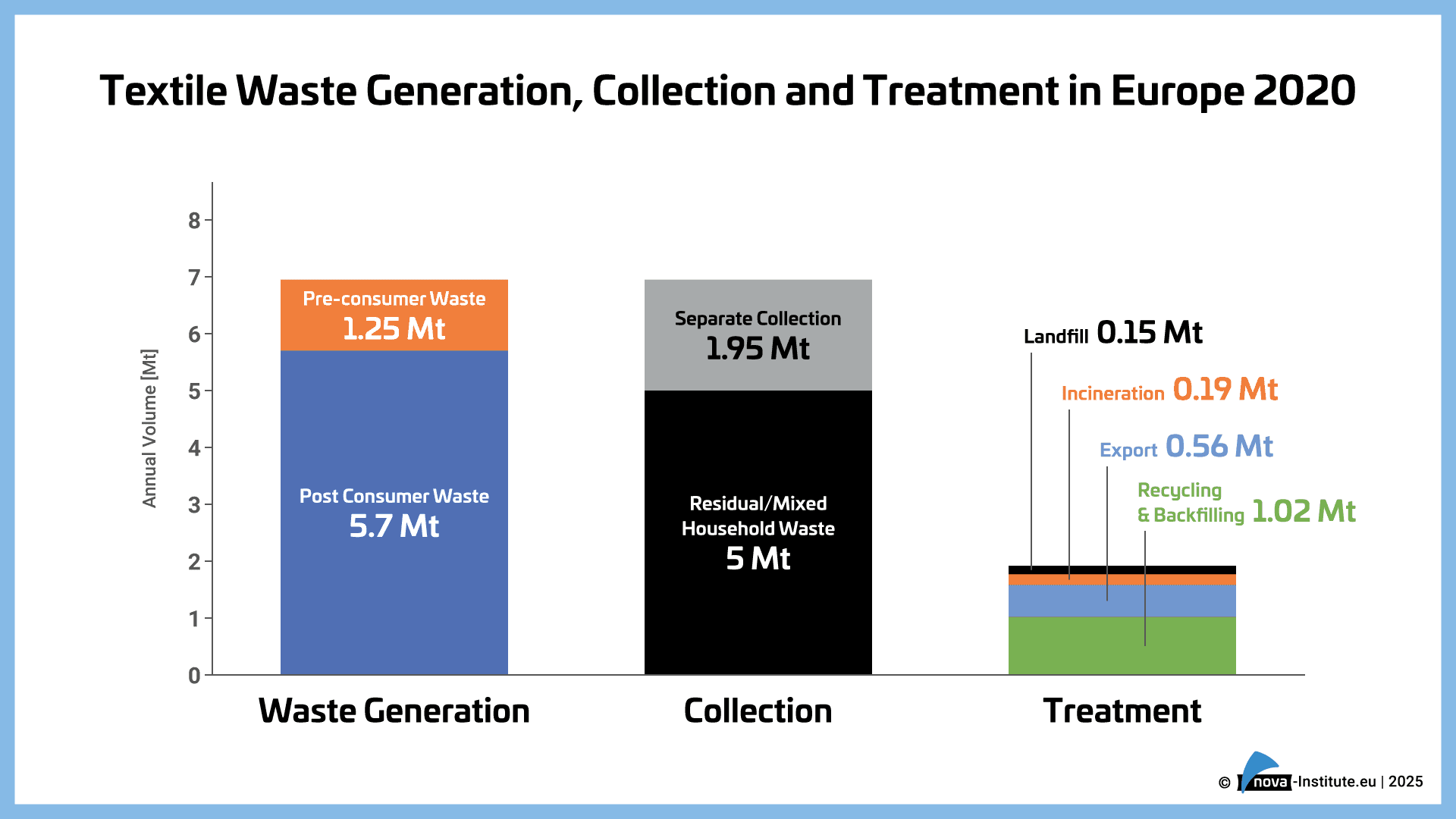
The clean white shirt is not just a style staple, it is a test case for how fashion should work. UNEP says the textile industry accounts for 2% to 8% of global greenhouse gas emissions and uses 86 million Olympic-sized swimming pools’ worth of water each year. Those are not abstract numbers. They are a blunt reminder that the simplest-looking garment can still sit inside a very expensive system of extraction, dyeing, transport, and waste.
That is why durability is not a niche concern. WRAP says extending a garment’s life by nine months can reduce carbon, water, and waste footprints by 20%, which is exactly the kind of gain a white shirt can deliver if it is well made. WRAP’s Clothing Longevity Protocol, introduced in 2014, was built to help brands assess durability, and its work now supports 25 fashion brands as they design clothing to last longer and adapt to circular models.
The bigger industry picture points the same way. The Ellen MacArthur Foundation says every second one truckload of clothing is landfilled or burned, and that a circular fashion system could unlock a USD 560 billion economic opportunity. That is the part brands love to talk about because it sounds futuristic, but the practical version is simpler: make clothes that stay in use, keep their value, and do not become waste the moment they lose novelty.
From ancient linen to modern capsule wardrobes
The white shirt has always had a strange double life. Good On You traces its roots back to an undergarment worn only by men, and the world’s oldest preserved shirt, found in an Egyptian tomb dating to around 3000 BC, was made of linen. So the modern capsule-wardrobe staple is not some fresh invention of minimalist Instagram. It is a very old garment that has kept adapting because it solves a real wardrobe problem: it can be worn alone, layered, dressed up, or stripped back without losing its utility.
That long history matters because it explains why the shirt still feels culturally loaded even when it looks plain. It has moved from linen burial cloth to office uniform to streetwear staple to sustainability litmus test. Few garments carry that much history while still asking the same basic question every morning: how well is this made, and how long will it last?
How to buy fewer, better shirts
A better white shirt earns its place by doing several jobs without breaking down. It should be opaque enough to wear confidently, structured enough to hold a collar, finished well enough to survive wash cycles, and made from a fabric that makes sense if you plan to keep it for years. Good On You’s 17 More Sustainable White Shirts You’ll Keep For Years is telling in itself: the brands in that roundup are rated Good or Great under its methodology, which shows that a more responsible white shirt is not some unicorn, just a more demanding purchase.
The smartest buy is the one that still looks composed when the novelty is gone. In a capsule wardrobe, the white shirt should not be the weak link that pills, yellows, or warps into a sad box after three washes. It should be the anchor piece, the one that can be repaired, reworn, and restyled until the cost per wear feels almost rude. That is what sustainability looks like when it is done with taste.
This article was produced by Prism’s automated news system from verified source data, official records, and press releases, then run through automated quality and moderation checks before publishing. The system is built and supervised by the people who set the standards it runs under. Read our full AI policy.
Did this article answer your question?