World Collective pilots supplier library for digital product passports
World Collective put nine textiles from three suppliers into a DPP-ready library, turning compliance data into a buying filter before EU rules fully land.

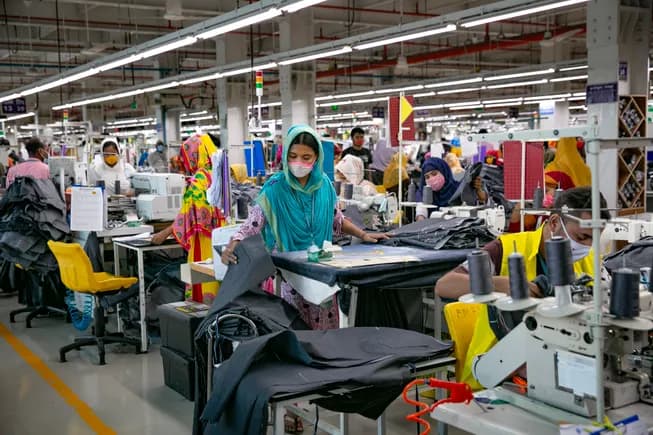
World Collective has pushed digital product passports out of the abstract and into sourcing, piloting an online supplier library with nine textiles from three suppliers already live. Built with Kinset, which is supplying the DPP technology for the pilot, the library is being positioned as the first commercial-style, supplier-level textile database of its kind, and it arrives at a moment when brands are being asked to get their data in order before the regulation fully bites.
That timing is the point. World Collective says fashion brands preparing for the EU Digital Product Passport regulation can now source verified, compliance-ready textiles from a structured data library before the law takes effect. In practical terms, that means procurement teams no longer need to treat material verification as an afterthought. Origin, material nature and environmental impact can be built into the shortlist from the start, which changes how mills, converters and intermediaries get evaluated in cross-border buying decisions.
The shift could be decisive for smaller suppliers. Mills that already have traceability systems, clean documentation and the willingness to feed product-level data into a passport framework may suddenly look far more attractive to brands trying to de-risk compliance. Those that cannot provide structured information may be left outside the room, not because of style or price, but because they cannot satisfy the data burden that DPP readiness creates. World Collective’s broader ecosystem, which claims more than 500 materials in its sourcing library, suggests the company is trying to make that burden feel operational rather than punitive.
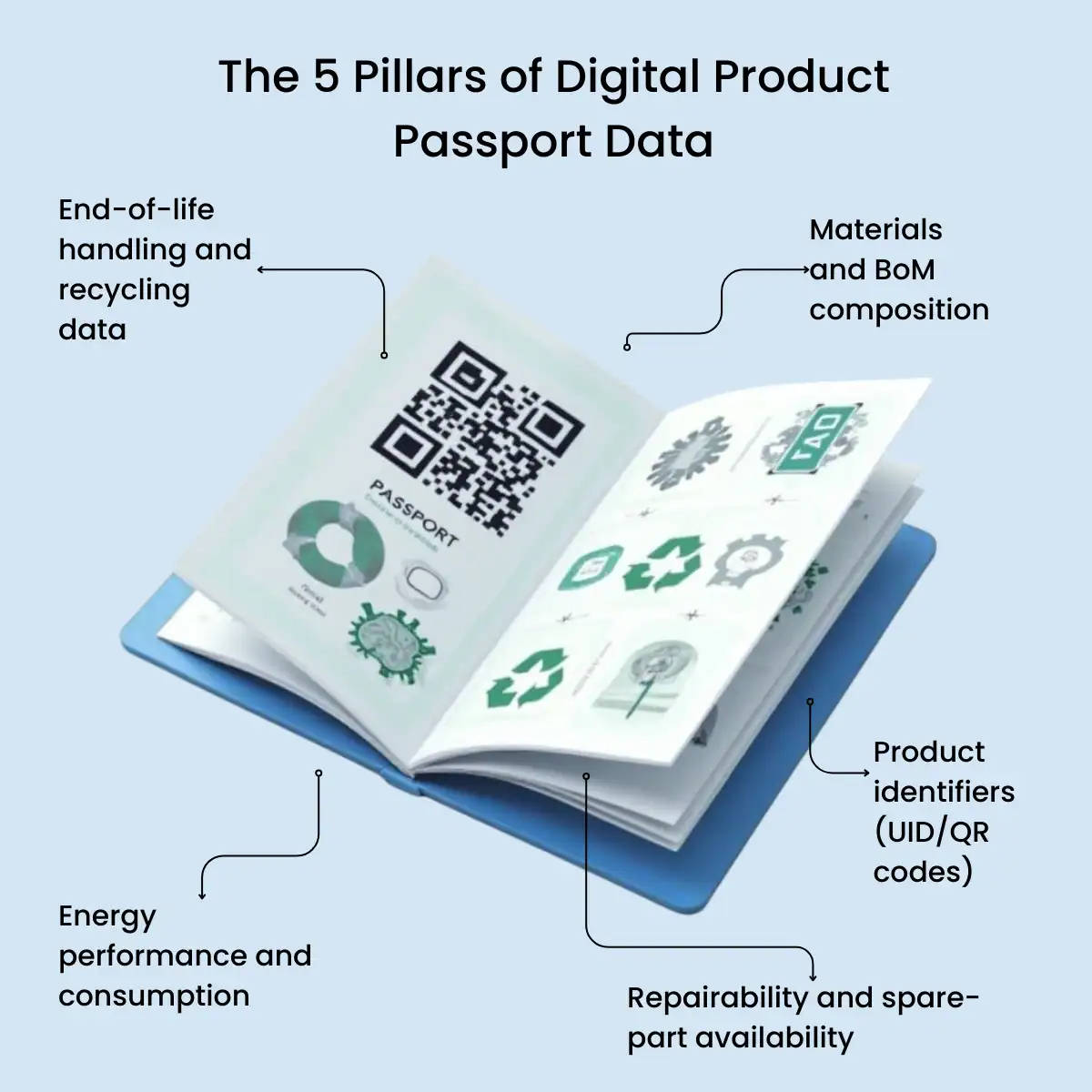
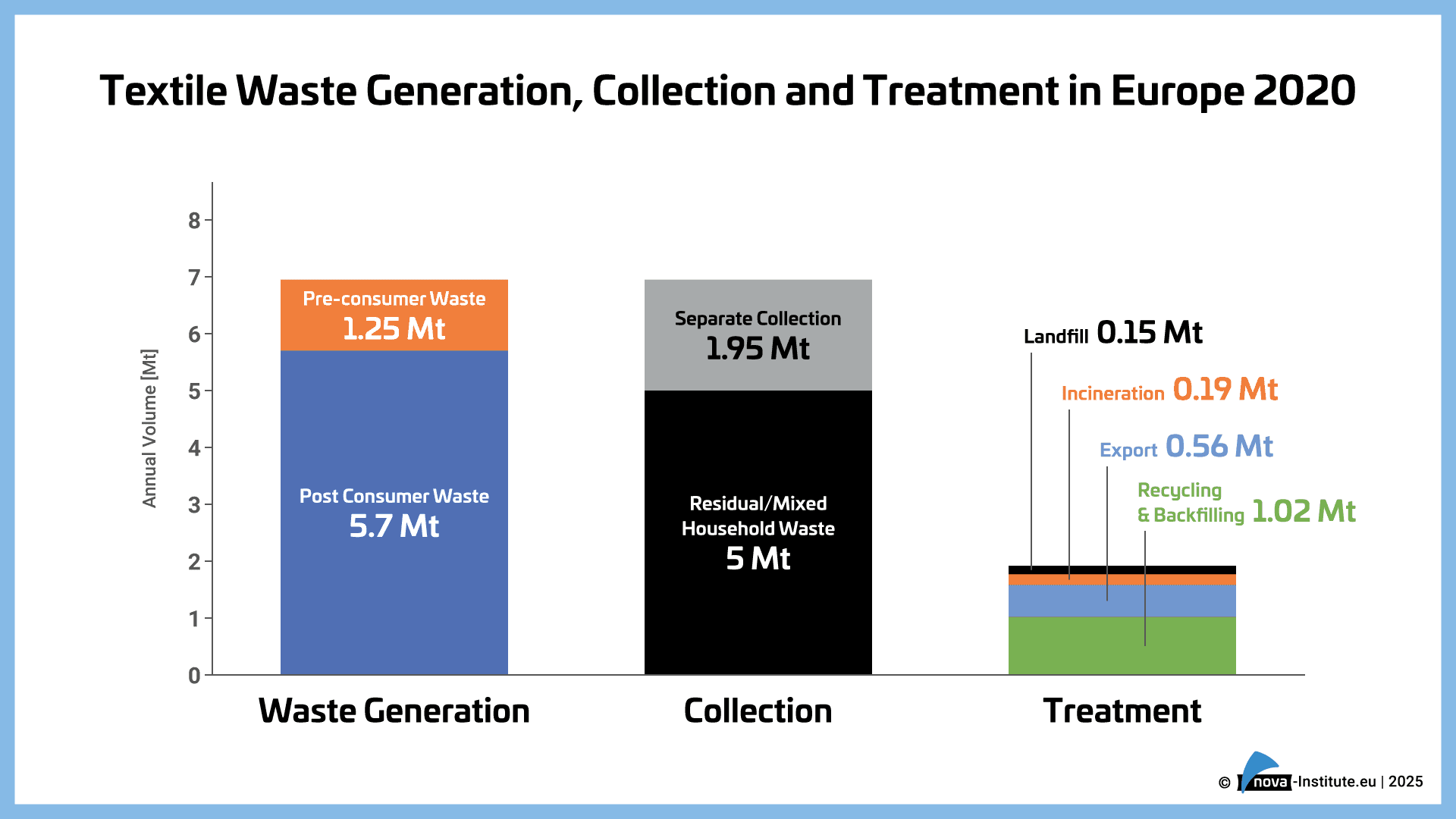
The regulatory backdrop is already moving. The EU’s Ecodesign for Sustainable Products Regulation entered into force in July 2024 and created the legal framework for digital product passports. The European Commission has said preparatory work for textiles has begun, and textiles are widely treated as one of the priority product groups under the regime. A 2024 European Parliament study said a textile DPP could improve traceability, circularity and transparency for producers, supply-chain tiers, regulatory authorities, sorters, recyclers and consumers.

That is why this pilot matters beyond the branding of sustainability. A supplier library that is genuinely DPP-ready could become a practical shortcut for material verification, especially for brands sourcing across markets and time zones. If it works, compliance stops being a late-stage scramble and becomes a buying criterion, which is exactly how industry standards harden.
This article was produced by Prism’s automated news system from verified source data, official records, and press releases, then run through automated quality and moderation checks before publishing. The system is built and supervised by the people who set the standards it runs under. Read our full AI policy.
Did this article answer your question?