Youngone scales Uzbekistan cotton-to-garment push amid labor concerns
Youngone is betting Uzbekistan’s cotton, yarn and garment chain can win Europe fast, but labor scrutiny still shadows every bale and stitch.
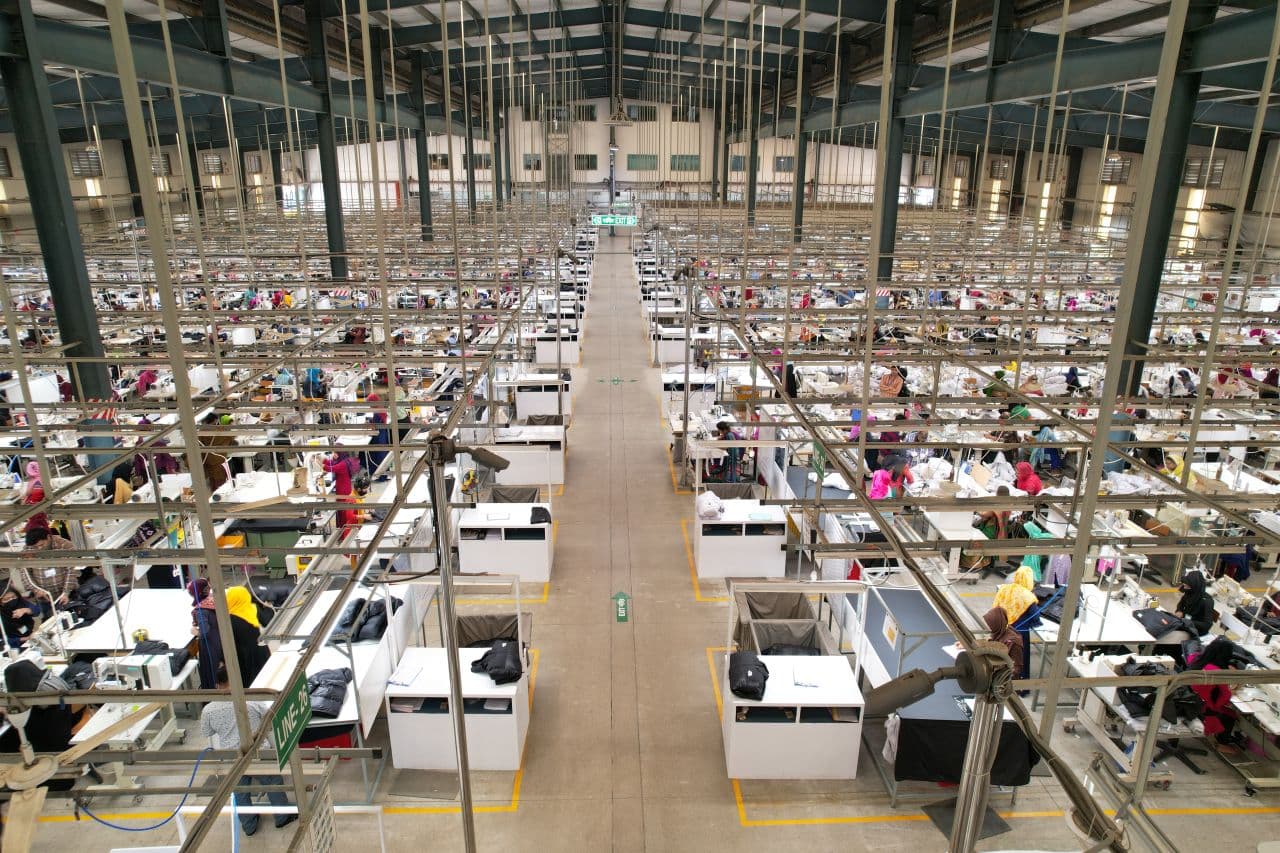
Youngone Corporation is deepening its Uzbekistan push with a vertically integrated line that would run from cotton yarn to finished garments. For a manufacturer trying to shorten supply chains, Uzbekistan offers an appealing mix of cotton, processing capacity and trade access, but the plan also puts the company squarely in a market where labor scrutiny has never really left the frame.
The European Commission’s GSP+ scheme gives eligible developing countries partial or full customs-duty removal on many tariff lines, and its Central Asia trade policy points to cotton fibre as one of the region’s main exports to the European Union. Youngone is building a chain that keeps more value on the ground in Uzbekistan, from spinning through garment-making, and to sell that as a sharper alternative to longer, more fragmented sourcing hubs.
The U.S. Department of Labor’s 2024 findings on Uzbekistan found only “moderate advancement” in efforts to eliminate the worst forms of child labor. The same assessment found it remains unclear whether labor inspections are taking place across all high-risk sectors, and that human rights and civil society organizations continue to face bureaucratic obstacles when trying to address labor concerns.
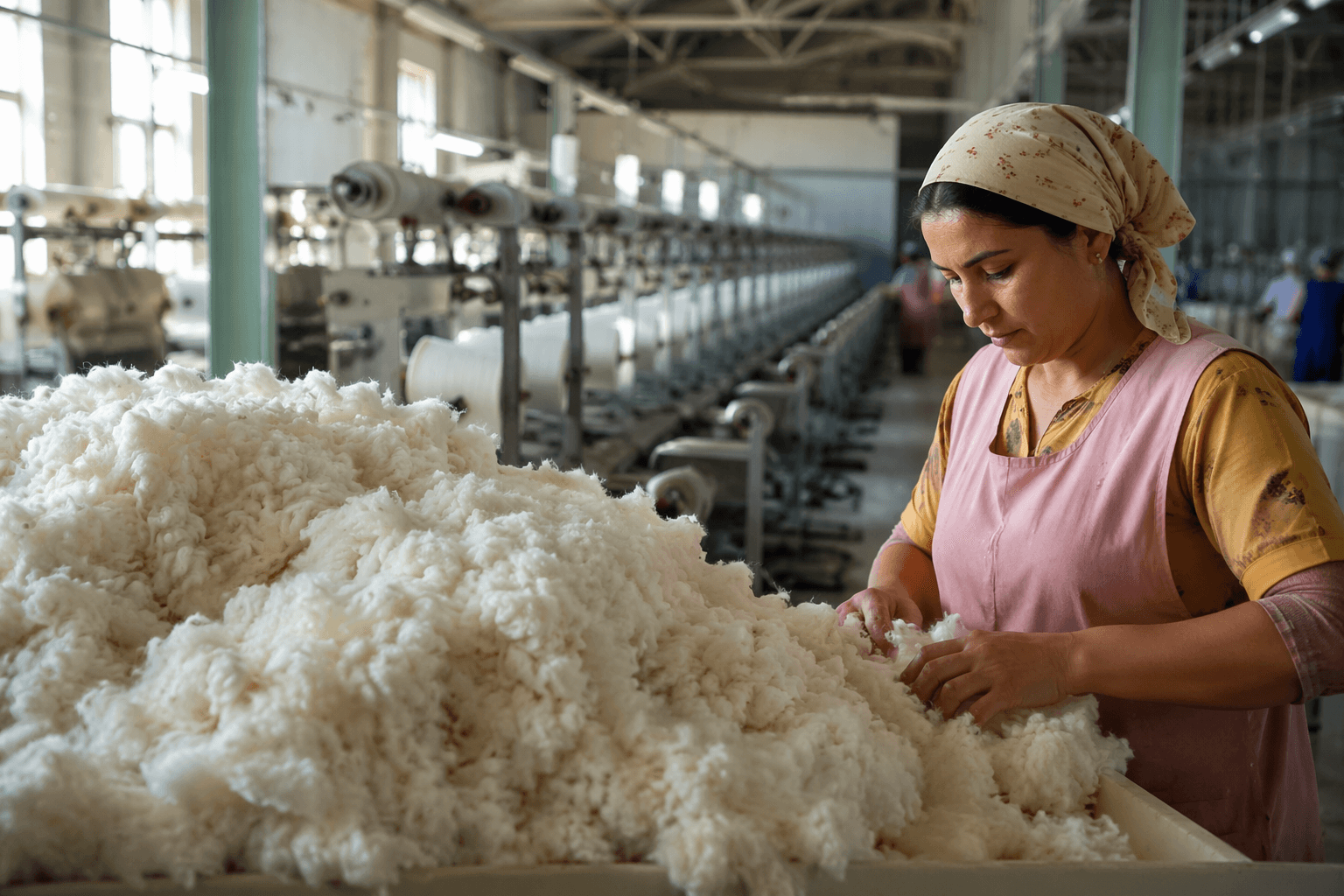
In April 2025, 89 civil society groups called on the International Finance Corporation and the European Bank for Reconstruction and Development to act on allegations of “severe and systemic violations” by cotton producer Indorama Agro in Uzbekistan. In February 2026, Human Rights Watch and the Uzbek Forum for Human Rights said the government was still violating the rights of cotton and wheat farmers through a “coercive state production system” backed by mandatory quotas and penalties.
In July 2025, Better Cotton said its Uzbekistan programme had made significant progress on due diligence and decent-work approaches in textile and garment factories, while the U.S. Department of Labor also listed steps including a presidential decree on poverty reduction and ratification of ILO Convention No. 155 on occupational safety and health.
This article was produced by Prism’s automated news system from verified source data, official records, and press releases, then run through automated quality and moderation checks before publishing. The system is built and supervised by the people who set the standards it runs under. Read our full AI policy.
Did this article answer your question?


