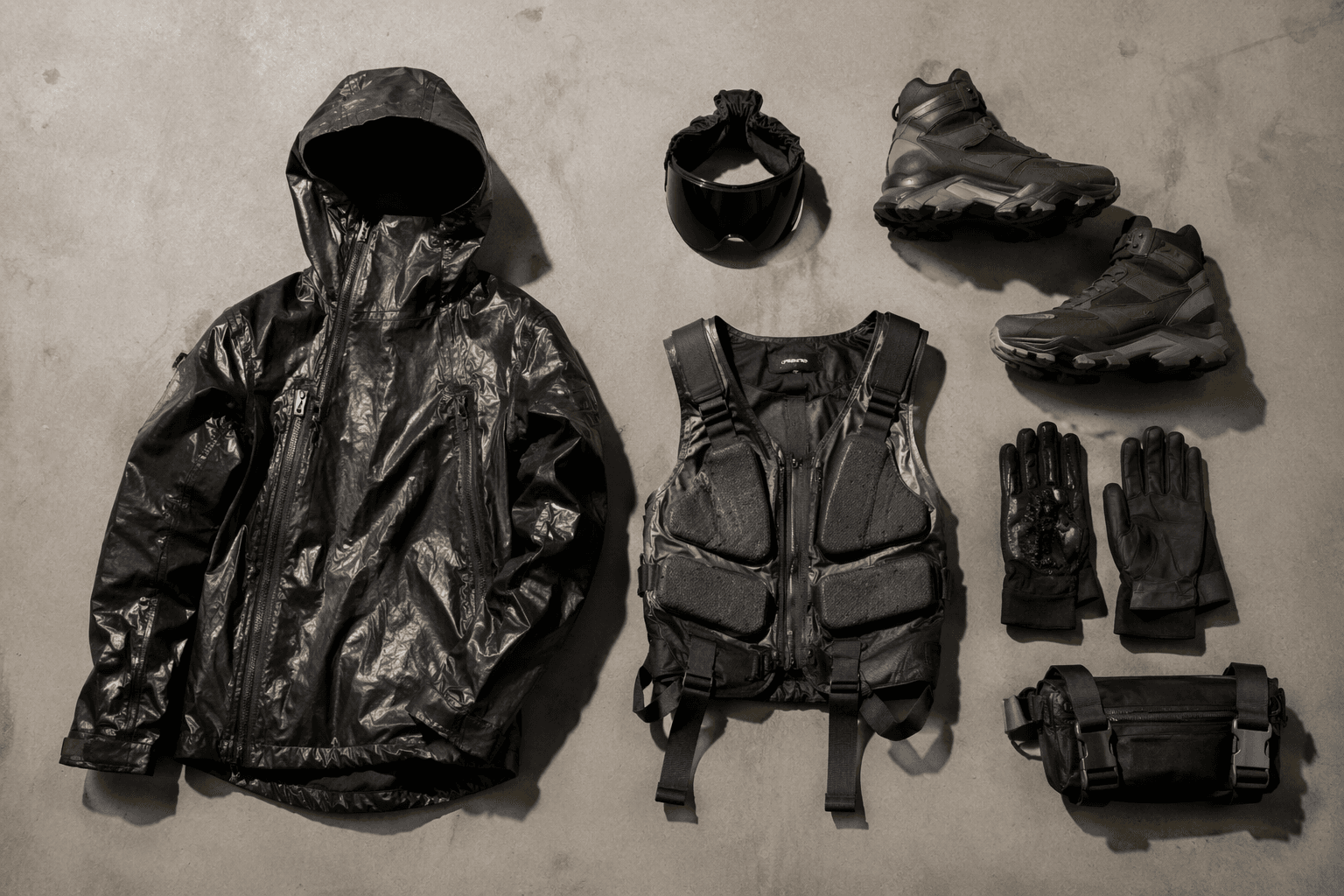
ATON redefines techwear with hand-dyed Japanese craft and polish
ATON takes techwear out of expedition mode and into the city, using Hokuriku-woven nylon and Arimatsu-Narumi dyeing to make utility pants feel sharp, soft, and expensive.
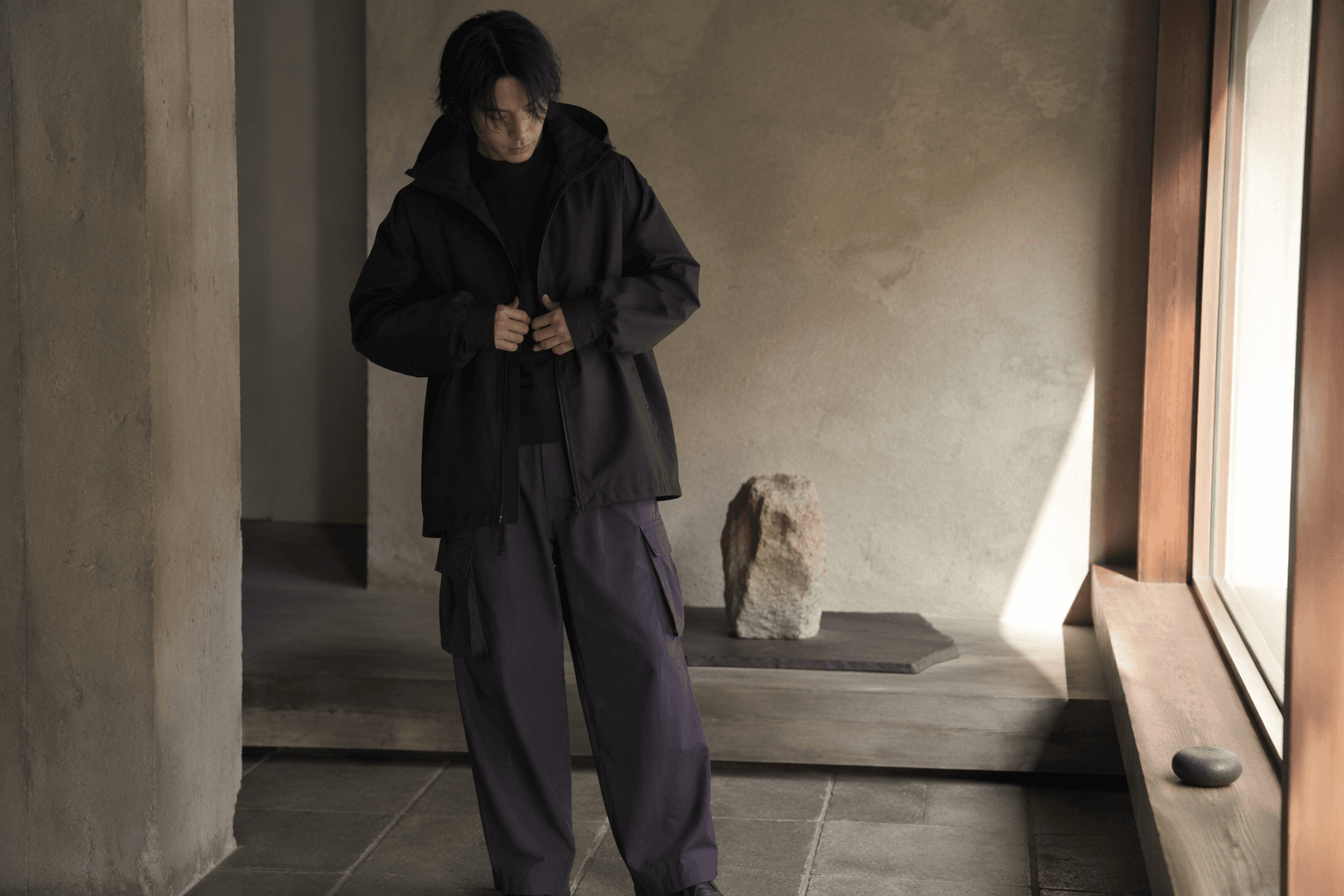
Narumi shibori dyeing gives ATON’s nylon utility pants a finish most outdoor clothing never gets. ATON is making a very clean argument: the next step for outdoor clothing is not louder hardware or more aggressive specs, but better taste. Its utility pieces keep the technical credibility, then soften the whole read with drape, hand finish, and a kind of controlled polish that feels made for sidewalks as much as weather.
A quieter, sharper idea of utility
A lot of techwear still gets trapped in the same visual loop, all shell fabric, pockets, toggles, and blackout aggression. ATON goes the other way. The brand’s outdoor pieces are built to look refined first, with function folded in so neatly that the garment never screams about its own performance.
Instead of reading like expedition gear, ATON’s nylon pieces land closer to a deliberate everyday uniform, the kind of item that can move from a train platform to a dinner reservation without losing its shape, or its point of view.
What ATON is actually building
ATON was founded in 2016 and is directed by Yasuharu Kuzaki. It is built around “real standards,” a phrase that tells you exactly where its head is at: comfort and luster, structure and lightness, utility and polish, all in the same frame. Even the name carries that attitude, coming from “A to N” to signal responsibility from raw material to finished garment.
The label also works across categories and for people of both genders, which helps explain why its pieces feel less like niche product and more like a wardrobe system. Its stated aim is to upgrade the conventional concept of “STANDARD,” and that mission shows up in the way its clothes are designed to be worn.
The utility pants, decoded
The Hand Dyed Nylon Utility Pants are the clearest expression of the brand’s point of view. They are based on a French military pants silhouette, which gives them that practical, slightly utilitarian backbone, but the shape is softened by an adjustable waist and drawcord hems that let you change the line of the leg. Pull them in and the silhouette tightens; leave them looser and the drape opens up.
The fabric is wrinkle-resistant, quick-drying, and easy care, and those are exactly the kinds of attributes that make the piece feel useful without looking clunky. On ATON’s product page, they are listed at ¥47,300, made in Japan in 100 percent nylon.
The nylon is woven in the Hokuriku region and then dyed by Narumi shibori artisans, so the pants carry both technical function and a visibly human touch. They are easy-care and packable, but also natural, delicate, and tactile, thanks to the hand dyeing and finishing.
Why the dyeing gives the clothes their edge
Arimatsu-Narumi shibori is a traditional Japanese tie-dye practice that dates back more than 400 years, to the early Edo period. It is still produced today in the Arimatsu area of Nagoya in Aichi Prefecture.
The surface is not just engineered, it is processed by hand through a tradition tied to the Tokaido route and preserved by artisans who keep the method alive. That history leaves a mark in the cloth: less glossy, less generic, more alive under light.
Why this lands in city wardrobes now
ATON’s move sits right at the intersection of Japanese craft preservation and the broader shift toward elevated technical clothing. The market has moved past pure performance fetishism. People still want weather resistance and ease, but they also want silhouettes that sit cleanly with loafers, sneakers, and tailored outerwear instead of fighting them.
The French military base gives them credibility. The Hokuriku-woven nylon gives them body. The Narumi hand dyeing gives them texture and nuance.
This article was produced by Prism’s automated news system from verified source data, official records, and press releases, then run through automated quality and moderation checks before publishing. The system is built and supervised by the people who set the standards it runs under. Read our full AI policy.
Did this article answer your question?