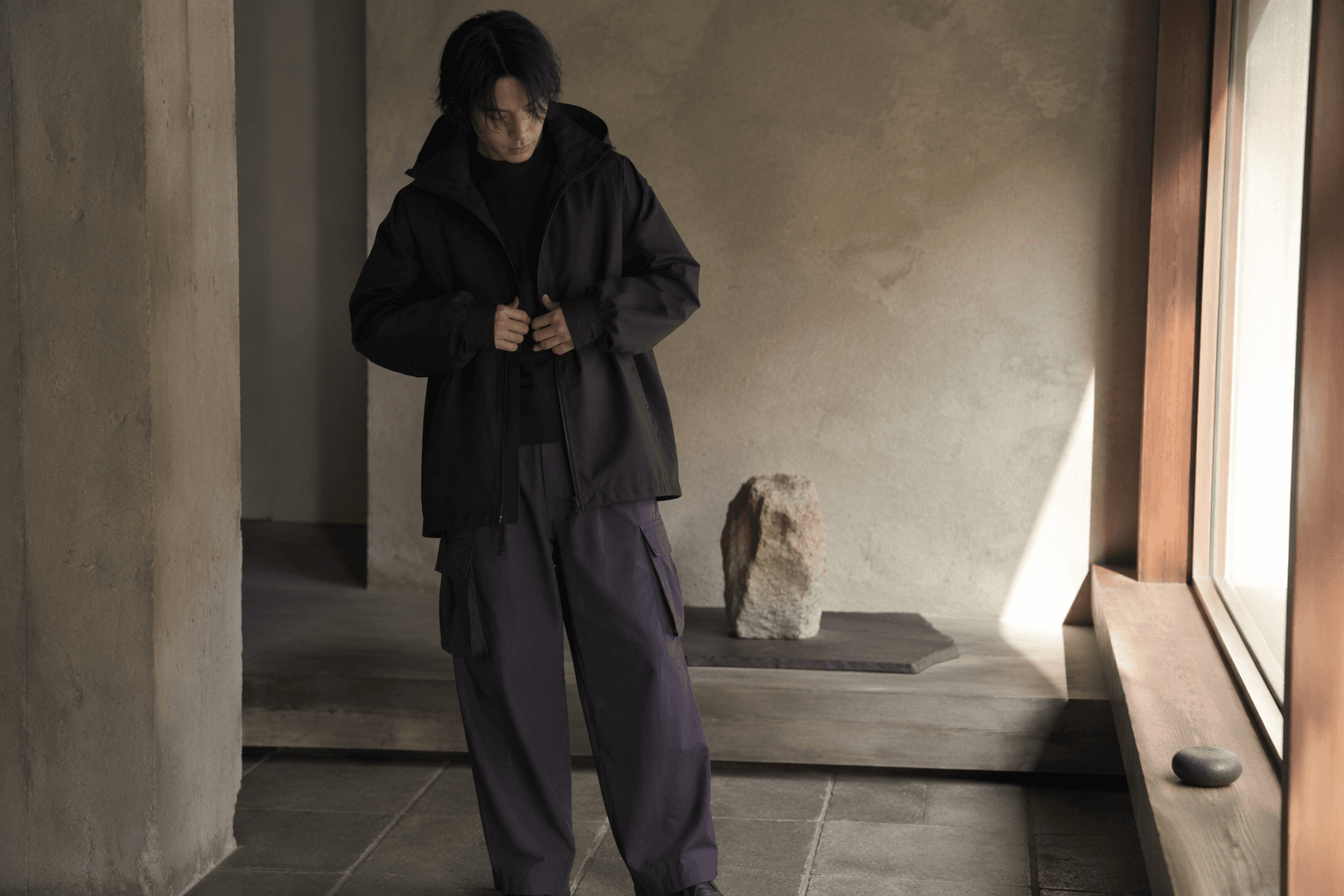
Rick Owens and Dior push techwear in Paris menswear shows
Paris menswear turned techwear into a real business proposition: Rick Owens made cooling hardware visible, while Dior translated engineering into refined surface play.
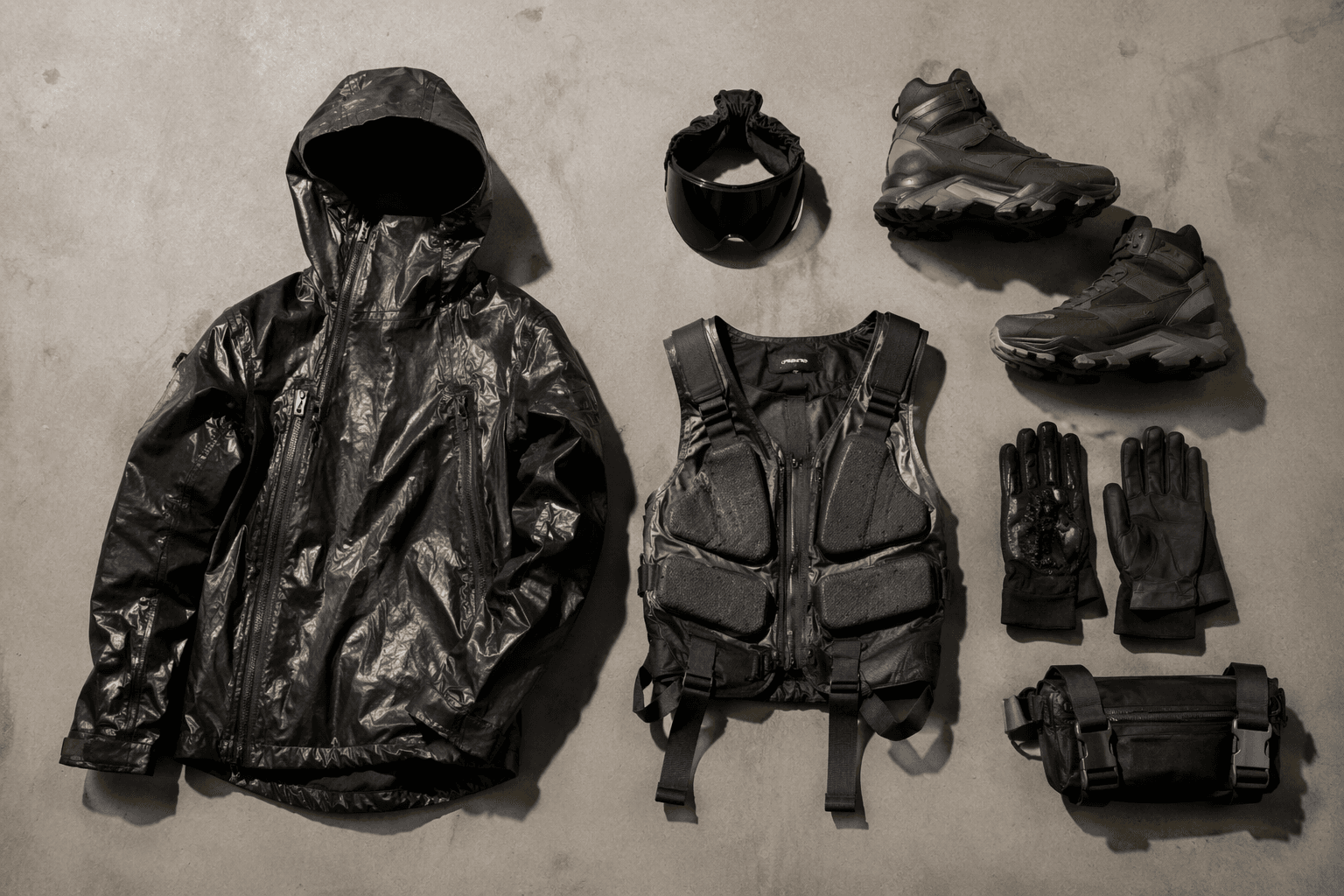
Rick Owens turned Paris Fashion Week into a climate experiment at the Palais de Tokyo, where his Spring/Summer 2027 menswear show, titled STONE, answered a severe Paris heatwave with fan-inflated adidas ClimaCool outerwear, shorts, and internal ice vests. Across the same menswear week, Dior took the opposite route, pushing techwear away from obvious gadgetry and into material illusion, surface manipulation, and the kind of controlled staging that makes craftsmanship feel newly charged.
Heat made the hardware believable
Rick Owens has always understood spectacle, but STONE made the weather itself part of the garment logic. Presented on June 25 and 26, 2026 at the Palais de Tokyo, the collection did not just reference heat, it dressed for it, with inflated jackets and shorts rigged with interior fans and paired with an ice vest. In a city sweltering under a severe heatwave, that was more than an aesthetic flourish. It made climate responsiveness look immediate, wearable, and commercially legible.
The adidas partnership sharpened that message. Owens and adidas had already worked together before their relationship ended in 2017, so the return landed as a reunion roughly a decade later rather than a novelty crossover. That history matters because techwear sells more confidently when it arrives with recognisable codes, and adidas gives Owens a performance vocabulary that shoppers already understand. The unreleased 2027 running shoe pushed the idea further, tying the runway fantasy to a product category with real market depth.
Rick Owens makes cooling visible
The most striking part of the Rick Owens show was not simply that the clothes were climate-adaptive, but that they looked climate-adaptive. Fans were built into the garments, the jackets and shorts visibly inflated, and the ice vest introduced the kind of bodily intervention usually hidden beneath outerwear. That visibility is the key shift in techwear right now: the technology no longer needs to disappear into the design. It can sit on the surface and still feel desirable.
That approach gives Owens a lane that is both theatrical and practical. A jacket that moves air around the body reads as a concept piece in photographs, but it also speaks directly to the way people actually dress in a hotter urban summer. The commercial promise is clear: performance details no longer have to be framed as niche utility. When they are styled with Owens' severity, they become luxury signifiers in their own right.
Dior's engineering is quieter, but no less sharp
If Rick Owens made techwear loud, Dior made it subtle. Jonathan Anderson's menswear era at the house has leaned into material replication and surface manipulation rather than conventional textile construction, and that shift is visible in the way the brand stages its collections. The Summer 2026 show was modeled on the velvet-lined interiors of Berlin's Gemäldegalerie and framed by Jean Siméon Chardin paintings, a setting that put texture, restraint, and close looking at the center of the experience.
That is an elegant way to talk about innovation without reaching for hardware. Dior's own language keeps circling the idea of savoir-faire, tradition, and innovation, and Anderson's first menswear show for the house at the Hôtel National des Invalides in Paris reinforced that balance. The audience sat notably close to the runway, which made the finishes feel intimate and technical at once. When the clothes are built around surface, distance matters less than the ability to see how the surface behaves.
The commercial future of techwear looks split in two
The season's most useful lesson is that techwear is no longer one thing. Rick Owens is proving that visible cooling systems, inflated construction, and performance footwear can turn weather into fashion narrative. Dior is proving that engineering can be optical, built into the way a garment catches light, references art, or redefines what a textile is supposed to look like. Both approaches matter because they answer different shopping instincts: one wants relief you can see, the other wants refinement that feels constructed.
Saint Laurent's place in the same Paris menswear conversation only underlined how broad the appetite has become for pared-back staging and controlled presentation. But the strongest signals came from the two houses leaning most decisively into technique. Owens showed that climate-adaptive clothing can be dramatic enough for fashion week and practical enough for real demand. Dior showed that the next phase of techwear does not have to announce itself with gadgets to feel engineered.
That is where the category is heading: toward clothes that either visibly solve the weather or silently rewire how luxury surfaces are made to behave.
This article was produced by Prism’s automated news system from verified source data, official records, and press releases, then run through automated quality and moderation checks before publishing. The system is built and supervised by the people who set the standards it runs under. Read our full AI policy.
Did this article answer your question?