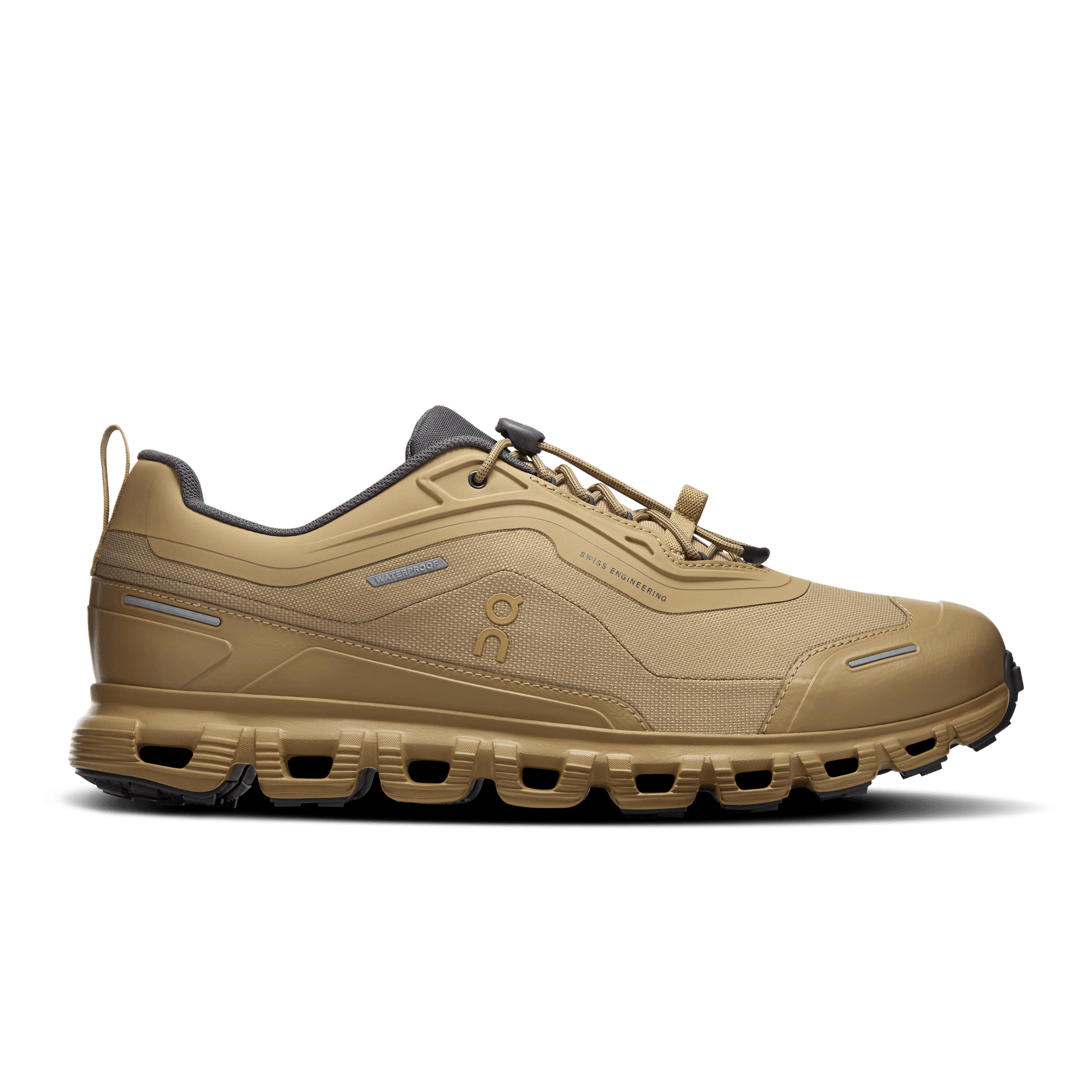
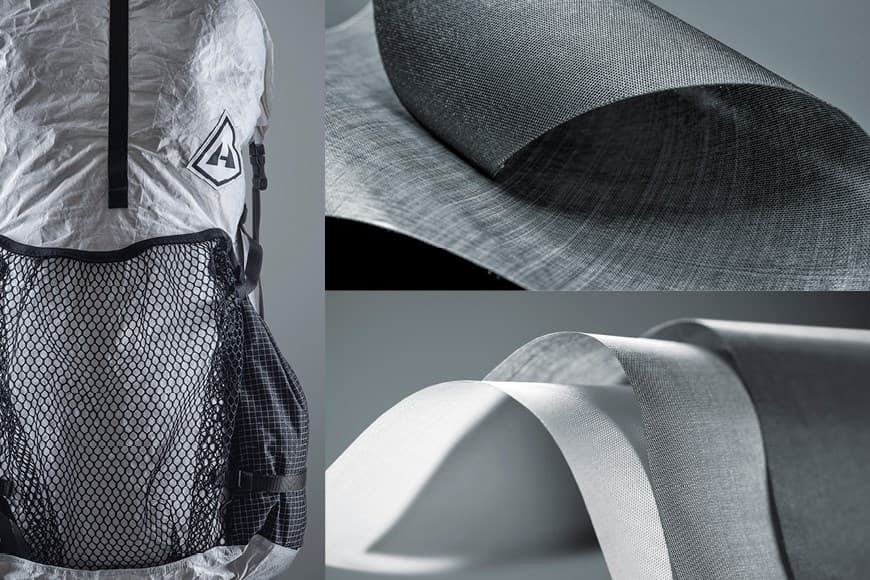
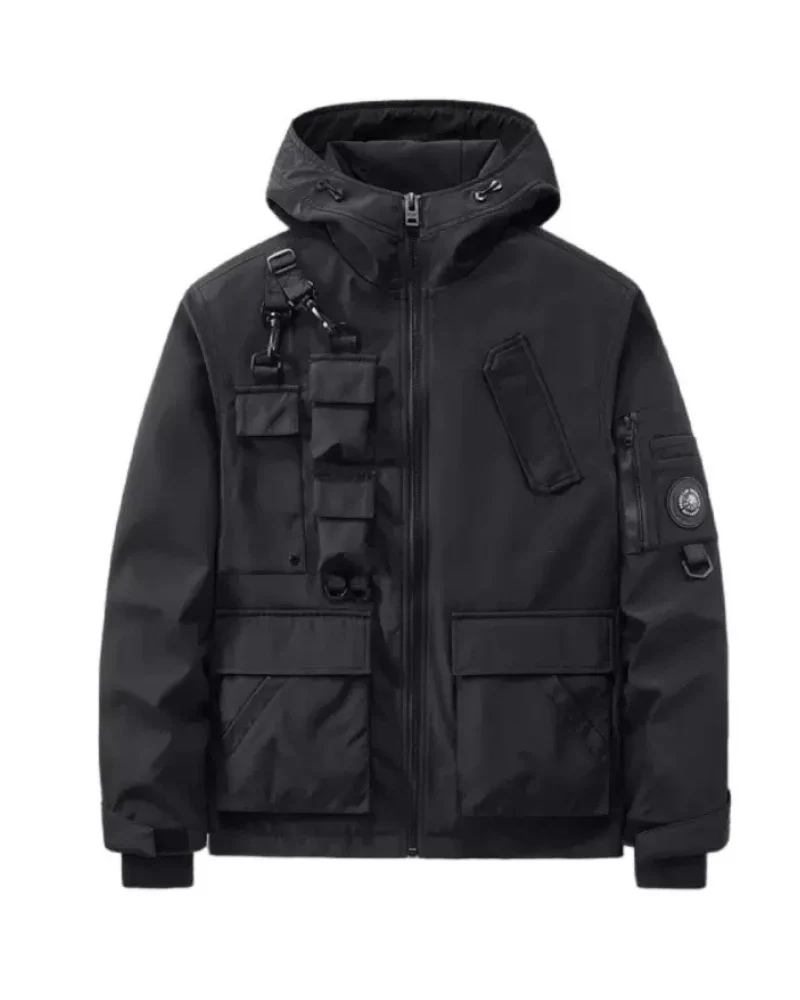
Techwear fabrics decoded, what performance materials really do
The real techwear difference lives in the fabric. GORE-TEX, nylon and neoprene each change weather protection, comfort and upkeep in very different ways.
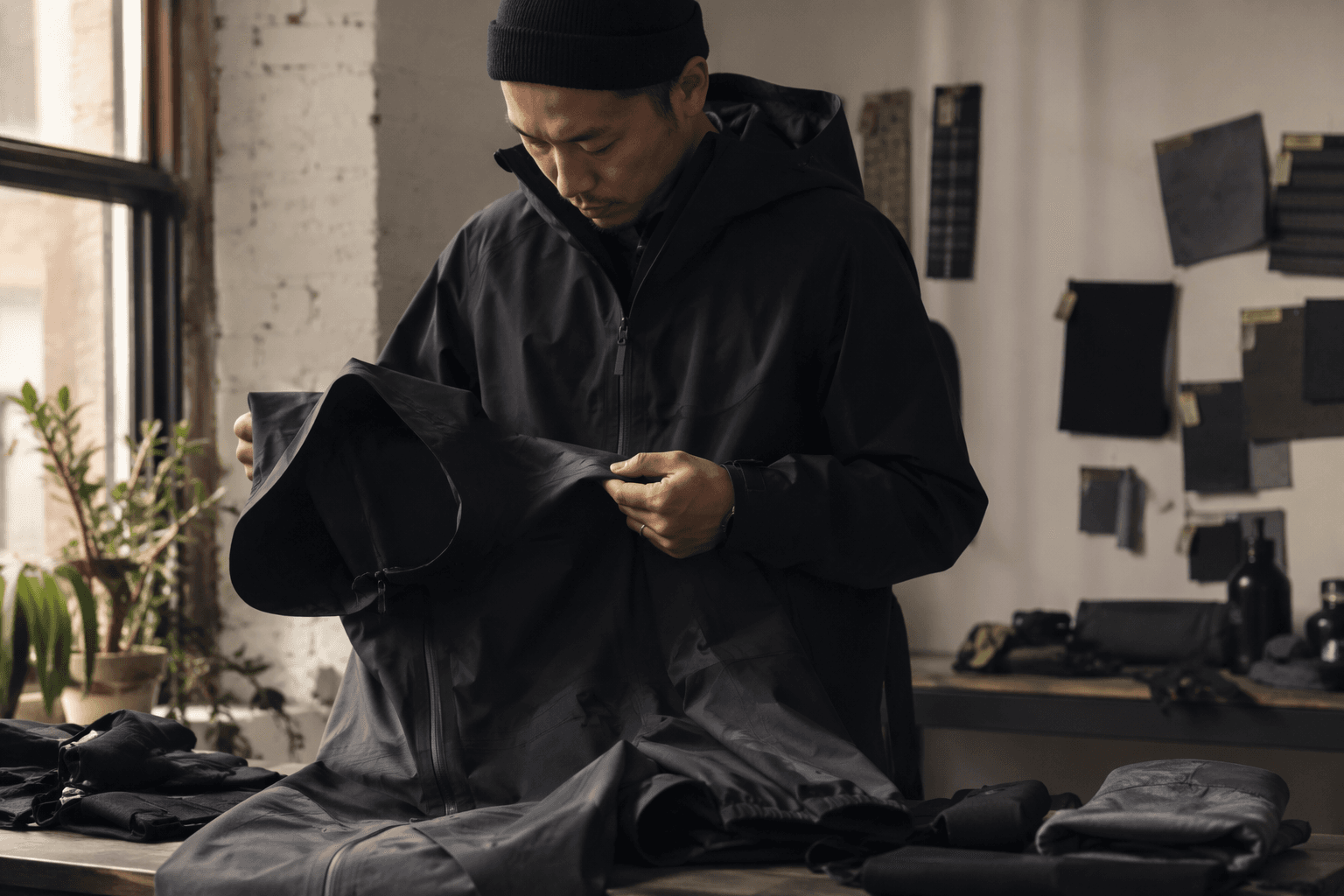
A crisp bonded seam, a slick matte shell, and water beading on the surface tell you whether techwear earns its place in a wardrobe: fabric and finish. Those details decide whether a piece shrugs off rain, moves with your body, or just performs the idea of performance.
The material test
Techwear shopping gets easier when you stop reading the silhouette first and start reading the cloth. The category’s material vocabulary is built around membranes, shells, treated textiles, performance blends, abrasion resistance, breathability and weatherproofing, and those words are not interchangeable. A jacket meant to repel rain will feel different from one cut to move easily or dry fast, and that difference changes how you wear it on an ordinary Tuesday.
GORE-TEX is the reference point for a reason
GORE-TEX became shorthand because its story is rooted in an actual material breakthrough, not a mood board. The history starts in 1958, when Wilbert Gore saw a market opportunity for PTFE. In 1969 his son Robert W. Gore discovered expanded PTFE, or ePTFE, the material that became the cornerstone of the brand’s waterproof-breathable textiles. Robert W. Gore, who lived from April 15, 1937 to September 17, 2020, is the name behind a fabric language that still shapes how technical outerwear is discussed.
GORE-TEX is not just about keeping water out. The brand is now celebrating 50 years of innovation, and its Pro garments are made for extreme conditions and the most demanding activities. If your life includes hard rain, commuting on a packed train, or all-day exposure, that is the tier of construction built for it.
DWR is the finish that keeps the shell alive
Durable Water Repellent, or DWR, is the treatment applied to most GORE-TEX products, and it is the finish that turns technical cloth into practical outerwear. GORE-TEX care guidance reduces the maintenance philosophy to three words: “Wash. Care. Reactivate.” Performance is not locked in when you buy the jacket; it depends on how you maintain it.
Maintaining DWR can make gear last even longer, and well-cared-for garments will protect you better and last longer. Once water stops beading on the face fabric, the shell no longer feels as alive in wet weather. Cleaning the garment properly, reactivating the finish, and reproofing when the repellency fades keep a good shell from becoming an expensive rain-soaked compromise.
Nylon is the workhorse, neoprene is the sculptor
Nylon, neoprene and GORE-TEX are the materials shoppers actually encounter most often. Nylon is the backbone of a lot of outerwear because it takes abrasion well, handles daily contact with straps and bags, and can be woven into light shells that feel fast rather than bulky. In outerwear construction, nylon often forms the outer face fabric, which is why it shows up so often in jackets that are meant to move between weather and city life.
Neoprene plays a different role. It gives shape, thickness and a denser hand, so it tends to create a more structured silhouette than a thin rain shell. That makes it useful when the goal is form as much as function, but it also means it is less about all-day storm protection and more about temperature, fit and visual weight.
When technical blends earn their keep
Performance blends sit between the utility of a shell and the comfort of everyday clothing. They can be the most wearable choice when you want less crinkle, more drape, or a softer feel against the body, especially if your commute does not justify a full alpine-grade jacket. They also explain why some techwear pieces are reserved for very high-end or experimental garments: the fabric itself is part of the design language, not just the surface.
If you need weather protection first, look for a membrane or a properly treated shell. If you need mobility and lightness, nylon-heavy pieces usually make more sense. If you want a more sculptural, body-conscious shape, neoprene and hybrid blends do that work better than a conventional shell.
How to choose for climate, use case and budget
No fabric does everything, and no fabric is 100 percent waterproof under enough pressure. The real question is not whether something is technically impressive, but whether it is waterproof enough for your climate and balanced enough for your day.
Use this as a practical filter:
- Wet, windy city weather: choose a breathable shell with a proven waterproof-breathable membrane, especially if you wear it over tailoring or layered knits.
- Heavy rain, travel, exposed commutes: pay for stronger weatherproofing and a more robust shell, because here the difference between “looks technical” and “is technical” is immediate.
- Movement and everyday comfort: lighter nylon and performance blends often wear easier, dry faster and feel less armored.
- Sculptural fit or fashion-led styling: neoprene and hybrid constructions give you shape, but they ask you to sacrifice some breathability and all-weather versatility.
Budget follows that logic. GORE-TEX Pro belongs in the expensive end of the market because it is built for extreme conditions and demanding activity. For most wardrobes, a well-made nylon shell with a durable finish will cover more actual days in the year than a showier piece.
Keep the performance in the closet, not just on the hanger
Maintenance is what separates a collectible shell from a usable one. The GORE-TEX care guidance makes the point plainly: wash the garment properly, care for it consistently, and reactivate the finish so the water repellency can do its job. A dirty shell can lose the crisp, dry hand that makes technical outerwear feel precise.
Storage matters too, even when a garment is technically finished for the season. Keep technical pieces clean and fully dry before putting them away, and avoid leaving them compressed for months, especially if the fabric relies on a treated surface or a bonded structure. Proper care preserves the finish and the drape.
This article was produced by Prism’s automated news system from verified source data, official records, and press releases, then run through automated quality and moderation checks before publishing. The system is built and supervised by the people who set the standards it runs under. Read our full AI policy.
Did this article answer your question?